In real rooms

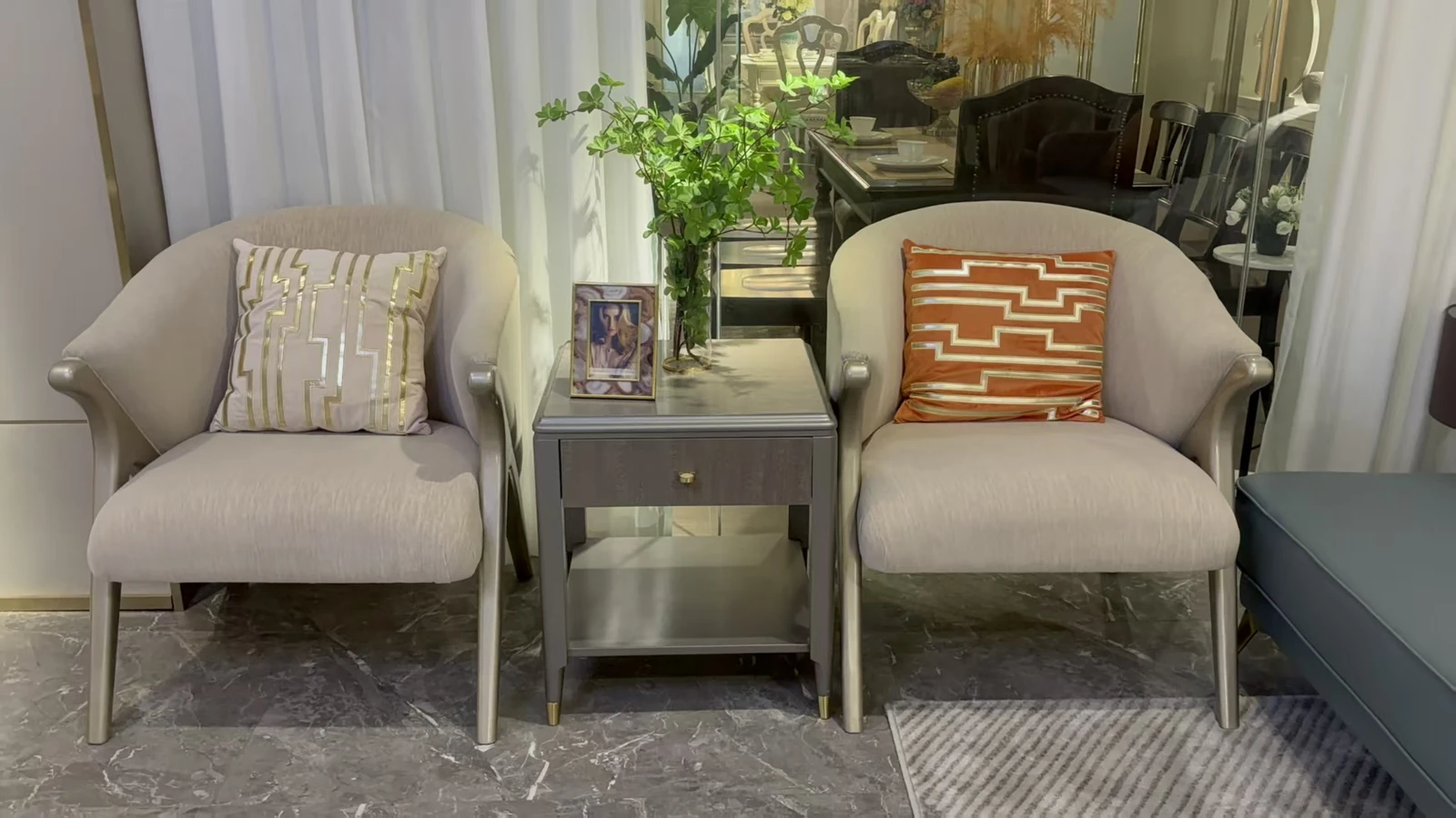

Navigate the world of marble furniture with confidence—from first measurement to final installation in your Singapore home.
Whether you're refreshing a compact condo or curating a luxury penthouse, our expert guides break down sourcing, styling, and long-term care for every marble piece you bring indoors.
Before purchasing marble furniture, accurately measure your intended space, accounting for walkways and doorframes. Compare slabs closely: check that veining patterns are consistent across pieces and that edges are smoothly polished or honed without chips. Ask suppliers about the stone’s origin, whether it has been sealed against stains, and how often resealing is recommended. Inspect joints and legs for stability, and request sample swatches to see how the marble looks under your home’s lighting. Prioritise suppliers who provide clear care instructions and warranty details, ensuring your investment remains beautiful and durable for years.
Genuine marble such as Carrara, Travertine, or Malaysian white marble is dense and low-porous, resisting stains better than softer, heavily veined varieties that crack under humidity. Look for pieces where slabs are at least 2cm thick and joined with colour-matched epoxy rather than visible glue lines. The frame or base should anchor the stone with stainless-steel or brass brackets, not plastic clips. In humid Southeast Asian climates and Japanese seasonal shifts, poorly sealed marble will dull within months. Warning signs include surface cloudiness, loose joints, uneven veining that suggests composite material, and bases made of untreated wood that swells. Always ask for the marble origin and whether a penetrating sealer was applied before shipment.
Marble may look the same everywhere, but the furniture it suits does not. In Singapore and Malaysia, high humidity demands denser, better-sealed slabs for coffee tables and sideboards; unsealed Carrara will etch within weeks from condensation and spilled drinks. Thailand’s even hotter climate calls for similarly sealed pieces, but with darker, heat-resistant finishes that hide the dust and foot traffic of open-plan living. Japan and Korea, with drier winters and heated interiors, can accommodate lighter veined marble on dining tables without rapid staining—yet compact homes mean smaller-scale pieces like console tables and vanity tops rather than large statement slabs. Across all five markets, thickness matters: thinner slabs crack more easily in homes with uneven flooring or frequent temperature shifts. Choose marble by room function and local humidity, not just by colour.
The most frequent pre‑purchase questions focus on practical care and suitability: Does marble stain or etch from spills? How often must it be sealed? Will humidity or temperature changes affect it in my home? Is it too porous for kitchens or bathrooms? Buyers also ask about weight and installation—marble tables and counters are heavy and require reinforced supports. They want to know whether the slab is from a reputable quarry and how veining patterns vary, since natural stone means no two pieces match exactly. Finally, many ask about long‑term maintenance: which cleaners are safe, how to remove minor scratches, and whether professional honing or polishing is needed over time. Answers are straightforward—seal regularly, avoid acidic spills, and expect unique variations.
Marble furniture is a practical choice for homes in Singapore, Malaysia and Thailand, where warm climates dominate. Stone stays cool to the touch, which makes marble tables and side pieces comfortably usable year-round without the warmth retention of wood or MDF. These markets also favour materials that age gracefully—marble develops a subtle patina over time rather than showing wear in obvious ways. For compact urban apartments common in these cities, a single marble coffee table or console can anchor a room without needing additional decorative pieces, reducing clutter while adding visual weight that reads as intentional. Maintenance is straightforward: sealing once a year protects against spills, and routine cleaning requires only mild soap and water. Unlike lacquered surfaces that scratch or laminate that peels, marble damage is often repairable by a local stone polisher. This durability at a reasonable upkeep level makes it a sound long-term investment for homeowners across the region.
Before investing in marble furniture, start by comparing the stone type itself. Carrara, Calacatta, and travertine each have different hardness levels and veining patterns, which affect both appearance and durability. Ask suppliers for the exact origin of the marble — Italian, Turkish, and Vietnamese stones behave very differently under humid tropical conditions common in Singapore, Malaysia, and Thailand. Check the finish: polished surfaces show scratches more easily, while honed finishes hide wear better in busy households. Verify thickness — tabletops should be at least two centimetres thick to prevent cracking. Compare sealant quality, as untreated marble stains quickly from spills. Lastly, review warranty terms and after-sales care guidance, since proper maintenance varies significantly by marble type.
Not all marble is the same. Carrara and Calacatta are softer and more porous, meaning they stain and etch more easily than harder stones like Sahara Noir or Statuario. The real question is how the slab is assembled. Look for pieces where the top is carved from a single thick slab rather than built from thin veneer strips glued together—laminate edges chip and separate over time. Check whether the base or legs are anchored with metal inserts and epoxy rather than surface adhesive alone, since marble is heavy and the joint takes constant stress. Also pay attention to whether the stone has been resin-treated during fabrication; this fills microscopic cracks and significantly reduces staining. Finally, a properly finished edge—polished or antiqued rather than raw—slows wear at the points where your hands and objects make contact every day.
One frequent error is choosing marble for high-heat areas without considering its sensitivity. Placing hot pans or drinks directly on marble can cause burns and etching within minutes. Always use trivets and coasters as a basic habit. Another mistake is ignoring the difference between polished and honed finishes—polished marble shows every spill and scratch far more visibly, making it impractical for households with young children or frequent entertaining. In humid climates like Singapore and Malaysia, ensure the marble is properly sealed upon delivery; an unsealed surface will absorb moisture and develop stains quickly. Buyers also often overlook the weight implications. A solid marble dining table can weigh over two hundred kilograms, so verify your floor can support it before purchasing. Finally, inspect each slab for natural veining variations and confirm they align with your design intent, as expectations of uniformity across multiple pieces rarely match reality.
Marble is a porous natural stone, and high humidity can worsen moisture absorption, leading to etching, staining, or surface dullness. In tropical cities like Singapore, Kuala Lumpur, Bangkok, or Seoul, keep marble furniture away from direct sunlight and exterior walls where condensation forms. Wipe spills immediately with a soft damp cloth and dry thoroughly—never let water sit on the surface. Use coasters under glasses and trivets under hot dishes. Clean with a pH-neutral stone cleaner only; avoid vinegar, lemon juice, or abrasive pads, which accelerate etching. Re-seal your marble every six to twelve months with a penetrating sealer designed for natural stone, and test the seal by sprinkling a few drops of water—if it darkens the stone quickly, it is time to re-seal. Place felt pads under decorative objects to prevent scratches, and maintain indoor humidity between 40 and 55 percent using dehumidifiers or air conditioning when possible.
Want the longer version? Browse all buying guides for this category.
Answers to what Singapore buyers ask most