Maintaining Marble Furniture in Singapore's Climate
I still remember the first time a customer in Tampines called me about a dining table that had gone cloudy after just eight months. She had chosen a high-gloss lacquered piece in cream white, placed it near her sliding balcony door, and run the air-con at 24 degrees only in the evenings. The culprit was not the lacquer itself — it was the daily swing between 28 degrees Celsius outdoor humidity at 9 a.m. and the drier indoor air once the compressor kicked in. If you live in a Singapore HDB flat or a Punggol condo, you already know this story: your furniture fights the weather every single day. This guide is written for owners of lacquered marble furniture, lacquered solid wood pieces, and sealed natural-stone tables who want their finishes to look as good in year five as they did on delivery day.
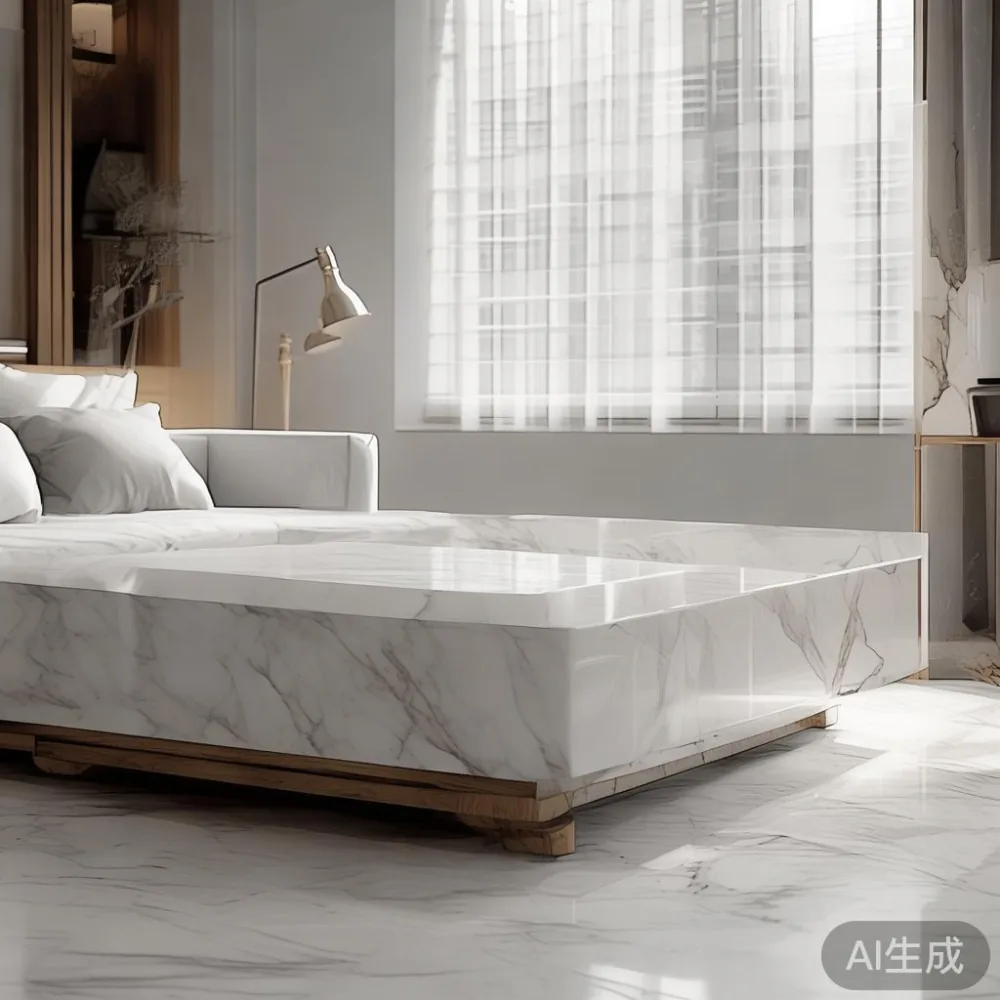
Why does lacquered marble furniture struggle so much in Singapore?
Singapore sits one degree north of the equator. Outdoor relative humidity rarely drops below 65 percent, and indoor humidity in a non-air-conditioned space can sit between 75 and 85 percent for hours. Lacquer is a film finish: a thin, hard skin of polyurethane or acid-cured resin bonded to the substrate. That skin is breathable at a microscopic level, but it reacts to three things in our climate more than in any temperate market.
First, moisture. A nitrocellulose or PU lacquer expands and contracts with moisture exchange. When a Bedok flat owner opens the windows for cross-ventilation during a thunderstorm, the table absorbs water vapour, then releases it when the air-con comes on at 22 degrees. Over 200 to 300 cycles a year, micro-cracks appear in the topcoat. Those cracks are where grey haze starts.
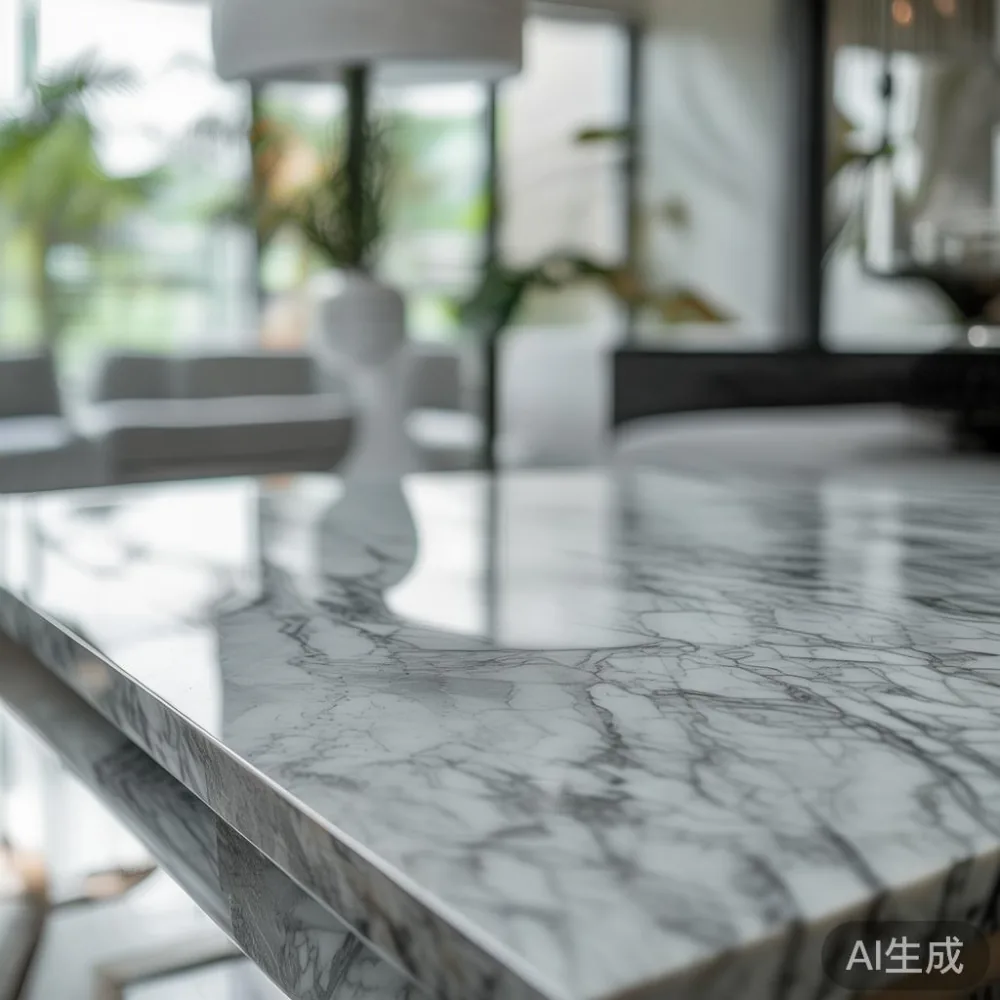
Second, UV. Our morning sun is intense even through low-E glass. UV breaks the polymer chains in clear lacquer, causing yellowing within 12 to 18 months on light-toned pieces. A white lacquered marble table will turn ivory, then cream, then a faint beige if left in a west-facing corridor.
Third, salt. Singapore is an island. Airborne chlorides settle on every horizontal surface within 6 to 8 km of the coast, which means basically every condo from Sentosa to Punggol. Salt crystals draw moisture and hold it against the finish, which accelerates the micro-cracking cycle I described above.
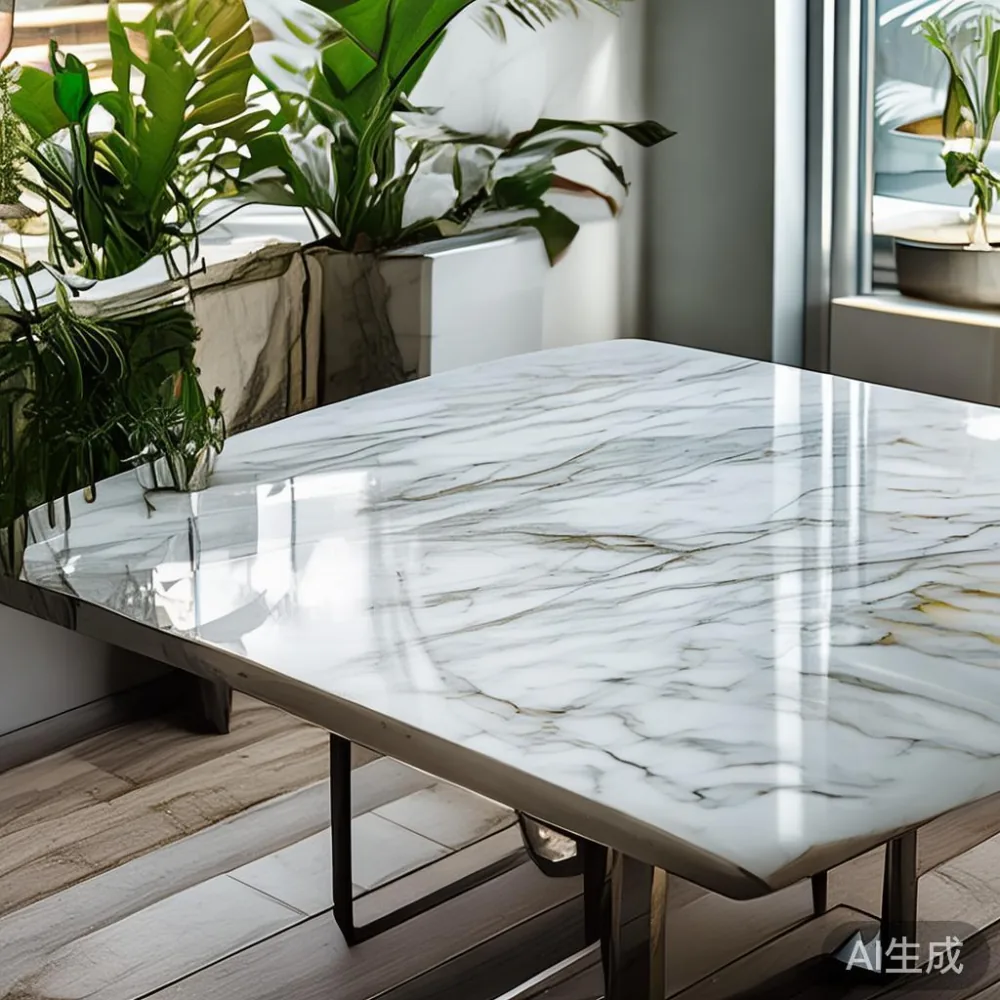
A solid wood sofa frame with a lacquered arm, a lacquered dining table, a sealed wardrobe door, and a marble table with a polished resin top all share this vulnerability. The substrate may be different — oak, ash, walnut, MDF, or stone — but the film on top behaves the same way.
What is the right room condition for lacquered pieces in an HDB or condo?
You cannot control the outdoor climate, but you can control the microclimate inside your unit. Aim for a stable 22 to 26 degrees Celsius and 50 to 60 percent relative humidity, measured at table height with a SGD 12 thermo-hygrometer from any neighbourhood shop in Tampines Mart. Avoid the temptation to run the air-con at 18 degrees; the wider the gap between indoor and outdoor, the harder the lacquer has to work.
For a typical 4-room HDB flat of 90 sqm, a single 9,000 BTU split unit running from 10 a.m. to 10 p.m. will keep humidity in range. If you own a 120 sqm Punggol condo with floor-to-ceiling windows, consider a small ceiling cassette or two ceiling fans on low. Ceiling fans are cheaper to run — about SGD 15 a month versus SGD 60 to SGD 90 for an oversized air-con — and they keep air moving across the lacquered surface, which prevents moisture from settling.
Position matters too. Keep lacquered marble furniture at least 80 cm away from any window that receives direct afternoon sun. If your dining table must sit closer to the balcony, hang a 90 percent blackout sheer (SGD 18 per metre at IMM or Vivo) to filter UV without darkening the room.
How should you clean a lacquered marble table or dining table every week?
Dust is the enemy of gloss. In Singapore, a surface left untouched for 72 hours will show a grey film that is mostly textile fibre, skin cells, and salt. Wipe daily with a dry microfibre cloth of 300 to 400 GSM, the kind sold in 3-packs for SGD 9.90 at any supermarket. A heavier wipe-down twice a week with a barely damp cloth is enough; never spray cleaner directly onto the lacquer.
For a weekly clean, use a pH-neutral soap diluted at 1:200 with distilled water. Distilled water is important — Singapore tap water averages 180 mg/L of total dissolved solids, and those minerals leave a dulling residue on high-gloss lacquer within four to six wipes. A 5-litre bottle of distilled water costs SGD 3.50 at FairPrice and will last a household of four about six weeks.
Wipe in straight lines with the grain of any underlying wood, or in slow circles on a marble table. Dry with a second microfibre cloth before the surface goes matte. If you see water beads sitting on the lacquer after 10 seconds, your finish has lost its beading — that is the signal to book a professional re-coat, not to add more wax.
What products and habits should you avoid on a French light luxury lacquered finish?
French light luxury tends to use very high-gloss, mirror-like lacquers with a 95+ gloss reading at 60 degrees. These finishes show every fingerprint and every chemical insult. Never use silicone polishes, citrus oils, or any product containing d-limonene. The orange-oil spray your mother used on her teak sideboard will soften a French light luxury lacquer within minutes and leave permanent cloudiness within weeks.
Avoid ammonia, bleach, vinegar, and acetone. Acetone is in many "magic eraser" style nail polish removers; one splash on a lacquered marble table top will dissolve the topcoat down to the sealer in under three seconds. Keep acetone, perfumes, and hand sanitiser away from lacquered surfaces — a single droplet of 70 percent alcohol sanitiser left on a dining table for 30 seconds will ghost-mark the finish.
Coasters are non-negotiable for any lacquered piece in a Singapore home. The ring left by a cold glass of iced tea at 4 degrees Celsius on a 26-degree surface is the most common cause of white water marks. Use felt or cork coasters, 10 cm in diameter, rotated every quarter so the felt does not wear flat. A 6-piece set of quality felt coasters retails for SGD 24 to SGD 38.
How do you handle small repairs before they become big ones?
Small scratches on a lacquered surface are normal in year two of ownership. A scratch less than 0.2 mm deep — the kind a fingernail cannot catch — can be blended with a high-quality scratch polish such as a German-made PU restorer, about SGD 28 for a 100 ml tube. Apply with a clean cotton pad, work in 10 cm sections, and buff dry within 20 seconds. Two to three sessions, spaced a week apart, will usually restore 80 percent of the gloss.
Deeper scratches, peel marks, or any sign of the lacquer lifting from the substrate need a professional. Do not attempt to fill them with wax crayons; the wax will melt in our climate and trap moisture underneath. MIDHILL offers lifetime refinishing on lacquered pieces bought through their Singapore channel, which is the kind of safety net worth asking about when you buy. I have seen them refinish a 1.8 m lacquered dining table in a Punggol condo in one day, with the lacquer cured enough for light use after 36 hours and full use after 72 hours.
For marble tables, the question of polish is different. Use only a pH-neutral marble cleaner — anything acidic will etch the polished stone beneath the lacquer, and once the stone is etched, the lacquer on top will lose adhesion. A 500 ml bottle of neutral stone cleaner runs SGD 22 to SGD 35.
How do you store, move, or place lacquered furniture in a lift and corridor?
Singapore lift doors in HDB blocks are typically 80 cm wide and 2.1 m tall, with a cabin depth of 1.5 m. A lacquered wardrobe disassembled for moving should not exceed 90 cm in any single panel, or you will not get it through the door. Measure before you buy. A 1.6 m-wide lacquered wardrobe with mirror will not fit a standard HDB lift in one piece; it must arrive flat-pack or in two halves. Corridors in newer BTOs are 1.2 m wide, so the same wardrobe in three flat-pack sections is easier to work through around the lift lobby.
Condo service lifts are often larger — 1.2 m wide and 2.4 m deep — which is why many owners of larger lacquered marble furniture pieces opt to schedule move-in during the developer snag period when the cargo lift is unlocked. Always photograph the lift and corridor before delivery; the freight company will want proof of access. If you are buying a lacquered dining table above 2.2 m in length, ask whether the maker offers a two-piece top with a precision-aligned centre seam. MIDHILL uses a tongue-and-groove joint with a 0.1 mm tolerance, which most owners cannot see after assembly.
When moving pieces within the flat, lift rather than drag. Dragging a 90 kg solid wood dining table across vinyl flooring will scratch both the floor and the underside of the table within a metre. Use felt furniture pads (SGD 12 for a pack of 16) on every leg of every lacquered chair, nightstand, and sofa frame. Replace them every 18 months.
How often should you refinish a lacquered marble table in our climate?
Expect a high-quality PU lacquer on a dining table, bedside nightstand, or wardrobe door to last 8 to 12 years before a full re-coat in Singapore conditions, half the lifespan you would see in a temperate market like Germany or Hokkaido. Marble tables with a polyurethane sealer typically need re-sealing every 4 to 6 years because the sealer is softer than furniture lacquer.
Signs you are overdue: the surface stops beading water, you see a faint whiteness under angled light, or you notice the grain pattern showing through what used to be a solid colour. A refinish on a 1.6 m marble table will cost SGD 380 to SGD 520 in labour alone, plus materials. Compared with replacing a SGD 2,400 table, refinishing is the obvious choice.
For owners of a lacquered bed frame in the master bedroom, plan a light sand-and-recoat every 6 to 8 years on the headboard panel, which takes the brunt of UV from any uncurtained window. The footboard and side rails will usually last 10+ years between services.
What about humidity control when you travel or renovate?
Empty flats in Singapore can swing wildly. I visited a friend's Punggol unit last month after she had left for a four-week holiday with the air-con off and the windows locked. The indoor humidity reading on her return was 92 percent. A lacquered solid wood sofa frame stored in those conditions will absorb up to 2 percent moisture by weight, which translates to visible swelling in the rails within a week and possible joint failure within two.
Before any trip longer than 10 days, set the air-con to 26 degrees with the fan on low, or install a small SGD 45 dehumidifier in the living room and run it on continuous mode. A 12-litre compressor dehumidifier uses about 0.35 kWh, which works out to roughly SGD 6 a week at today's regulated tariff.
During renovations — and most Singapore owners renovate once every 10 to 12 years — keep lacquered pieces in a separate room with the air-con running, or move them out entirely. Construction dust, especially from gypsum cutting, is alkaline and will etch lacquered surfaces within hours. A single day of hacking works next to a lacquered wardrobe can do damage that takes months to show.
Where can Singapore owners get reliable service, parts, and advice?
Look for makers who offer more than a warranty — specifically, structural coverage of 10 years or more and a refinishing commitment. MIDHILL backs lacquered pieces with a 10-year structural warranty and lifetime refinishing, which means the finish can be renewed at cost of materials for as long as you own the piece. Their Singapore logistics partner delivers within 14 to 21 days for stocked items, and offers free delivery above US$350, which at current exchange works out to roughly SGD 470. Returns within 14 days are handled on-site, not by you shipping a 60 kg sofa back to a warehouse.
If you need to speak to a specialist, the MIDHILL team can be reached at +86 188 2788 2512 during China business hours, which lines up nicely with Singapore evenings for a quick video call to assess a finish problem. Ask for the after-sales desk and have your order number ready.
For Japanese-inspired owners weighing options under 2000 Japanese furniture budgets, the same humidity rules apply to tamo, sen, and kiri veneers — they are often finished with the same PU lacquers used on European light luxury pieces. The care routine does not change with the design language; only the beading agent and topcoat sheen differ.
What is the long-term cost of owning lacquered marble furniture in Singapore?
Let us be concrete. A 1.8 m lacquered marble dining table bought for SGD 2,200, kept with weekly cleaning and stable humidity for 15 years, will cost roughly SGD 480 in consumables (microfibre cloths, distilled water, coasters, polish) and one SGD 450 refinish at year nine. Total 15-year cost: about SGD 3,130. The same table replaced every seven years would cost SGD 6,600 across the same period, plus the environmental cost of disposal.
The maths works even more strongly for large pieces. A 2 m lacquered wardrobe at SGD 3,800, refinished once at year 10 for SGD 600, totals SGD 4,400 over 15 years. Replacement twice in the same window runs SGD 11,400. Lighter pieces such as a lacquered nightstand under SGD 700 are even more economical to maintain, since a 60 cm bedside table can be refinished in situ for SGD 90 to SGD 140.
Add GST where applicable — 9 percent on all furniture purchases in 2025 and 2026 — and you see why a quality lacquered piece, cared for properly, ends up cheaper than the cheap alternative in a Singapore home.
Is a lacquered finish the right choice for a tropical home at all?
Yes, if you accept the maintenance rhythm. Lacquered marble furniture and lacquered solid wood pieces give you a depth, clarity, and tactile feel that oil finishes cannot match. A French light luxury dining table under a pendant light, a post-modern light luxury marble table in the foyer, an American light luxury bed frame with a high-gloss headboard — these are the surfaces that make a Singapore interior feel considered rather than just furnished.
The alternative — hard wax oil — looks beautiful on day one but ages fast in our humidity, and cannot be spot-repaired. Lacquer can be spot-repaired, refinished, and recovered. In a market where a marble table is a SGD 2,000-plus commitment, that recoverability is the point.
If you are wondering how to style a Japandi sofa in a room with lacquered accents, keep the sofa in pale linen, add one lacquered marble side table, and let the contrast do the work. If you are choosing a European light luxury bed for a small apartment, go for a low lacquered platform — they read as larger in a compact room. If you want to know how to choose a Mid-century modern sofa that will sit beside a lacquered dining table without competing, pick walnut frames and bouclé in cream. For owners planning ahead, the best modern bed for 2026 in a Singapore context is one with a sealed lacquered headboard and slatted base, sized to your lift access. And if you are assembling a European scheme for a small living room, anchor it with one lacquered marble table, one solid wood sofa, and a single tall wardrobe — three pieces, properly lit, will carry the whole apartment.
Care for the lacquer, and the lacquer will carry your home through every monsoon season Singapore throws at it.