Tropical Climate Care for Marble Furniture in Singapore
Singapore’s warm, humid climate can be demanding on lacquered furniture. Persistent humidity, sudden changes between air-conditioned rooms and outdoor corridors, salt-rich air near the coast, and frequent touches around a marble table can all affect a lacquered finish over time. Proper care does not require specialist machinery: it takes a few controlled habits, the right products, and realistic expectations about how a natural stone surface responds to daily use.
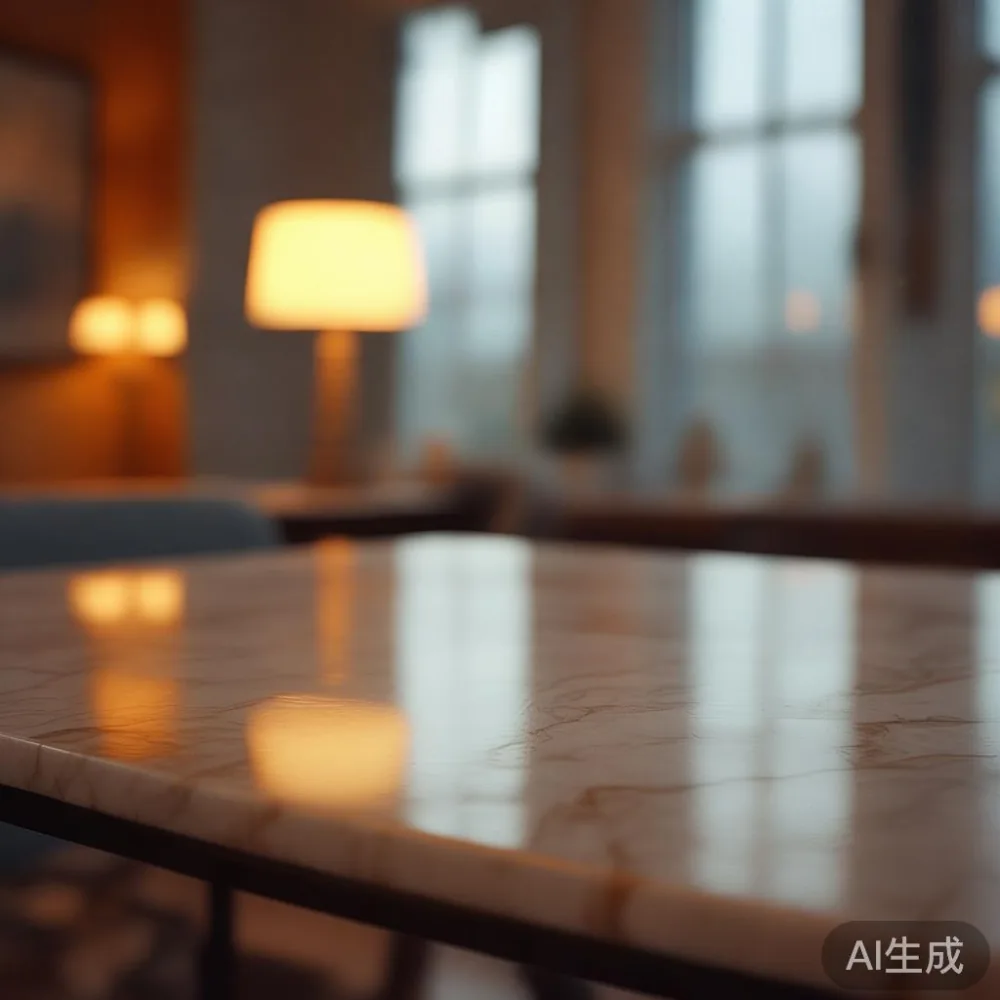
For Singapore households, furniture placement matters as much as cleaning. A solid wood sofa should not sit directly against a hot west-facing window, while a bed frame needs enough ventilation for moisture to move around its panels. A lacquered dining table should have a stable path from the HDB lift to the dining area, without repeated turns that strain its legs or marble top.
This guide focuses on protected marble furniture, especially lacquered marble tables, and explains how to preserve the finish without losing the soft, reflective character associated with French light luxury, American light luxury, or post-modern light luxury interiors.
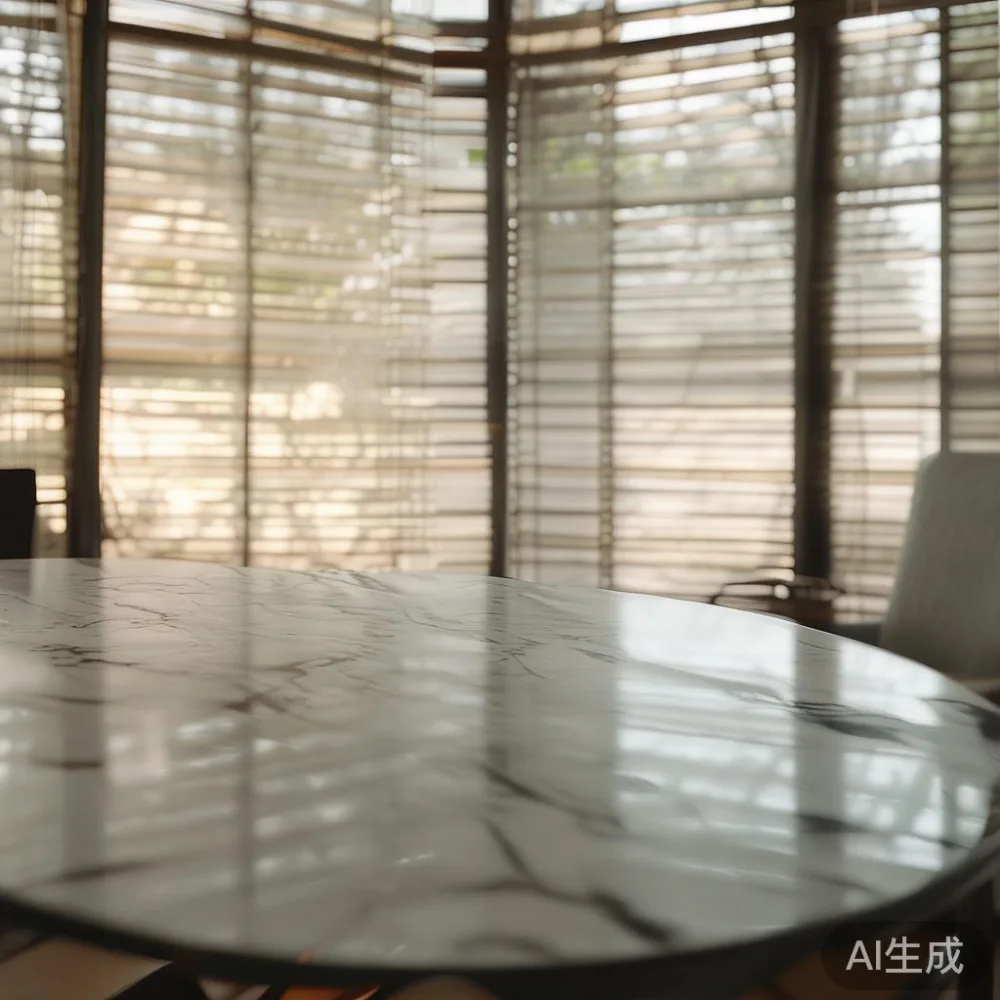
Why does lacquer need special care in Singapore?
A lacquer finish is not the same as the marble beneath it. Marble is a porous natural material, while lacquer creates a controlled surface layer over the stone or its support. That layer can resist ordinary stains, but heat, standing water, harsh alkaline cleaners, and abrasive rubbing may still leave dull patches, whitening marks, or tiny scratches.
Singapore’s relative humidity commonly ranges from roughly 65% to 85%, and outdoor surfaces can heat above 35°C during the afternoon. Inside a Tampines HDB flat, a marble table may therefore move through two environments in one day: about 24°C with active air-conditioning, then 29°C to 32°C near a balcony or corridor. Rapid surface-temperature changes can stress lacquer more than steady warmth alone.
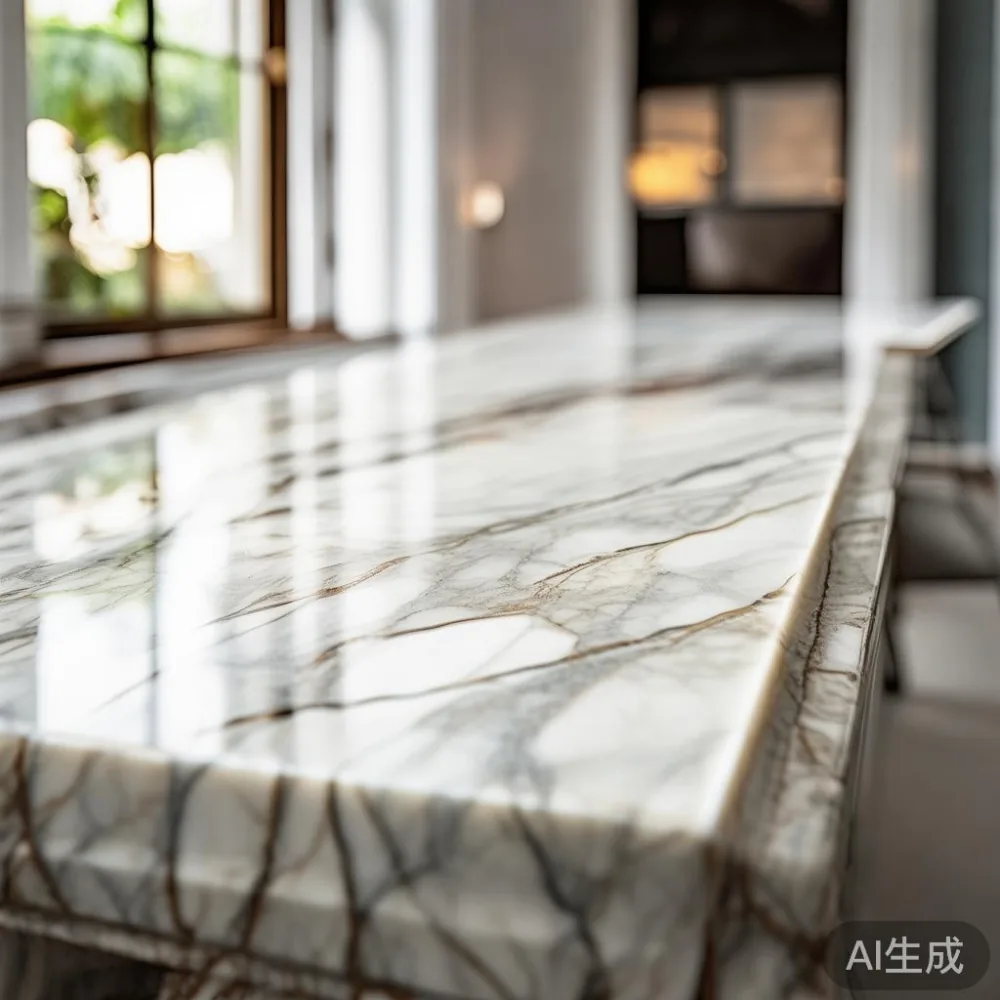
Salt and grit are another local concern. Air carried from coastal areas can settle on surfaces in Bedok and Punggol, while corridor dust may include fine construction particles. These particles do no harm while stationary. They become a problem when dragged across lacquer with a dry cloth, cloth, or pet hair.
Use coasters and placemats even when the lacquer feels smooth. A ceramic coaster at least 10 cm wide helps isolate a glass or cup from condensation. A 45 cm-wide placemat gives a dinner plate a separate contact zone. Avoid leaving a chilled beverage directly on the stone for more than 30 minutes, because condensation can linger beneath the vessel.
What should I use to clean a lacquered marble table?
Start with a soft, lint-free microfibre cloth and a small amount of mild dish soap diluted in warm water. A practical mixture is 5 ml of detergent in 500 ml of water. Wring the cloth until it is damp, not dripping, and wipe in gentle circles. Then use a second clean cloth dampened with plain water to remove residue. Dry the surface immediately with a separate soft towel.
This routine should be used once a week in a lightly used home, or every 3 to 4 days around a busy dining area. Spills need faster action. Blot liquid within 1 minute; do not scrub a stain that is already spreading. For oil, dab the area with a clean cloth rather than spreading it into the lacquer.
Keep these substances away from lacquered marble furniture:
- Vinegar, lemon juice, and acidic bathroom sprays
- Alcohol-based glass cleaner at concentrations above 70%
- Bleach, ammonia, and alkaline oven cleaners
- Silicone spray, furniture polish, and cooking oil
- Abrasive powder, scouring pads, and stiff nylon brushes
Household vinegar has a pH of about 2 to 3 and can attack both some sealers and the calcium within marble. A stronger cleaner does not mean a more suitable cleaner. Even diluted dish soap can leave a film if too much is used, so use no more than 5 ml per 500 ml of water.
Test any unfamiliar product in a concealed 5 cm square for 24 hours. If the patch becomes dull, tacky, or uneven, wipe it away immediately. Never mix two cleaners. The reaction between bleach and an acidic product can release harmful gas, even in a well-ventilated flat.
How do I prevent scratches, heat marks, and water damage?
Think of lacquer as a finish that prefers gentle boundaries. Place a solid wood dining table away from direct sunlight, or add a lined curtain that filters ultraviolet exposure without touching the top. A 60-second warm-up of an air-conditioning room helps reduce condensation on cooler furniture, although the main benefit is comfort rather than wood movement.
Heat marks usually begin with a hot pan, a mug fresh from the machine, or a bowl taken straight from the kitchen. Use a heat-resistant trivet with at least 2 cm of clearance beneath hot vessels. Do not place a ceramic mug directly on the marble if the mug’s base is rough or unglazed. Felt pads beneath coasters reduce scratching, but they should be replaced when compressed rather than layered indefinitely.
For moving objects, lift rather than slide them. A marble table top may weigh 45 kg to 120 kg depending on size and construction, so do not drag it across a protected floor. Use 4 furniture sliders rated for at least 150 kg if relocation is necessary, with at least 2 people handling a larger table. Secure the top before moving and measure the lift door first: common HDB lift openings are around 90 cm wide and 210 cm deep, while some condo service lifts provide more space.
Do not place a potted plant directly on a lacquered surface. A 20 cm planter can hold 2 litres to 4 litres of water, and repeated watering may leave a damp ring. A 25 cm-wide saucer beneath it provides a barrier, although the pot should still be lifted for watering.
How should I store or display furniture during the monsoon?
Air movement matters more than chasing an exact humidity number with a small appliance. A wardrobe in a Punggol condo should have several centimetres of clearance from a wall where possible, and its doors should be opened for 15 to 20 minutes after a long rainstorm. This allows moisture near the floor line and inside the carcass to disperse.
A nightstand should not be pushed tightly into a curtain fold, where airflow is poor and fabric can retain moisture. Leave at least 5 cm behind it, or 10 cm if the unit contains drawers that need clearance. A bed frame near a window should sit out of the rain path, not merely out of direct rain. Wind-driven rain can enter an open window and settle on furniture.
For long storage, clean and dry the surface for 24 hours, cover it with breathable cotton rather than plastic, and keep it away from the floor. A desiccant packet can be useful in a closed cupboard, but it should not sit on lacquer. Replace packs that have saturated according to their indicator, usually every 2 to 3 months in humid conditions.
Do not use a household dehumidifier as a substitute for sensible placement. Set it to maintain roughly 50% to 60% relative humidity if the unit can be controlled that precisely. Constantly switching between humid outdoor air and very dry indoor air may create larger surface swings than a stable 55% setting. Singapore’s own building guidelines and the equipment manufacturer’s instructions should guide safe electrical placement, with at least 30 cm of clearance for ventilation.
Can scratches and dull patches be repaired without replacing the furniture?
Minor surface marks may improve with careful polishing, but the correct method depends on the lacquer system. Before using any abrasive polish, find the supplier’s care instructions and test a hidden area for 24 hours. Some lacquered marble furniture uses a clear protective layer, while other surfaces use a pigmented or hand-finished coating.
For a hairline scratch, begin with a clean microfibre cloth and diluted detergent. If the mark remains, a marble-safe refinishing service may be more suitable than an online polish. Proceed only after confirming that the product will not remove the protective layer or alter the gloss. A repair specialist should be given the finish type and the age of the piece before work begins.
Last month I visited a client’s renovated flat in Bedok to inspect a 120 cm lacquered marble table that had developed pale rings around a vase. The cause was not acidic marble etching. A scented reed diffuser had been standing on the surface for 5 weeks, and oily fragrance liquid had softened the finish. We moved the vase, cleaned with diluted detergent, allowed the area to dry for 24 hours, and referred the piece to the finishing specialist. The episode reinforced a simple rule: decorative liquids and textiles need a separate tray rather than direct contact with the top.
MIDHILL offers lifetime refinishing for qualifying pieces, but the scope and method should be confirmed before any work starts. That support is valuable because colour-matched restoration can preserve the character of a piece better than replacing its top. It is not permission to ignore heat or standing liquid.
How can I choose marble furniture that suits a Singapore home?
Measure the route before ordering. For a dining table, calculate the lift opening, hallway turns, stair width, and door clearance. A table may fit flat in the lift but become difficult to rotate at a corridor junction. Ask for a delivery plan that identifies the largest dimension, its weight, and whether the top separates from the base. For a marble table over 70 kg, 3 or 4 trained movers are more appropriate than 2.
Allow practical movement space around furniture. A dining table needs roughly 90 cm from the edge to a wall for seated use and about 120 cm in a busy walkway. A bed frame normally needs 60 cm on accessible sides. A wardrobe needs enough opening space for its doors: allow at least 90 cm in front of hinged doors and 70 cm for many sliding systems, subject to the supplier’s dimensions.
Design language should work with the architecture rather than compete with it. Modern French provincial furniture can suit a compact HDB dining room with rounded profiles and restrained ornament, while an Italian light luxury bed can create a calm focal point in a condo bedroom. If an online search brings up the best Coastal sofa for 2026, note that the marketing label does not tell you much about frame durability or lacquer care. Ask instead about joinery, finish composition, and service terms.
For clients comparing an American bed vs Japandi bed, construction and setting are more useful than style labels. A solid wood bed frame with ventilation gaps may suit an air-conditioned bedroom, whereas a low platform may need more clearance in humid weather. For seating, a French provincial coffee table in soft proportions can balance a solid wood sofa without crowding a compact living room. Requests for designer light luxury furniture should lead to a discussion of proportion, tactile surfaces, and maintenance rather than decoration alone.
What is the safest 10-minute care routine?
Use this routine every week or every 3 days during heavy dining periods:
- Remove rings, coasters, and loose objects.
- Wash a soft microfibre cloth with diluted dish soap: 5 ml per 500 ml of water.
- Wipe the lacquer gently, keeping the cloth damp rather than wet.
- Pass over the surface with a second cloth dampened with plain water.
- Dry immediately with a clean, soft towel.
- Check beneath coasters and decorative objects for trapped moisture.
Every month, inspect lacquered marble furniture under good light. Look for changes in gloss, colour, bubbling, lifting at edges, and marks that appear after wiping. Every 6 months, check the underside of a dining table and the back of a nightstand for dampness or mould. Keep a photograph of each finish and note the date; this helps a repairer distinguish an old mark from fresh damage.
For buying and planning, remember that good care cannot compensate for poor placement. Keep lacquered surfaces away from direct coastal spray, hot vessels, standing water, and abrasive dust. Use protective pads, controlled cleaning, and quick spill response. For more information about MIDHILL products or furniture planning, contact the team with your floor-plan dimensions, lift measurements, preferred finish, and typical household conditions.