How Humidity in Southeast Asia Affects Wood Furniture — A Singapore Homeowner's Guide
I learned the hard way how unforgiving Southeast Asian humidity can be to wood furniture. Last month I visited a friend's resale HDB flat in Bedok, where a six-year-old teak dining table sat against a wall with no aircon running during the day. The drawer faces had cupped by 1.5 mm, the centre leaf had a 3 mm bow across its 180 cm length, and the customer couldn't recall ever applying oil. That single visit made me want to put every practical fact I know into one place — especially for buyers shopping for a solid wood sofa, bed frame, dining table, wardrobe, or nightstand in Singapore.
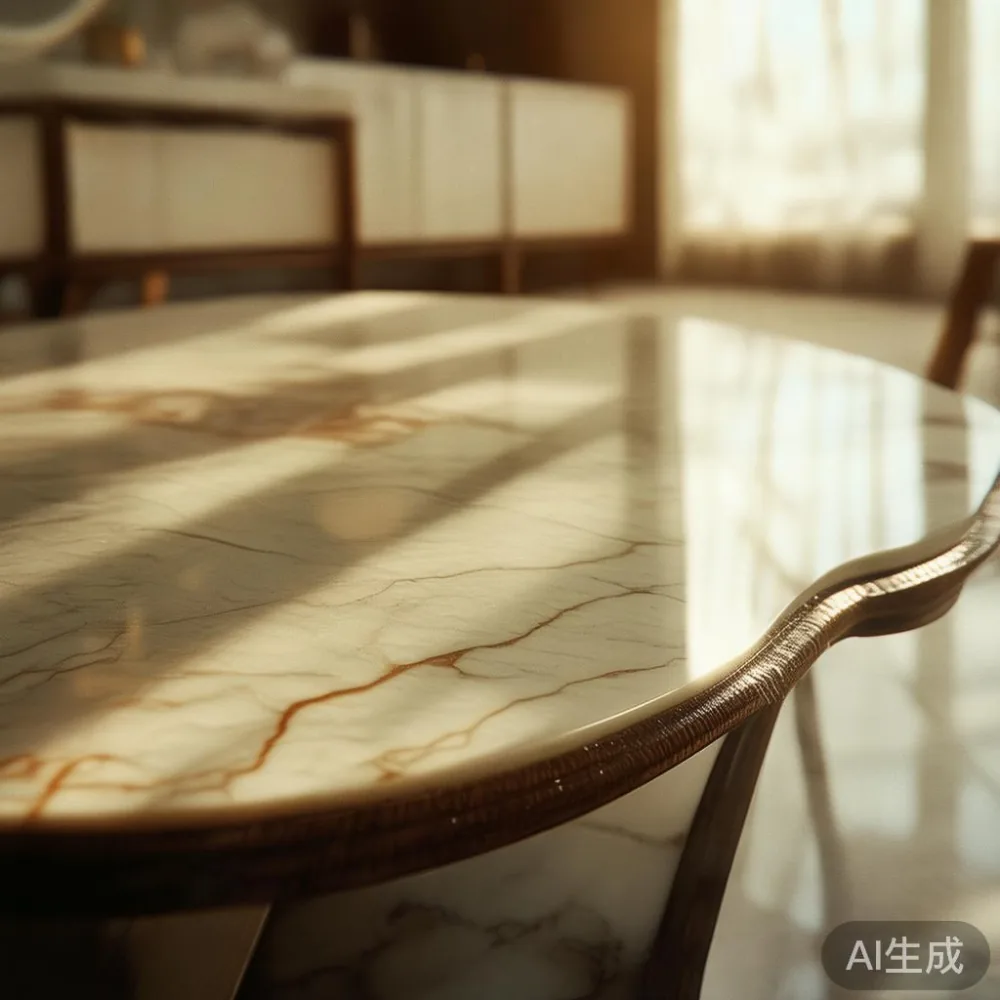
The science is simple but stubborn. Solid wood is hygroscopic — it absorbs and releases moisture until it reaches equilibrium with the surrounding air. In Singapore, outdoor relative humidity sits between 70% and 90% for most of the year, and indoor humidity in a non-air-conditioned flat can climb to 75%–85% during the afternoon. The target range for long-term furniture health is roughly 40%–55% RH. That 25–35 percentage-point gap is where the damage lives: swelling, cupping, crowning, joint loosening, mould at the back of a wardrobe, and mouldy bloom on a marble table top placed next to a frequently opened balcony door in a Punggol condo.
Why Singapore Homes Are Particularly Hard on Wood
Three local factors compound the problem. First, ventilation patterns: HDB flats in estates like Tampines and Punggol rely heavily on cross-ventilation, which is excellent for cooling but constantly feeds humid air into the room. Second, the building envelope — concrete walls plus tiled floors — holds moisture and releases it overnight when the temperature drops by 3–5°C. Third, the typical unit layout pushes a 180–200 cm dining table or a 200 cm wardrobe against an exterior wall that is rarely perfectly insulated.
On top of that, lift and corridor widths in most HDB blocks cap at about 1.0–1.2 m clear inside the lift car and around 1.3 m at the lobby turn. A 220 cm bed frame usually has to be brought in vertically, which means careful planning before delivery. MIDHILL confirms these dimensions with the customer before dispatch; this kind of pre-check is one of the quietly important parts of furniture shopping in Singapore.
Is Modern light luxury queen bed furniture worth it?
Yes — a well-made modern light luxury queen bed furniture piece is genuinely worth it for most Singapore buyers, provided the construction is solid wood and the finish is factory-sealed on all six sides. The "light luxury" tag refers to restrained proportions, soft neutral palettes, and quiet detailing rather than heavy ornamentation, so the bed reads as calm rather than busy in a compact master bedroom. Expect to pay roughly SGD 1,800–3,800 for a queen-size solid wood platform bed in this style, with delivery taking 14–25 working days to a Singapore address and free shipping above US$350 (around SGD 480).
The catch is what "light luxury" actually means at the workshop level. Genuine post-modern light luxury furniture uses kiln-dried hardwood at 8–12% moisture content, mortise-and-tenon joinery, and a multi-layer PU or hard-wax oil finish. Cheaper versions substitute MDF with veneer, which fails quickly in 80% RH. Ask the seller for the moisture-content reading, the joinery type, and a sample of the unfinished wood. A credible maker such as MIDHILL will answer these questions without hesitation; a reseller often will not.
The Numbers Singapore Buyers Should Actually Care About
Here are the measurements I use when evaluating any wooden piece, from a 45 cm nightstand to a 240 cm wardrobe:
- Wood moisture content at delivery: 8%–12% (use a pin-type moisture meter; SGD 25–60 from any local hardware store).
- Indoor relative humidity target: 40%–55% RH, ideally held year-round.
- Acceptable seasonal movement on a 180 cm solid wood plank: 2–4 mm across the grain, 1–2 mm along the grain. Anything beyond that suggests poor drying.
- Recommended gap behind a wardrobe: 25–40 mm from the wall, to let air circulate and prevent trapped moisture.
- Ideal clearance under a marble table top: the stone slab should sit on a felt or silicone pad, never directly on bare wood, because marble sweats in humid rooms and the condensate will mark the timber within weeks.
- Air-con sweet spot: set to 23–25°C with dehumidify mode; this typically pulls room RH down to 50–60%.
- Daily wipe-down: a dry microfibre cloth takes 20–30 seconds per surface and removes the salt-laden moisture film that settles on wood in coastal areas.
For buyers balancing GST at 9% against landed costs, a SGD 2,500 bed frame effectively becomes SGD 2,725 at checkout. Worth remembering when comparing two quotes that look close on paper.
How Different Pieces Cope — and Where They Fail
Solid wood sofa frames tolerate humidity well at the carcass level because the timber is thick and the stress is distributed, but the cushions and webbing absorb moisture and develop mildew if the cover isn't breathable. Rotate the cushions weekly and pull the sofa 10 cm away from the wall so the back panel can dry.
Bed frames fail in two predictable places: the centre rail (sagging because humidity softens the wood before the load is applied) and the slat holders (cracking because the slats swell and jam). Look for a centre rail of at least 60 mm × 25 mm and slats no more than 7 cm apart for a queen mattress.
Dining tables bow across their width when one side is near an air-con vent and the other is near a window. A 200 cm table can develop a 4–6 mm crown within three months of uneven exposure. Use a humidifier or move the table 1 m away from the airflow.
Wardrobes are the highest-risk piece because of sheer surface area. The back panel — usually 9–12 mm plywood — absorbs moisture through the wall gap and transfers it into the carcase. Spec a 15–18 mm back panel and a 30 mm rear standoff; both add maybe SGD 80–120 to the price but save a SGD 600 replacement.
Nightstands are small but vulnerable: their enclosed back hides condensation, and a hot cup of kopi left on the surface every morning leaves a ring that humidity then sets permanently. Always use a coaster and lift, never slide, hot drinkware.
Marble tables bring their own complication. Marble is porous and reacts with acidic spills (lime juice, vinegar, even some wines), but in our climate the bigger threat is "marble sweat" — condensation on the underside of a cool stone slab meeting warm, humid air. The condensate drips onto the wooden sub-frame and slowly stains it. Keep the room below 65% RH and seal the marble top twice a year with a penetrating stone sealer (around SGD 35 per 250 ml).
What I Check Before I Buy — A Pre-Delivery Checklist
After watching my friend's Bedok dining table, I run through this list every time:
- Confirm the timber species, kiln-dry method, and target moisture content in writing.
- Request photos of the unfinished frame on all six sides (back, underside, inside drawers).
- Check that the finish is continuous on the underside — many makers cut corners here, which is where mould starts.
- Measure lift, corridor, and door widths at home; a 210 cm wardrobe will not make a 1.0 m lift.
- Ask about delivery lead time to Singapore (sea freight via Shenzhen or Guangzhou plus local trucking usually means 18–30 days), and whether customs and GST paperwork is included.
- Confirm the warranty in writing. A 10-year structural warranty and lifetime refinishing are common at serious Foshan workshops; anything shorter is a red flag.
- Ask about the 14-day return window — who pays return shipping if the piece is genuinely defective?
On that last point, free shipping above US$350 (around SGD 480) genuinely matters. A 4-seater solid wood sofa frame typically weighs 80–110 kg and ships in two crates; freight from southern China to a Singapore door runs about SGD 280–420 depending on volume. Crossing that threshold saves the customer the entire delivery fee, which is why so many buyers in Tampines and Punggol order a sofa and dining table together to combine the orders.
Maintenance Routines That Actually Work in Singapore
Three habits protect wood furniture more than any product on the shelf. First, keep indoor humidity between 45% and 55% RH using a dehumidifier in bedrooms and a steady air-con set-point in living areas. A 12-litre dehumidifier costs SGD 220–350 and pays for itself by preventing one warped drawer face. Second, wipe every surface with a dry microfibre cloth every morning — it takes 30 seconds and removes the moisture film before it can soak in. Third, apply a hard-wax oil or furniture balm twice a year, typically before the March–May humid peak and again before the November–January monsoon trough. Budget SGD 25–45 per tin and 20 minutes per piece.
For marble furniture specifically, the routine shifts slightly: seal the stone every six months, clean spills within 60 seconds (especially kopi, tea, and citrus), and never place hot cookware directly on the surface — use a trivet. A marble table with a neglected seal will etch within a year in our climate; one that is sealed and wiped stays bright for a decade or more.
What about black ash wood minimalist furniture? Black ash is dense, takes finish well, and shows a quiet grain that suits French light luxury and American light luxury interiors alike. It moves slightly less than oak in humidity, but it darkens under UV exposure, so position it away from direct afternoon sun through west-facing windows — a common layout in newer Punggol condos.
When a Piece Has Already Started Moving — Can It Be Saved?
Light cupping (under 2 mm across a 30 cm panel) usually reverses when the room is stabilised for 4–6 weeks at 50% RH. Moderate crowning (2–4 mm) often needs the panel removed, re-acclimated in a controlled space, and re-fitted. Anything beyond that is a structural failure and falls under warranty if the piece is recent. Document the problem with dated photos and a moisture-meter reading; a credible maker will replace or refinish without argument. MIDHILL's lifetime refinishing promise, for example, is built around exactly this scenario — a piece that's 3, 8, or 15 years old can be sent back to the workshop for sanding and re-oiling, which restores both geometry and colour.
Where Singapore Buyers Are Getting It Right
I've noticed a pattern in the showrooms my colleagues and I visit in the Jurong and Toh Guan clusters. The buyers who get the longest life from their furniture share four behaviours: they measure doorways before ordering, they run a dehumidifier in the master bedroom, they apply oil twice a year without fail, and they keep large pieces 25–40 mm off the wall. Those four habits routinely push furniture lifespan past 12–15 years, even for heavy-use items like a 220 cm wardrobe or a daily-eaten-on dining table.
The buyers who struggle tend to skip one of those steps — usually the wall gap or the dehumidifier — and then blame the wood. Solid wood is forgiving, but it isn't magic. Treat it as a living material that responds to its room, and it will reward you with decades of service. Treat it as inert plastic, and Singapore's humidity will remind you, gently at first and then firmly, that wood always wins the argument.