Small-Apartment Styling with Light-Luxury Marble Furniture
A compact HDB flat or condo in Tampines, Bedok or Punggol can feel calm rather than crowded. The difference often lies less in buying fewer objects and more in controlling footprints, circulation widths, visual weight and material contrast. Marble furniture can make a small room feel considered, but only when each piece has a practical role and enough breathing space around it.
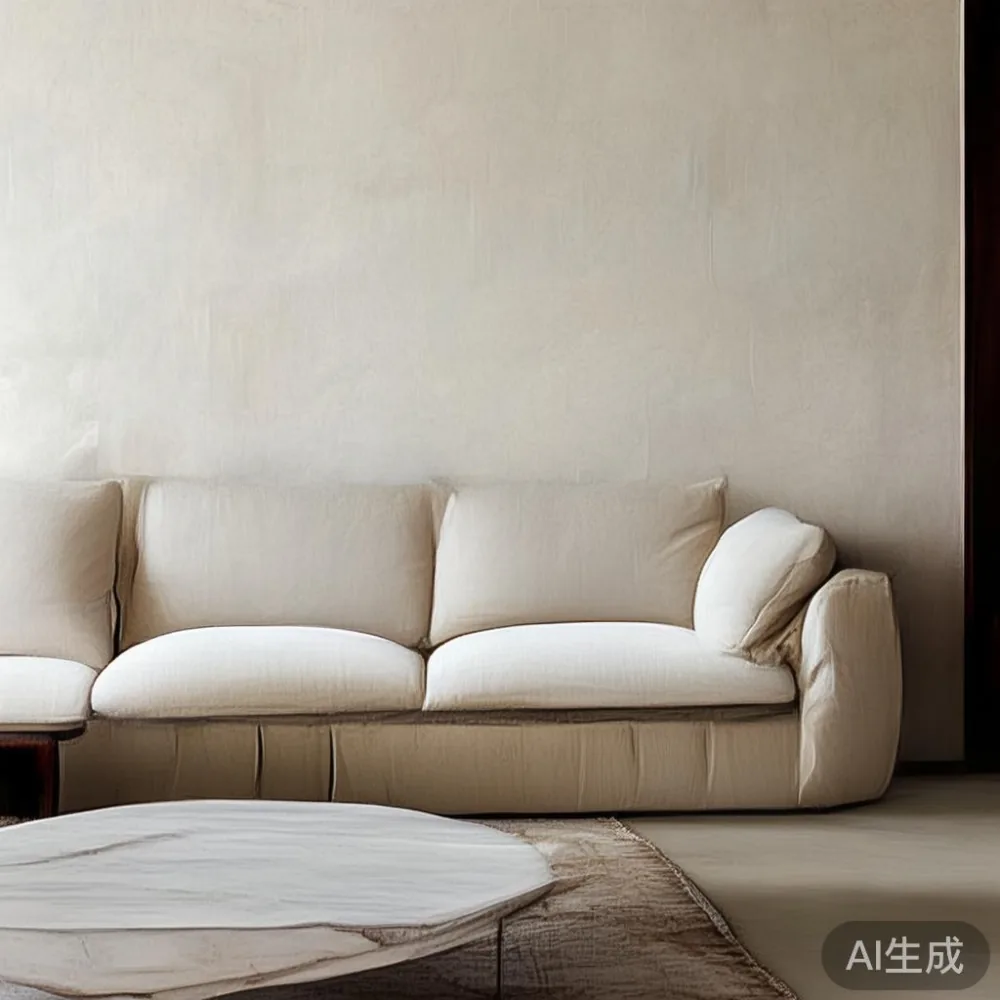
I tested this approach during a home visit last month in a 3-room BTO near Tampines West. The dining area measured only 180 cm wide, with a 90 cm sliding door opening into the room. Replacing a broad sideboard and several open shelves with a 120 cm dining table, 2 slim wall ledges and a 55 cm round marble table made the same area easier to move through. The lesson was simple: generous spacing mattered more than decorative density.
What makes light-luxury marble furniture work in a small flat?
Light luxury is about proportion, texture and restrained detail. French light luxury might bring curved profiles, muted fabrics and a soft cream palette. American light luxury tends toward clean-lined comfort, while post-modern light luxury can pair familiar forms with interesting materials or geometry. In a small apartment, French-style carving may consume more visual space than a straight-front design, while very thick marble slabs can make furniture appear heavier than they are.
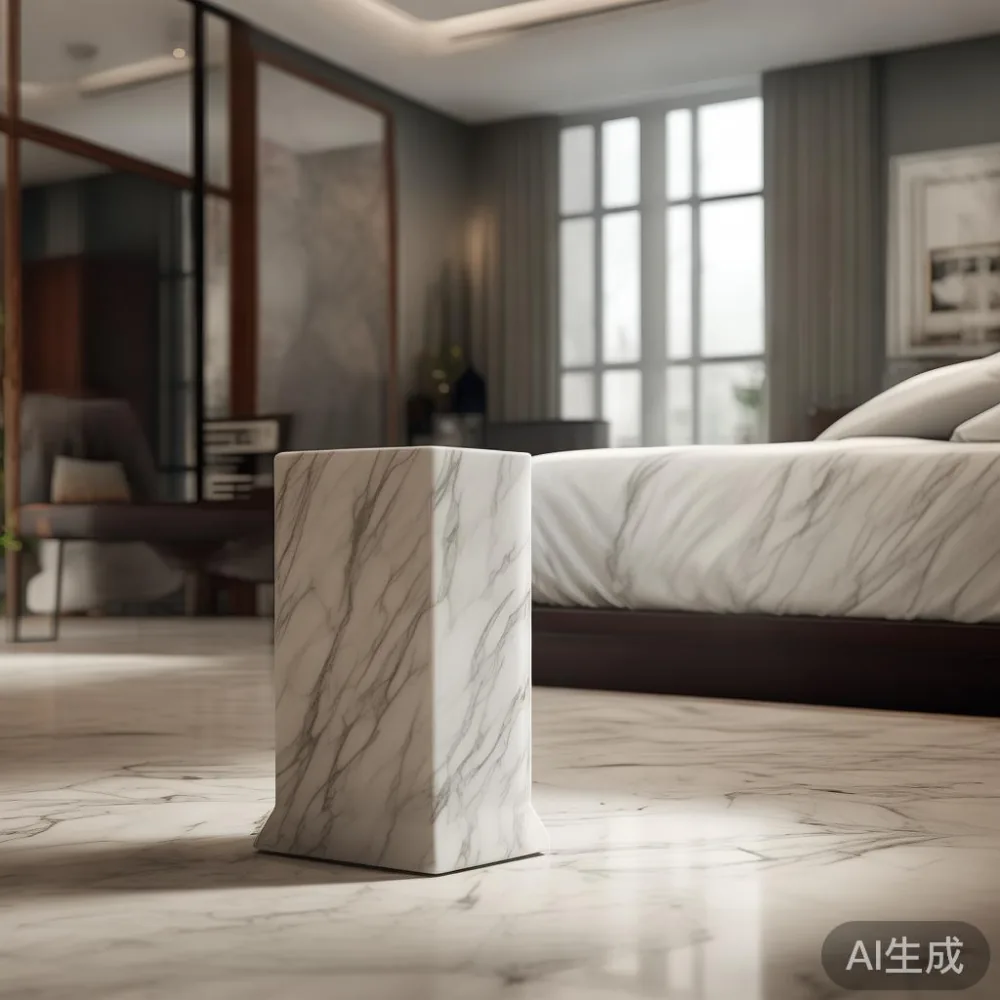
Keep the palette to roughly 3 main colours, such as warm white, pale oak and charcoal, with 1 accent such as sage or dusty blue. Use marble furniture as a focal point rather than filling every corner with glossy stone. A single marble table can establish texture without turning the living room into a showroom.
Measure before ordering. Leave at least 75 cm beside a dining chair for sitting and 90 cm behind it for circulation. Between a sofa and coffee table, allow 40–45 cm. Along a main walking route, preserve a clear 80–90 cm where possible. These figures are more useful than vague rules about “small” furniture.
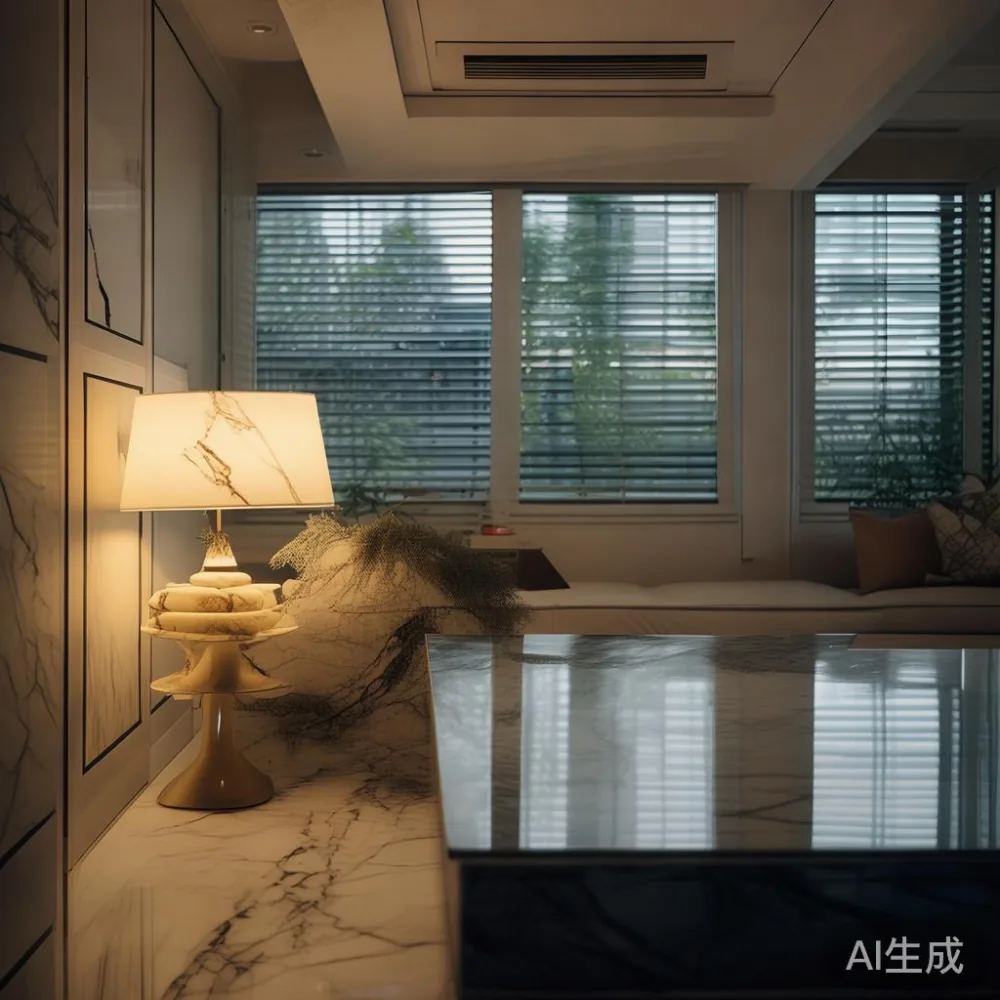
For Singapore conditions, ask about marble thickness, protected edges and stable bases. A 20–30 mm top can look refined, but the design matters more than thickness alone. Request a sample and view it under the apartment’s daylight and evening lighting. Stone can shift from soft grey to beige as the light changes.
How narrow should a dining table be in an HDB or condo?
Dining furniture should fit the room’s circulation pattern, not just its floor area. A rectangular dining table around 120 cm by 75 cm can serve a compact household with 4 place settings if chairs can slide in fully. A 140 cm by 80 cm table offers more elbow room but needs a clear zone of about 180 cm by 120 cm, including chair movement.
For a narrow dining zone, consider a 100–120 cm table with straight, armless chairs. A pedestal base may help knees and chair legs, although it occupies the centre of the floor. Four tapered legs can preserve visual openness, but you need room to place chairs without hitting the base. Ask the supplier for the chair projection and the table’s assembled dimensions, not only the top dimensions.
Check the route from the lift to the flat as well. Some HDB corridors and lift lobbies are only about 100–120 cm wide at the narrowest point. A dining table may fit through the door after removing its legs, but a tall wardrobe cannot always be tilted safely. Measure the lift door, corridor turns, stair landings, door width and ceiling height before committing to a large piece. Delivery access should be part of the product decision.
For a local example, a MIDHILL dining table in a light oak finish, paired with a compact 55 cm round marble table, can make a 180 cm-wide zone feel usable. The wood warms the room while the stone adds contrast. Avoid adding a large sideboard in the same zone; use a shallow cabinet, 30–40 cm deep, or place storage elsewhere.
Can a solid wood sofa fit without making the living room feel heavy?
Yes, if the sofa has a restrained silhouette and the correct scale. In many Singapore flats, a 160–180 cm solid wood sofa frame is more practical than a 220 cm model. A low back, slim arms and a seat depth of about 55–60 cm preserve visual space. Upholstered cushions can provide comfort without covering all of the frame’s character.
Position the sofa against the longest wall or use it to divide an open living-dining area. Maintain at least 75 cm from a TV cabinet to the opposite edge of the seat, and 40–50 cm between the sofa and any nearby table. A small round marble table, around 45–55 cm in diameter, can replace a wide rectangular coffee table and allow easier movement around the sofa.
Light-coloured upholstery works well in compact rooms, but choose a fabric that can be cleaned and replaced. Ask about seat density, cushion dimensions and removable covers. If children or pets are part of the household, performance fabric with a treated surface may be more practical than a delicate weave.
Do not rely on a narrow sofa to solve poor planning. Too many floor-standing objects, especially baskets, side tables and oversized lamps, can make the room feel crowded. Keep the main visual line low and use one or two vertical elements, such as a slim floor lamp or a 140–160 cm mirror, to draw the eye upward.
Which marble table should you choose for a compact living room?
A round marble table is often easier to live around than a square one because it has no sharp corners and can sit in a narrow gap. A diameter of 45–55 cm works beside a compact sofa, while a 60–70 cm round table can suit a larger living room. The height should complement the sofa: typically 40–45 cm above the floor, or slightly below seat height for relaxed use.
Choose a light stone with a restrained pattern if the room already contains strong visual elements. White marble with grey veining can make furniture feel brighter, while cream or beige stone can blend with warm wood. Check the veining direction on a large sample, since small pieces may show a very different section of the slab.
For a condo living room, consider the balcony doors and window track. Leave at least 60 cm of movement space where curtains open, and do not block ventilation. A table placed too close to a glass door can make both the furniture and the walkway appear compressed.
Marble requires sensible care. Use a stable coaster and wipe spills promptly, especially with acidic drinks. Ask about the protective sealer, recommended cleaning products and repair options. If a tabletop chip occurs, having the supplier’s service process in writing is useful.
How do you choose a wardrobe that fits HDB bedrooms?
A wardrobe should be planned around door swings, windows and the bedroom’s actual usable width. Measure the wall, skirting, ceiling coving and door opening. A 150–180 cm wardrobe may fit a typical bedroom wall, but only if the doors can open and the bed remains accessible. A sliding system may save floor space, although it needs enough depth for the tracks and internal hanging space.
For buyers comparing design and value, the phrase is European wardrobe worth it is a useful starting point because construction, hardware and service matter more than a country label. A European-influenced wardrobe can suit a compact room when it uses clean lines, integrated pulls and internal organisation. For storage, a depth of 55–60 cm is a practical target; deeper units can waste space in a small bedroom.
Researching the best Japanese wardrobe for 2026 can help with modular thinking, careful compartments and hardware that works quietly, but Singapore humidity, floor levels and delivery access still determine suitability. Test a wardrobe’s doors, drawer movement and finish under the room’s lighting. Make sure the installation instructions account for uneven floors.
French provincial for bedroom is another style direction, but carved details should be limited to one focal area. A French provincial wardrobe with ornate doors may overwhelm a 3-room flat, while a simpler panel door with a few curved details can retain the character without consuming visual space.
If storage must serve two people, use a combination of hanging rails, drawers and shallow shelves rather than filling the entire interior with full-depth cupboards. Reserve about 10–15 cm beside tall pieces for ventilation and maintenance where needed.
What should you ask before delivery?
Before ordering any solid wood sofa, bed frame, dining table, wardrobe, nightstand or marble table, ask for the assembled dimensions, weight, packaging dimensions and delivery route. Singapore buildings have practical constraints: lift capacity, door widths, corridor turns and parking access can affect the final installation day.
For a bed frame, confirm the mattress size, headboard height and the distance needed to walk around both sides. For a nightstand, choose a width of 35–45 cm when the bedside gap is limited, and check that a wall or headboard does not block the drawer. For a wardrobe, ask whether the doors are delivered separately and whether two installers are required.
Confirm the delivery window and any access charges in SGD. A supplier should explain how long production takes, whether stock is available and what happens if the lift is unavailable. Clear communication reduces the risk that a carefully planned room is disrupted by a last-minute delivery problem.
MIDHILL is a Foshan solid wood furniture maker established in 2008, with export experience across more than 15 countries. Its 10-year structural warranty and lifetime refinishing service can matter in a Singapore home, where seasonal humidity and daily use affect furniture over time. For orders over US$350, the stated shipping offer is worth checking against the destination, although local GST, delivery and access costs should be confirmed separately in SGD. A 14-day return policy also deserves review before ordering a made-to-measure piece.
How can a small bedroom feel calm and luxurious?
Begin with the bed, because it occupies the most floor area. A 150 cm bed frame may suit a smaller bedroom, but allow 60–75 cm on at least one side for walking. A low-profile frame can make the ceiling feel higher, while a tall upholstered headboard may create a focal point without adding furniture to the floor.
Use one material family for bedding and curtains, then introduce marble furniture through a small table or bedside surface. A 40–45 cm round nightstand can be easier to place than a square unit, especially beside a bed with a curved edge. Keep the nightstand’s height within about 5 cm of the mattress top for convenient use.
Colour should do some of the work. Warm white walls, light wood, oatmeal textiles and muted stone can make a room feel larger. Add one darker accent only if it occupies less than roughly 10% of the visible surface. Avoid matching every item in the same shade; contrast helps individual pieces read clearly.
For lighting, use at least 2 levels: a warm ceiling or indirect source around 2700–3000K and a lower task light near the nightstand. Check that a floor lamp does not stand in the walking route. In a compact flat, good lighting often gives more apparent space than another decorative object.
Can modern Modern light luxury furniture work in a small Singapore home?
Modern Modern light luxury furniture can work well when it combines slim proportions with tactile finishes. Choose clean silhouettes, integrated storage and a limited number of materials. Post-modern touches can add interest through shape, but too many curves, angles and patterns compete for attention.
One practical scheme is a light-oak solid wood bed frame, a low solid wood sofa with neutral cushions, a round marble table and a wardrobe with flush handles. The mix feels layered without becoming visually heavy. Keep the marble table’s diameter under 60 cm in a smaller living room, and use it as the only strongly patterned surface.
Before buying, walk through the room in your normal routine. Can you open the wardrobe while carrying laundry? Can someone sit at the dining table without blocking the corridor? Can you clean behind the nightstand? Comfortable movement is a form of luxury, particularly in a flat where storage and work functions share the same area.
Finally, compare products by total value, not by price alone. Confirm timber species, finish, joinery, hardware, warranty, after-sales service and delivery terms. For a wardrobe, you can use how to choose Italian light luxury wardrobe as a prompt for checking materials and construction, or how to choose French provincial wardrobe when deciding whether traditional detailing suits the room’s scale. The right piece should feel proportionate on arrival, not merely impressive in a photograph.