How Southeast Asian Humidity Affects Solid Wood Furniture
Singapore’s warm, humid climate can change the dimensions, surface finish and joint strength of solid wood furniture. In HDB flats and private condos across Tampines, Bedok and Punggol, indoor conditions may fluctuate sharply between air-conditioned afternoons and humid, ventilated evenings. A dining table can absorb moisture near a balcony, a wardrobe can sit beside a wet-room wall, and a solid wood sofa frame can react inside an air-conditioned living room with drier air.
Humidity does not automatically ruin furniture. Stable conditions, sensible placement and regular care usually allow a well-made solid wood bed frame, dining table or wardrobe to age gracefully. The key is to understand how wood moves with moisture and to reduce repeated swelling and shrinking.
MIDHILL makes solid wood furniture for homes and export projects, including Singapore, where its pieces must cope with tropical conditions. Its 10-year structural warranty reflects the joinery, while proper humidity care remains the customer’s responsibility. This guide explains the practical effects, measurements and maintenance habits useful for Singapore households.
Why Does Humidity Affect Solid Wood Furniture?
Wood is hygroscopic: its cell walls absorb water vapour from the surrounding air. As relative humidity rises, many hardwood species gain weight and expand mainly across the grain. When humidity falls, they lose moisture and contract. Movement of about 1–3% across the grain over a year can be normal for an unfinished or lightly finished solid timber surface in a tropical home.
Temperature matters too. Warm air can hold more moisture than cooler air. During a 30°C day, 70% relative humidity can feel oppressive; at 23°C, the same room can feel more comfortable. Air-conditioning lowers both temperature and humidity, but vents can dry one side of a wardrobe or table more than the other.
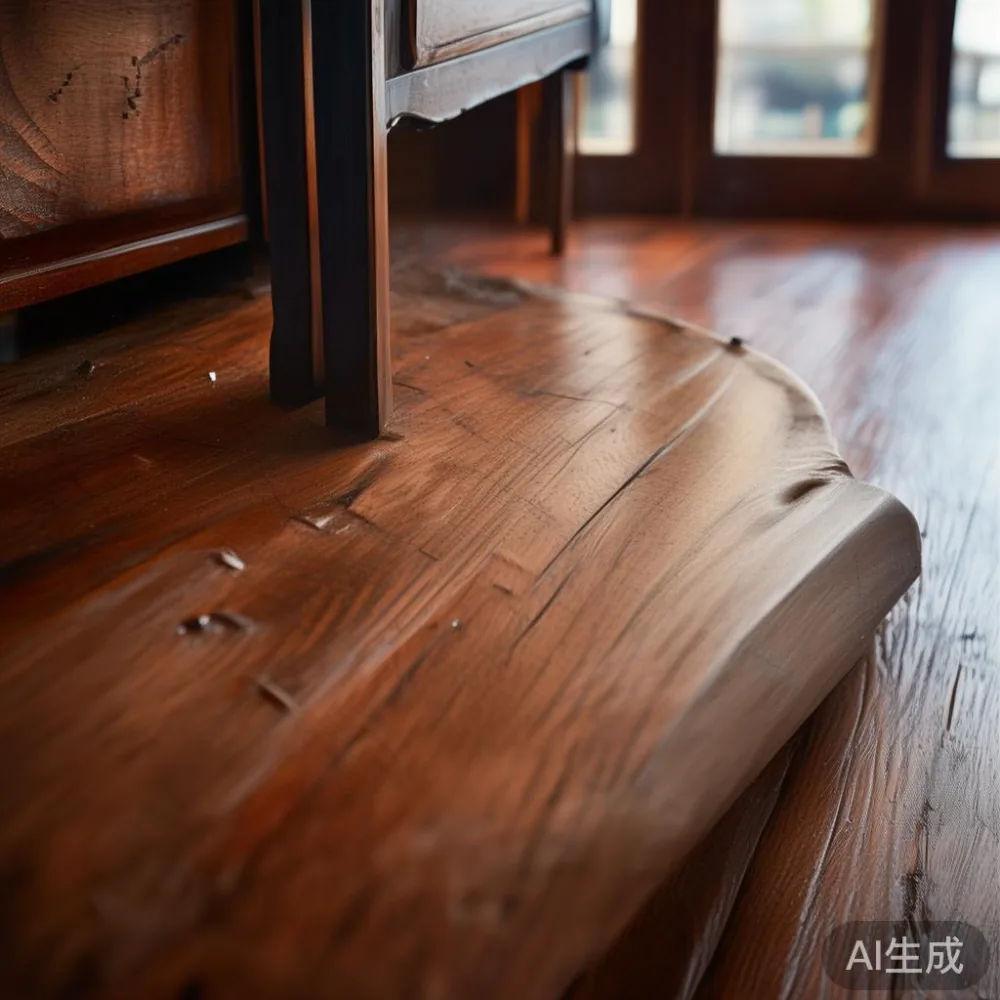
The most visible signs include a slightly uneven tabletop, a door that rubs at the lower corner, a drawer that becomes tight, or small checks near a finished edge. Veneered sheet goods and manufactured boards can also move, although their movement is generally smaller than that of a thick solid component.
Keep an inexpensive digital hygrometer beside frequently used furniture. A useful target is roughly 40–65% relative humidity, with less than 10 percentage points of daily variation where possible. Air movement matters: a gentle fan is safer than blowing air directly from an air-conditioner onto the same timber for 8 hours each day.
What Happens in Singapore HDB Flats and Condos?
Many Singapore interiors reach 75–85% relative humidity after rain, especially near windows, balconies and toilets. HDB flats can be compact, and a corridor or lift landing does not guarantee stable interior conditions. Older flats may also have single-glazed windows, whereas newer homes often use better glazing but still experience condensation during the monsoon period.
Internal layouts create local moisture pockets. A sideboard placed 5 cm from an exterior wall may experience a different humidity cycle from a central dining table. A wardrobe 10 cm behind bathroom tiles may see repeated moisture exposure. Keep at least 15–30 cm of ventilation space where practical, use a bathroom exhaust fan, and avoid placing solid wood directly against cold tile or concrete.
Air-conditioning can improve a room, but chasing a set number with the remote is not always ideal. Aim for comfort—approximately 23–27°C during the day—rather than an extreme 20°C setting. A room repeatedly cooled to 20°C and then opened to 32°C outdoor air can produce faster surface changes than a stable 25°C setting.
Windows and doors also matter. Open them only when outside air is not more humid than inside. During heavy rain, keep exterior doors and windows closed, run the air-conditioner or a dehumidifier, and wipe condensation from sills within 24 hours. For mould control, clean affected areas with a suitable household solution and dry completely; furniture should never be moved back into place while the wall remains damp.
How Much Does Wood Move?
Consider a solid oak dining table 200 cm long and 90 cm wide. If the wood is stabilized around 55% relative humidity, a 5% rise to 60% can produce a small dimensional change, often around 1–2 mm across a large panel after acclimatisation. A 220 cm long table can show roughly 2–4 mm of seasonal movement, while the lengthwise change is much smaller.
Movement is not the same as structural failure. Solid wood doors need a few millimetres of clearance to expand, and drawer bottoms need room to swell. An unusually tight fit at 17°C may become acceptable at 27°C. By contrast, a joint that opens during every damp-to-dry cycle can indicate poor preparation, concealed moisture damage or a design that did not allow seasonal movement.
Weight also changes, although the percentage is modest. A 70 kg oak dining table might gain or lose a few hundred grams over a strong humidity cycle. This is why kitchen scales can appear unstable near a newly delivered wooden table; wait 7–14 days for the piece to acclimatise before using it as a reference scale.
Which Furniture Pieces Are Most Exposed?
A wardrobe has a large surface area and frequently sits beside bedrooms or bathrooms. Check door gaps, hinge screws and the rear panel every 3 months. Use soft, slightly damp cloths for marks—about 10 ml of water per wipe—and dry immediately with a clean cotton cloth.
A solid wood sofa frame can be affected even when the visible cushions are fabric. Leave 10–15 cm between the frame and curtains or external walls, and vacuum upholstery every 2–4 weeks. Do not place a sofa beside a permanently open window during monsoon evenings. For a larger living room, a guide to how to style American sofa in room can help preserve balanced spacing while maintaining clear walkways.
A bed frame needs attention at the headboard and footboard, particularly in a room with poor circulation. Check every 6 months that the headboard fixings are firm and that the frame has not shifted more than a few millimetres. If comparing Japanese bed vs Mid-century modern bed styles, remember that low frames are close to the floor, where humidity may remain higher; raise legs slightly and keep air moving underneath.
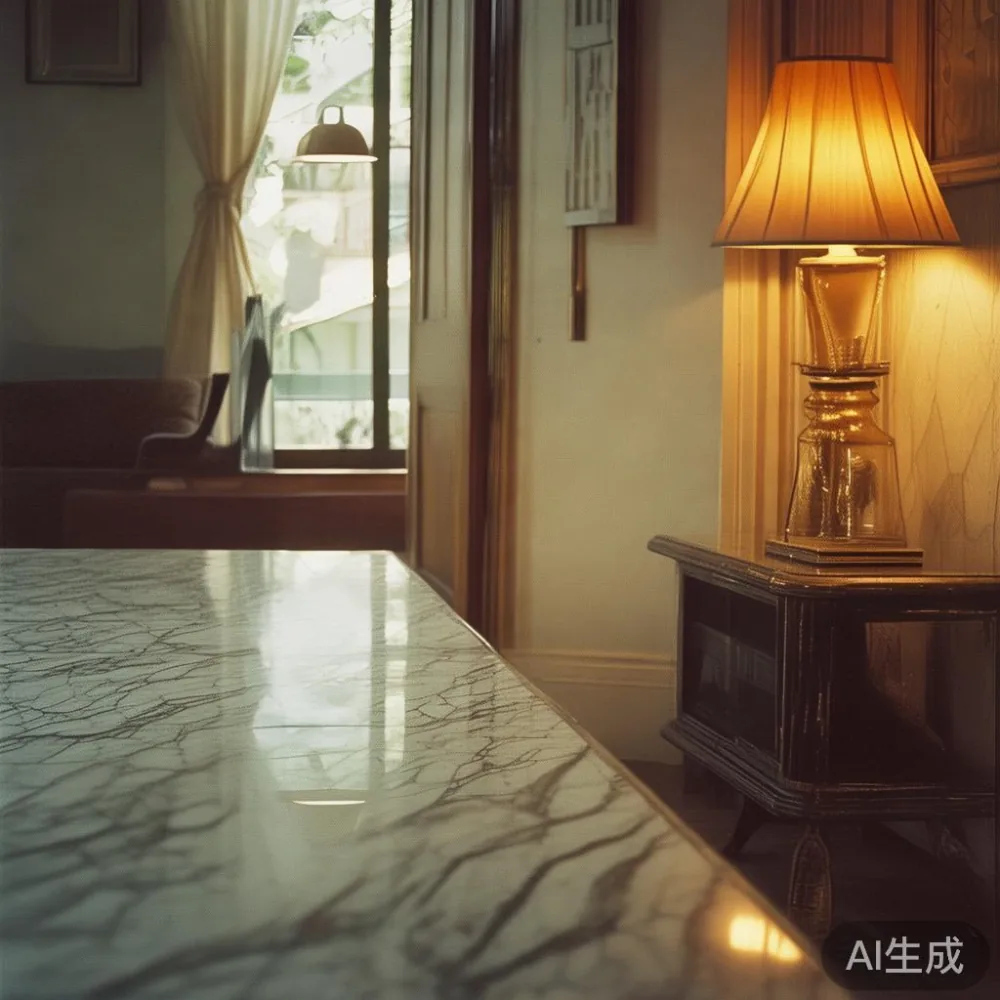
Nightstands and marble tables need a different routine. A marble table top does not expand like wood, so its supporting cabinet should be selected with that difference in mind. Marble can tolerate moisture, but water trapped against its base can affect the cabinet or its adhesive. Use coasters and maintain a 5 cm gap from walls where possible. Marble furniture still needs careful care because porous natural stone may stain or etch if acidic liquids sit on it.
A Modern light luxury TV console may combine solid timber, veneer and stone details, so follow the care instructions for each material. For designer French provincial furniture, use consistent humidity control and avoid repeated wetting of decorative edges. French light luxury, American light luxury and post-modern light luxury share a preference for clean proportions, but material care must match the actual construction rather than its visual style.
How Should You Deliver and Acclimate New Furniture?
Singapore deliveries require planning around lift and corridor widths. A standard HDB lift opening may be about 90 cm wide, while a larger private-condo lift can be 100–120 cm. A 180 cm long wardrobe cannot enter unless it is turned diagonally; a 220 cm dining table may fit through a 110 cm lift but requires two-person handling. Measure the door, lift, turning points and stair landing before dispatch.
Protect solid wood during transport with blankets, corner guards and moisture-resistant wrapping. Do not leave a table or wardrobe sealed in plastic for 7 days after arrival. The trapped air can keep moisture against the finish. Instead, remove packaging, place the piece in its final position and allow 5–14 days of gradual acclimatisation. Keep it away from direct air-conditioning, heaters and wet areas during this period.
MIDHILL’s delivery planning helps with access, but Singapore homeowners should also confirm whether the route includes a narrow HDB corridor of 100–110 cm or a condo loading bay requiring a move-in appointment. Check lift reservation rules with the building manager at least 3–5 days before delivery, and reserve a second delivery slot if the item is large.
What Maintenance Routine Works in a Tropical Home?
Check the hygrometer at 8 am and 8 pm for 7 days after major rain. Record the readings and compare them with door gaps and drawer movement. A difference of 15–20 percentage points in one day is a signal to improve airflow or adjust the air-conditioner setting.
Clean wood with a dry microfiber cloth for routine dust. If a damp cloth is required, wring it thoroughly; moisture should never visibly bead on the surface. Re-oil or wax according to the finish, usually every 12–24 months, using a product compatible with the existing coating. Test an inconspicuous area and allow the sample to dry for 24 hours first.
Inspect for pests quarterly. Look for trails, tiny holes or powder beneath legs, especially in older buildings or during the wet season. Keep food and damp cloths away from furniture, and wipe spills within 30 minutes. For imported or restored pieces, a specialist inspection can distinguish ordinary humidity movement from insect or finish damage.
Do not use bleach, ammonia or abrasive pads on an unknown finish. On marble, use a neutral cleaner with a pH above 7; citrus cleaners and acidic products can dull polished stone. Coasters should be at least 8 cm across for a 45 cm diameter tabletop, and coasters should be removed and the area dried after every drink.
Can Humidity Damage Marble Furniture?
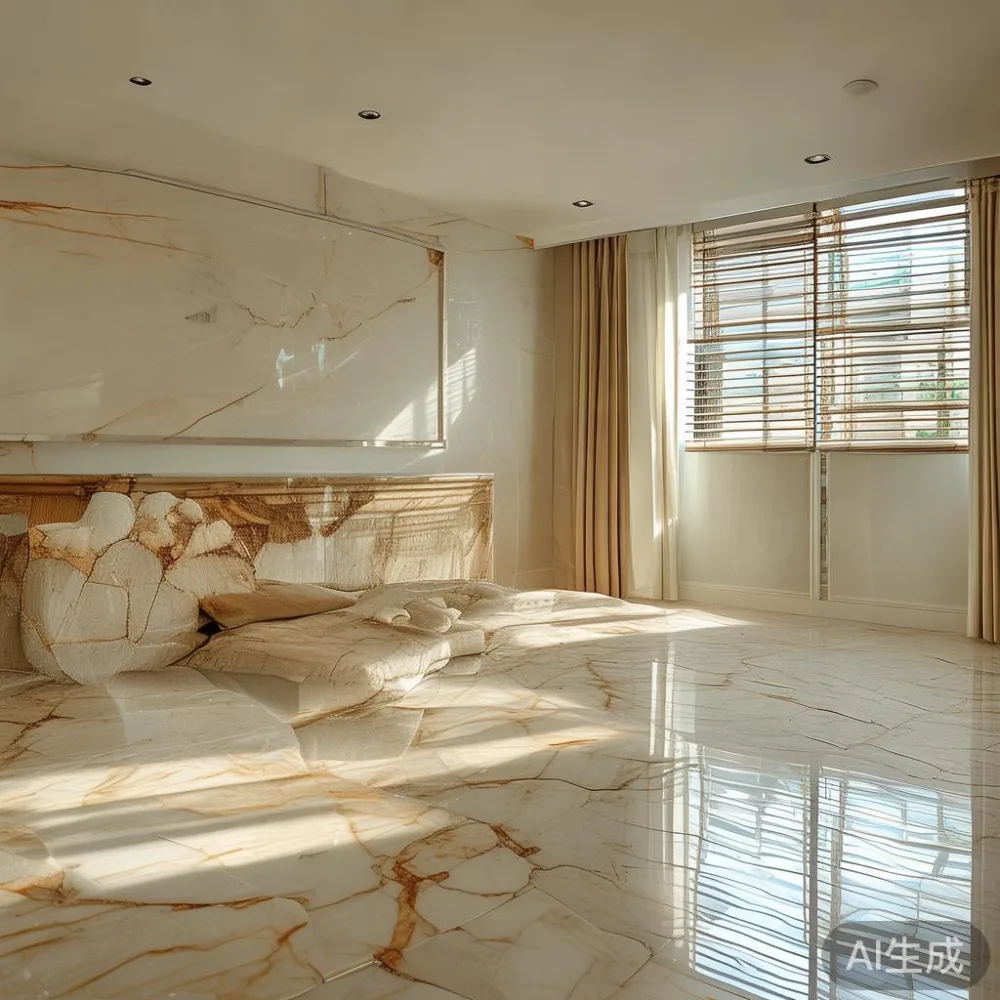
Marble furniture is generally less vulnerable to dimensional movement than solid wood, but humidity can still affect adjacent joinery, metal hardware and stone treatments. Water beneath a marble table may migrate into a timber cabinet, while repeated humidity changes can make some adhesives lose grip. Keep marble tops separated from exterior walls by 10 cm or more where possible, and inspect the underside every 6 months.
Natural marble may have veins and pores that differ within one slab. A red wine ring, coffee mark or lemon spill should be addressed promptly. Blot liquids rather than rubbing them, then rinse with a soft cloth. If the spill has remained for more than 2 hours, contact the supplier for a finish-specific treatment rather than applying household bleach.
For a bedroom or living room, position marble furniture away from bathroom doors and drying laundry. A 30 cm gap from a shower wall helps ventilation. If a condensation problem persists for more than 48 hours, stop placing textiles against the cabinet and have the wall checked for leakage.
Is It Normal for a Wardrobe or Table to Move After Delivery?
Small movement is normal during the first 7–14 days as furniture adapts to the room. A gap changing by 1–3 mm, a table becoming 2–4 mm longer across the grain, or a drawer that eases slightly can be ordinary wood behaviour. These changes should not create a cracked leg, split panel or separated joint.
Measure before and after a humid day rather than judging from appearance alone. Use a ruler and pencil to mark the door edge or table width, then check again after 24 hours at 70–80% relative humidity. Keep the marks discreet, and do not sand or trim a piece solely because its fit feels different during a wet week.
Persistent trouble usually points to a source that needs attention: a leaking pipe, blocked drain, damp wall or repeated air-conditioner blast. Repair that source for 48 hours, then allow the room to stabilise for 3–7 days. If the furniture remains out of shape, photograph the joint, measure the affected panel and request a repair assessment rather than forcing the door shut.
For Singapore buyers comparing top 10 Industrial furniture options, solid wood construction, finish quality and after-sales support matter more than a dramatic promise about humidity. For for sale Vintage furniture, inspect each piece for old moisture stains, mould and weakened joints; a sound older frame may need refinishing, while a swollen base may not be worth restoring. For a Modern light luxury TV console, confirm the drawer clearances, wall clearances and stone treatment before ordering.
A 10-year structural warranty is useful only alongside realistic care. Keep relative humidity near 40–65%, prevent standing water, measure delivery access, and inspect large pieces every 6 months. With those habits, solid wood bed frames, solid wood sofa frames, dining tables, wardrobes, nightstands and marble tables can remain attractive and functional in Singapore homes for decades rather than being treated as disposable furnishings.
MIDHILL’s 10-year structural warranty and lifetime refinishing service provide long-term support for customers who maintain their pieces correctly. Free shipping applies over US$350, returns are accepted within 14 days under the stated policy, and prices for Singapore buyers are normally confirmed in SGD at checkout. Check the final quotation, access requirements and finish-care guidance before confirming an order.