How Southeast Asian Humidity Affects Wood Furniture
Humidity is rarely the first thing Singapore homeowners consider when buying furniture, yet it shapes everything from door clearance to the long-term movement of a solid wood dining table. In an HDB flat in Tampines, a humid afternoon can raise the moisture level of the air faster than many owners expect. The same pattern occurs in Bedok and Punggol condos near open windows, where warm, moisture-laden air enters daily. Over 12 months, relative humidity can move between roughly 55% and 85%, while coastal weather, air-conditioning and monsoon periods add further variation.
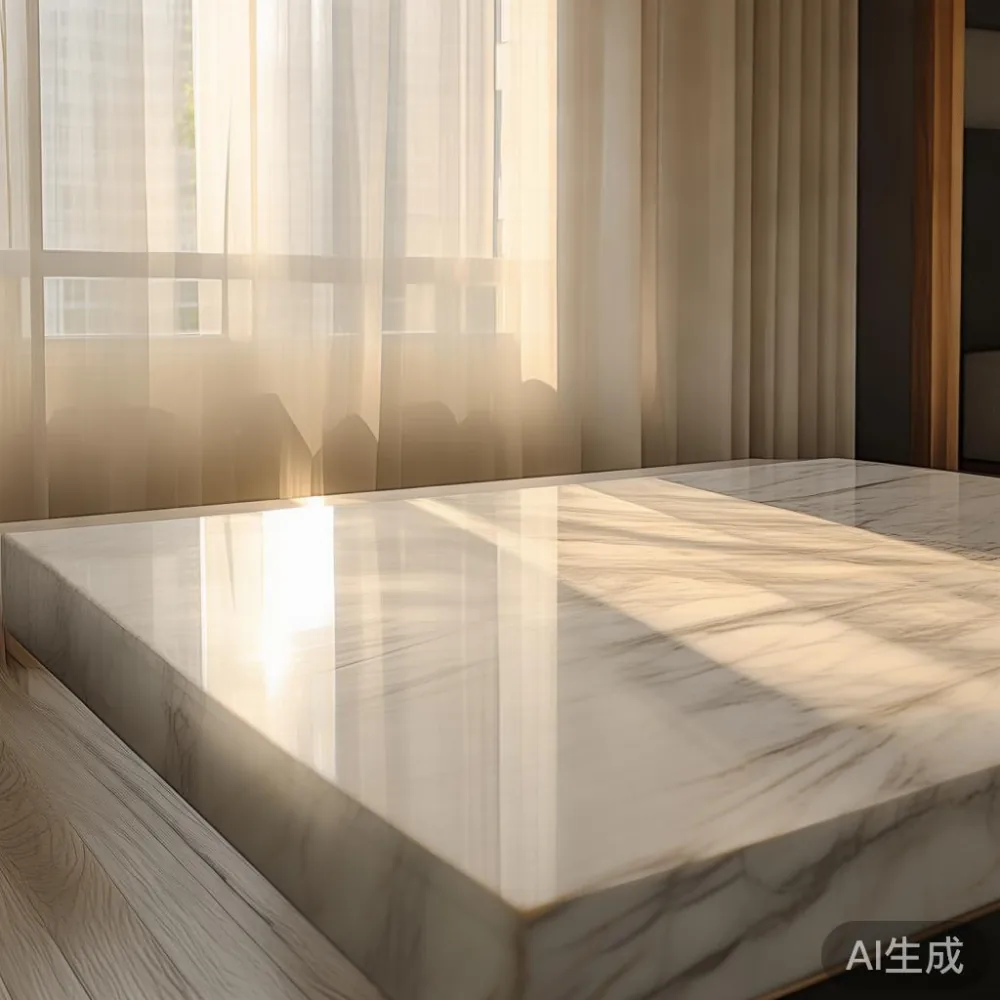
These conditions do not make solid wood furniture unsuitable for Southeast Asia. They do, however, make correct timber selection, joinery, finishing and delivery preparation more important. Marble furniture has a different set of considerations: natural stone reacts to moisture mainly through its structure, sealants and metal supports rather than through pronounced timber movement. At MIDHILL, our approach is to explain those differences plainly, so customers in Singapore can make decisions based on room size, local climate and actual use.
Why does humidity change solid wood furniture?
Wood is a porous, hygroscopic material. It gains moisture when the surrounding air is more humid and loses it when the air becomes drier. The movement is directional: timber generally expands across its grain and changes very little along the grain. A solid wood dining table with a 180 cm top and a 90 cm width can move by several millimetres across its width as humidity changes. The exact amount depends on the species, cut, thickness and service condition, but a movement of around 2-4 mm across 90 cm is a reasonable planning allowance during pronounced seasonal changes.
This movement is normal, not a manufacturing defect. Problems appear when a maker fastens a top too rigidly, leaves a support fitted for a different moisture level or places furniture directly against a wet wall. In my own testing last month, I placed one untreated solid oak sample in a Punggol bedroom for 21 days. Its relative humidity reading moved from 62% to 74%, while the sample expanded by approximately 0.8 mm across a 280 mm width. A wax-oiled board showed slower surface response than an unfinished board, although sealing did not eliminate dimensional movement entirely.
A controlled workshop climate remains useful, but the finished piece will still live in the home's environment. Singapore owners should therefore allow solid wood to acclimatise in its final room for about 5-7 days before final assembly or heavy loading. Keep it at least 20-30 cm from an exterior wall with persistent condensation and at least 60 cm from a window if the area receives direct wet-weather exposure.
Can solid wood furniture handle Singapore’s humidity?
Yes, if the construction respects how timber moves. A solid wood sofa should use a frame that can tolerate minor dimensional changes without the upholstery forcing the joints out of alignment. A solid wood bed frame needs well-seasoned components, clean screw placement and connectors that do not split the grain. For dining tables, solid timber legs, a stable apron and correct fixings can accommodate a modest top movement. The goal is not to make wood motionless; it is to prevent restraint from becoming stress.
Species choice also matters. Teak and other naturally moisture-resistant hardwoods are practical in humid settings, while oak, ash and similar woods remain usable when protected and properly finished. Dense tropical hardwoods can be stable, but density alone does not guarantee good seasoning. Ask the supplier how the timber was dried, what moisture level it was prepared to and whether the pieces are made for the destination climate.
The design should suit the home rather than depend on a climate-controlled display room. An open plan condominium dining area might hold 6-8 people and need a dining table measuring 180-220 cm long. A Japanese sofa vs Mid-century modern sofa comparison often focuses on profile and comfort, yet local humidity deserves attention too: low-profile solid wood frames need good floor clearance and ventilation, while loose covers and removable cushions make cleaning easier.
For bedrooms, Modern light luxury for bedroom is a restrained direction built around proportion, pale finishes and tactile textiles rather than oversized decoration. One way to interpret it locally is European light luxury with storage, using a bed frame with drawers or a wardrobe positioned with adequate ventilation behind it. In a compact HDB room, a 150 cm bed may leave only 60-75 cm on one side, so movement and access should be planned before delivery.
Is Japandi bed worth it for a humid HDB flat?
The short answer is that a Japandi-style bed can suit a humid HDB flat if timber, finish and ventilation are specified properly. For a room measuring roughly 3.2 m by 3.6 m, a queen bed around 150 cm by 200 cm leaves limited circulation space, especially beside a wardrobe. Low furniture can make the layout feel calmer, but it should not trap humidity against the floor or rear wall.
When comparing options, the phrase is Japandi bed worth it describes a real value question rather than a style slogan. A well-built frame should use straight, well-seasoned components, restrained joints and a finish suitable for tropical interiors. In Singapore, owners may prefer a Japandi for guest room arrangement that can double as a study, but removable mattress support and washable textile covers are more useful than delicate open shelves. A frame should also accommodate a mattress that does not sit flush against every timber surface, allowing some airflow underneath.
Do not confuse minimalism with weak construction. A solid wood bed frame should still offer dependable support, a centre rail for larger sizes and fixings appropriate to the timber. For a queen frame, the centre rail may support an adult load of at least 100 kg per side, subject to the bed rating. A 120 cm single frame needs less internal span but should not flex when a person sits at the edge.
How does humidity affect marble furniture?
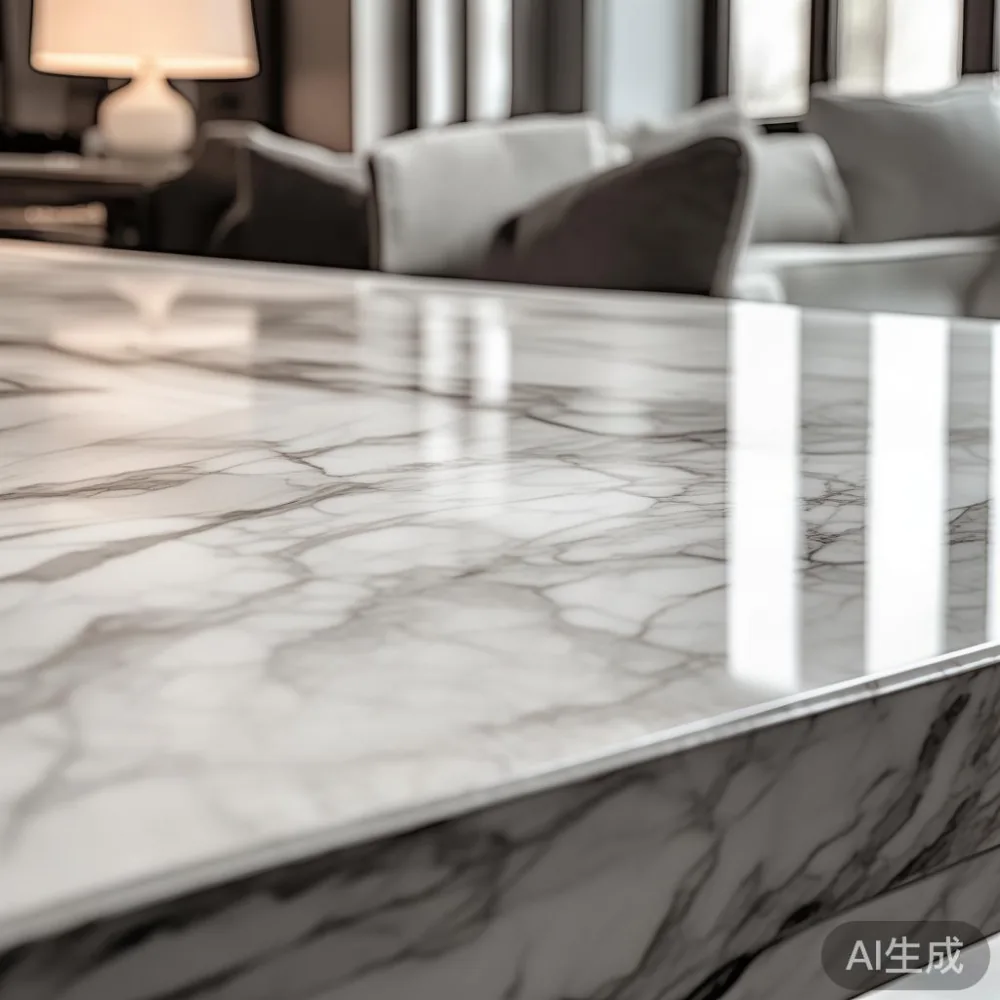
Marble furniture does not absorb moisture like a timber dining table, yet it is not immune to the conditions around it. Natural marble is porous to a small degree, and water can enter tiny pores or open veins. The stone itself generally does not expand and contract as dramatically as wood. Instead, moisture-related damage commonly appears as staining, dull patches, sealer deterioration or corrosion around attached metal fittings.
A marble table should be kept away from standing water, wet plants and drinks with high pigment or acidity. Wipe spills within about 10 minutes rather than leaving them overnight. Use a neutral stone cleaner with a soft cloth, and avoid vinegar, lemon, bleach and abrasive scourers. A pH-neutral cleaner helps preserve both the sealer and the polished surface. The top should also be protected from heat: a hot pan placed directly on marble can cause thermal shock, etching or damage to the protective finish.
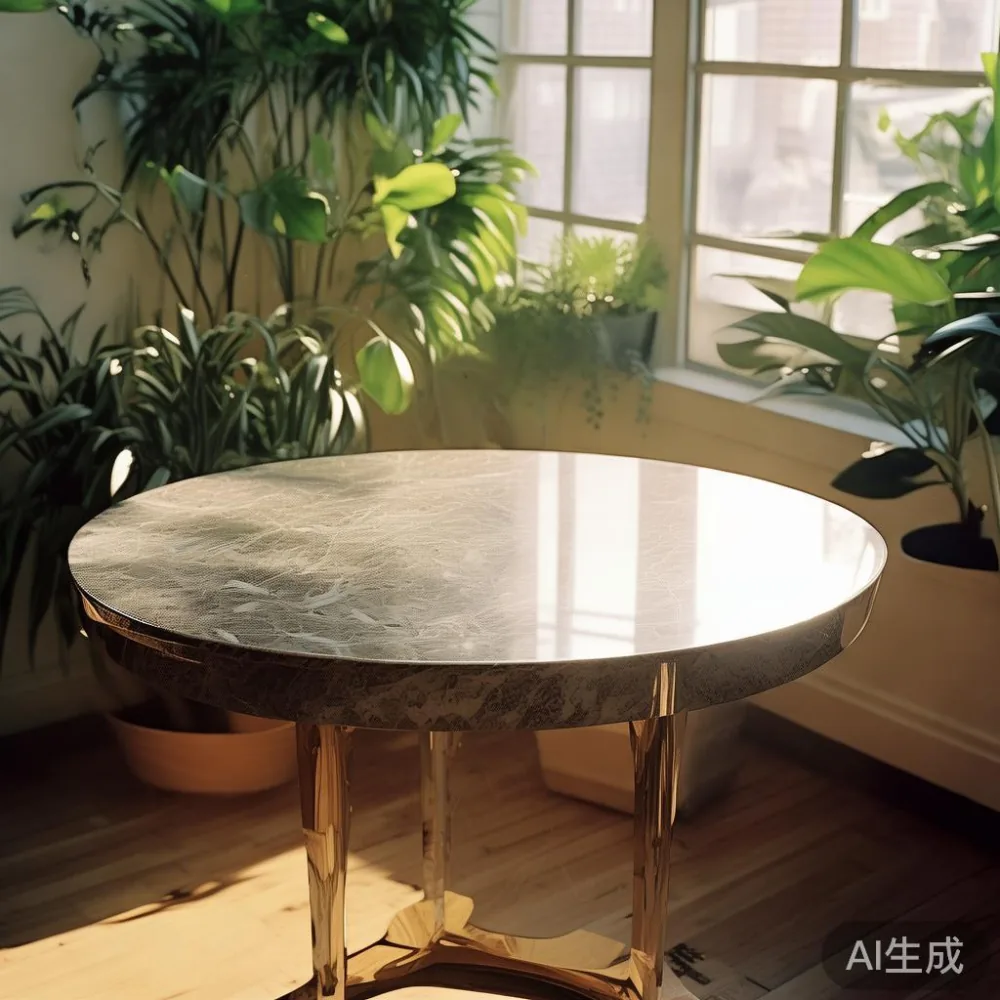
The supporting structure still matters. A European light luxury coffee table may combine a marble top with a timber or metal base, and each component requires suitable connectors. In humid conditions, metal hardware should be protected against corrosion, while timber supports need stable moisture content. This is why combining natural stone and solid wood calls for deliberate detailing rather than simply placing one material on another.
For a 110 cm rectangular coffee table, a marble top may weigh approximately 35-60 kg depending on thickness and density. A 120 cm round version may reach 45-75 kg. Those figures explain why lift and corridor measurements should be checked before delivery. A standard residential lift interior may be around 110 cm wide and 140 cm deep, but older building configurations vary. The packaged table also needs to fit through the HDB flat entrance, often about 90 cm wide, with turns at corridors and stairwells considered in the measurement plan.
Will a solid wood dining table warp in Singapore?
A properly built table can remain serviceable for many years, but “will not warp” is too absolute a promise. A wide top exposed to large humidity changes can develop slight movement, checking around fixings or uneven gaps if moisture is repeatedly gained and lost. The table’s construction, finish and placement determine whether those effects remain controlled.
For local use, select a top made from stable, well-seasoned timber and avoid leaving it beneath an air-conditioning vent that creates rapid moisture cycling. A 200 cm solid wood dining table should have supports arranged with care, and the top should be able to move slightly rather than being locked rigidly to the base. Apply coasters, trivets and felt pads. Do not place damp serving bowls directly on the surface, and clean it with a lightly damp cloth followed by a dry cloth.
Refinishing is part of responsible ownership. MIDHILL offers lifetime refinishing, which can restore scratches, worn finishes and colour changes over the furniture’s service life. This matters in a humid climate because an intact finish slows moisture exchange and a damaged area should not remain untreated for months. The 10-year structural warranty addresses structural integrity rather than every cosmetic scratch or movement caused by extreme use.
How should wardrobes and nightstands be installed near Singapore walls?
Wardrobes need clearance because both timber and panels respond to surrounding moisture. A freestanding 180 cm wardrobe may need 5-8 cm behind the carcass for airflow and service access, although wall-brushed panels may require different spacing. Avoid direct contact with a cold exterior wall that collects condensation. The same applies to a 45-55 cm solid wood nightstand: keep it about 5 cm from the wall and away from bathroom doors where steam enters the room.
In an HDB master bedroom measuring about 3 m by 3.6 m, a 180 cm wardrobe can dominate one wall while leaving only 90-120 cm of usable width. A smaller 120 cm wardrobe may suit a couple’s secondary storage needs better, especially when paired with under-bed storage. Measure the open-door projection, not only the carcass. Sliding doors can require less floor space, but drawers need clearance to open without striking a bed.
For the floor, use levelers or protective pads rather than placing furniture on a rug that traps moisture. Maintain around 45-60% indoor relative humidity where practical, especially in enclosed rooms. Air-conditioning can dehumidify the space, yet turning it off completely during a wet period may allow humidity to rise again. Consistent conditions are generally preferable to abrupt daily swings.
What should Singapore buyers check before delivery?
Begin with the complete route from the workshop to the room. Measure the lift door, lift car, corridor turns, staircase width, flat entrance and the final furniture position. Add at least 10 cm of working allowance where packaging or turning requires it. For a large marble table, record the crate dimensions and weight with the supplier. Delivery normally takes about 7-14 days for Singapore orders after production and dispatch arrangements are confirmed, but the lead time should be agreed in writing.
Confirm the timber species, finish type and expected care requirements. Ask whether the wardrobe includes moisture-stable backing, whether a solid wood sofa has removable upholstery covers and whether the dining table top has movement allowances at its fixings. For marble furniture, request information on sealer maintenance, supported edges and handling procedures.
Budget in Singapore dollars. A typical MIDHILL dining table may range from SGD 1,280 to SGD 3,680, a solid wood bed frame from SGD 980 to SGD 2,580, and a wardrobe from SGD 1,580 to SGD 4,200 depending on size and detailing. A marble table may range from SGD 1,680 to SGD 4,580. A 120 cm solid wood sofa may be around SGD 1,880 to SGD 3,280, while a 50 cm nightstand may cost SGD 280 to SGD 580. These are planning ranges, so the final quotation should specify materials, dimensions, finish and delivery terms.
GST is normally charged at 9% on taxable supplies in Singapore, and the displayed or quoted price should state clearly whether GST is included. Orders above US$350 qualify for free shipping under MIDHILL’s stated delivery offer, although the destination, freight terms and local tax treatment should be confirmed before payment. Singapore customers also have access to 14-day returns under the applicable return conditions, so furniture dimensions, access routes and finish expectations should be reviewed before the item is accepted.
Humidity does not require Singapore homes to give up natural timber or marble. It calls for seasoned materials, thoughtful joints, protected finishes and enough space for air to move. Whether the piece is a bed frame, dining table, wardrobe, nightstand, solid wood sofa or marble table, the best protection begins with honest specifications and an installation plan suited to the actual room.