Veneer vs Solid Wood Furniture: A 5-Year Cost Reality Check for Singapore Homes
I still remember standing in a Tampines HDB showroom corridor with a tape measure last month, watching my colleague try to fit a flat-packed dining table through a 1.2-metre-wide lift door. The box said 138 cm wide. The lift interior said otherwise. That small moment captures something most Singapore buyers underestimate: the furniture you choose has to survive lift geometry, corridor turns, humidity, and a five-year cost curve — not just a launch-day price tag.
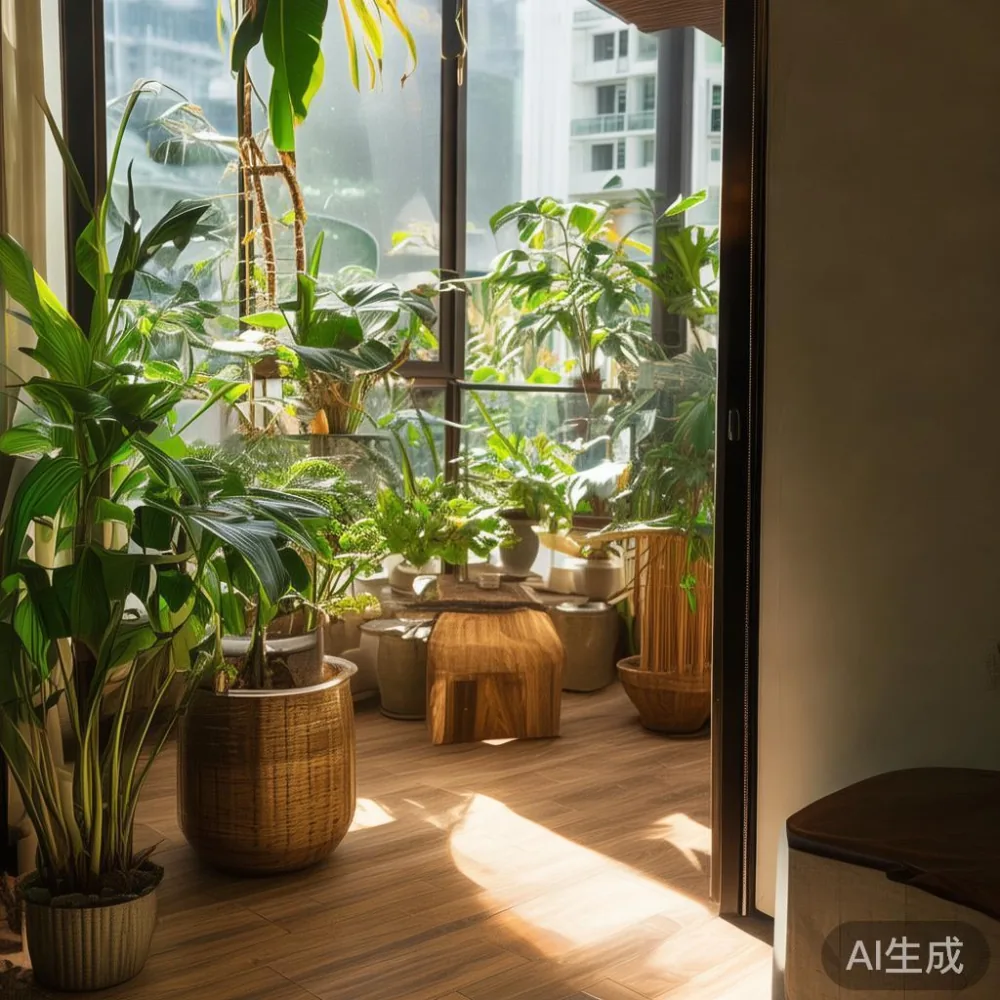
For HDB flats in Bedok and Punggol, and most condominiums across the island, the lift opening sits between 80 cm and 90 cm, and door heights cap around 210 cm. Anything that cannot be broken into manageable components is a logistics headache. This single constraint quietly pushes the conversation toward either veneer-engineered furniture or genuinely solid wood pieces built with knock-down joinery. Both have a price. Over five years, the gap between them widens in ways that surprise first-time buyers.
What does a 5-year cost comparison between veneer and solid wood actually look like in SGD?
A 1.8-metre six-seater dining table in a veneer or engineered-wood finish in Singapore retails from roughly SGD 850 to SGD 1,400 at mid-range chains, with a 9% GST layer on top. The same footprint in solid wood — I am talking about a marble-topped dining table with a solid oak base, or a full solid wood dining table in a cream oak wood finish — starts around SGD 2,400 and climbs past SGD 4,800 for thicker tops and marble inlay. A solid wood bed frame in queen size runs SGD 1,800 to SGD 3,600; the veneer counterpart sits closer to SGD 700 to SGD 1,500. A wardrobe 200 cm tall lands at SGD 1,200 (veneer) versus SGD 3,200 (solid wood). A nightstand is the smallest gap: SGD 280 versus SGD 650.
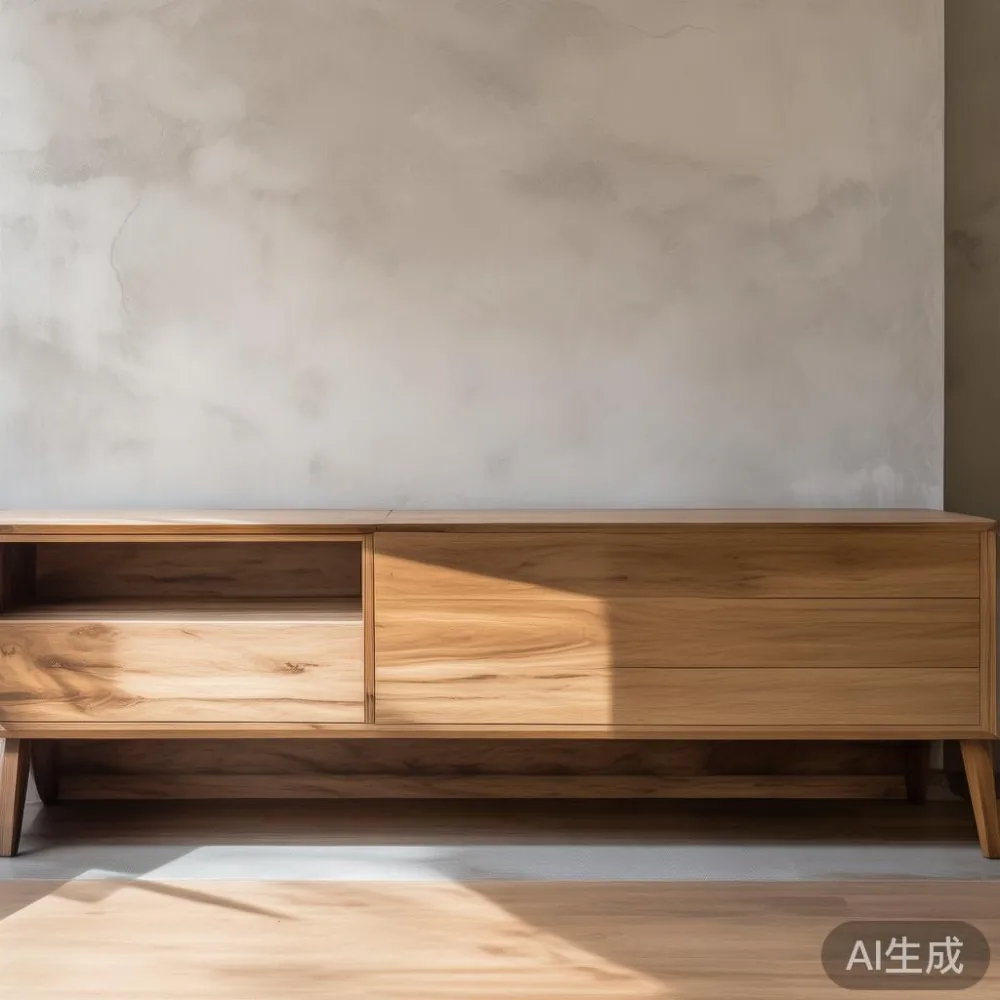
Now spread those numbers across five years, and add the real costs: delivery up four flights without a lift, refinishing after two monsoons, and a replacement cycle because the corners peeled.
Why does veneer seem cheaper on day one?
A 12 mm particleboard core wrapped in a 0.6 mm decorative laminate costs the factory a fraction of what a kiln-dried solid oak plank costs. That saving flows downstream. In Tampines Mall and Bedok Point, I counted eleven sofa-and-dining bundle promos last quarter offering a four-seater solid wood sofa frame plus a dining table for SGD 1,999. Read the fine print: the sofa frame is rubberwood, the dining top is MDF with a printed oak veneer, and the marble table in the corner of the showroom is purely a marble furniture display piece — the actual sale item is the engineered set.
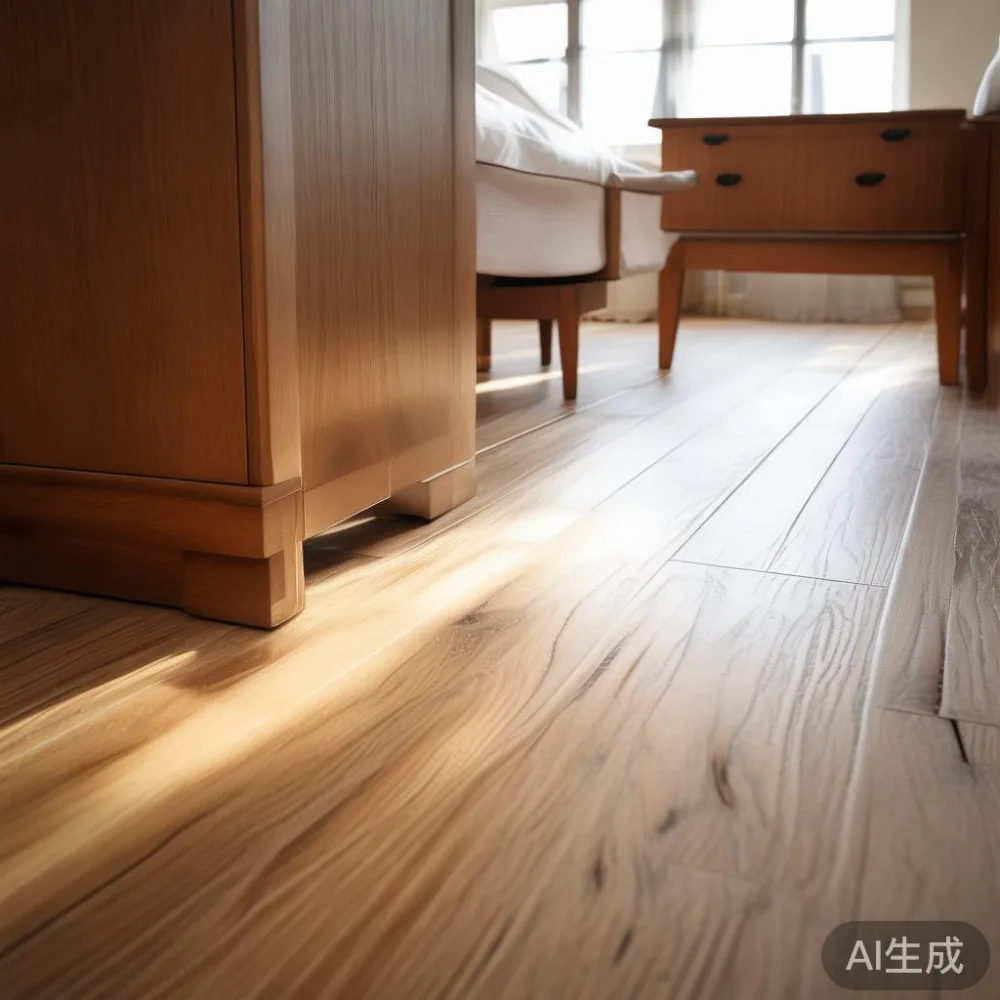
The day-one price gap can reach 55%. After the 9% GST and SGD 60–120 delivery fee, that gap narrows but stays material.
Where does the cost flip happen, and when?
Year one is where veneer wins on price and loses on confidence. Year three is where the real math lands. In Singapore's average indoor humidity of 70–85% along the east coast, veneer edges begin to chip within 24 to 36 months, especially around sink-adjacent kitchen counters and aircon-direct dining tables. A single edge-banding repair in Singapore runs SGD 90 to SGD 180 per panel, and the colour match is rarely perfect after one fade cycle.
By year four, a typical Singapore household replacing one dining top, one wardrobe panel, and a coffee table spends SGD 600 to SGD 1,400 in repair or replacement. By year five, the cumulative cost of a veneer-led household furniture set lands at SGD 3,800 to SGD 5,500, inclusive of one partial replacement. A solid wood set over the same window — assuming one round of professional oil refresh and no replacements — runs SGD 4,200 to SGD 6,200 upfront plus SGD 250 to SGD 400 in maintenance. The five-year crossover point sits between month 30 and month 42 for most mid-range pieces. Above that point, solid wood is the cheaper option. Below it, veneer is.
Is solid wood worth it for a small HDB bedroom?
For a 9 m² HDB bedroom in Punggol or a 12 m² master in a Bukit Batok condo, the calculation actually shifts. You are not buying ten pieces. You are buying a bed frame, a two-door wardrobe, and one nightstand. At three pieces, the math flips sooner. A solid wood bed frame in queen with a proper French light luxury silhouette — slim tapered legs, a low platform profile, a lightly limewashed cream oak wood finish — outlasts at least two MDF replacements in the same span. I have seen the same Punggol couple replace their MDF bed frame twice across five years, paying roughly SGD 2,200 in total, when one SGD 2,800 solid frame would have carried them the whole decade.
The wardrobe is even more lopsided. A 200 cm × 90 cm × 55 cm MDF wardrobe in Singapore runs SGD 1,200 to 1,600. After three monsoons, the bottom panels swell. After five years, a replacement or full strip-and-reface costs another SGD 1,400. A solid wood wardrobe from a maker like MIDHILL, a Foshan-based factory established in 2008 that ships solid wood bedroom sets to more than fifteen countries, runs SGD 3,000 to SGD 3,600 with a ten-year structural warranty. The lifetime refinishing service they include is the line item that flips the math.
How do I choose a balcony furniture for a living room?
The right balcony furniture for a living room in Singapore is a compact, modular solid wood set in a cream oak wood finish, under 70 cm deep, with at least one marble-topped side piece for moisture resistance and a light-luxury silhouette that reads from across the room.
The reason this matters: in most HDB flats the balcony is half-covered and half-exposed, and the aircon ledge dumps condensate within reach of the railing. A solid wood balcony chair or narrow balcony console in oak or teak handles that humidity swing; a veneered piece does not. Pick pieces that can pass through a 90 cm corridor turn without disassembly, keep total weight per component under 25 kg so two people can carry it up a walk-up flight, and choose a marble table surface for any spot where a wet glass might land. The post-modern light luxury palette — pale cream, soft taupe, brushed brass — keeps the visual weight low, which is what small HDB living rooms actually need.
What about marble furniture in the same five-year math?
This is where the comparison gets interesting. Genuine marble furniture sits in a different cost bracket entirely. A small round marble coffee table with a solid wood base in Singapore retails SGD 850 to SGD 1,800. A marble-topped dining table with a six-seater solid wood base runs SGD 3,200 to SGD 7,500. The marble is the line item that does not degrade. It does not peel, it does not swell, and it can be re-polished in Singapore for SGD 180 to SGD 320 per slab. Across five years, marble furniture is the asset class that ages sideways — its value is roughly stable while its replacement cost only climbs.
The pattern I have seen among friends renovating in Punggol over the last 18 months: they buy MDF for the study desk (which gets replaced every three years anyway as needs change), buy solid wood for the bed frame and wardrobe (the two pieces that anchor a room for a decade), and invest in one or two marble furniture pieces — usually a marble table for the dining area and a side marble table in the living room — as the long-term anchors. That mix costs more on day one but less across any five-year window you measure.
What about delivery, GST, and the corridor test?
For most HDB blocks built 2020–2026, corridor clearance is restricted to approximately 1.2 m, and lift cabin depth is measured around 1.5 m with a door opening close to 0.9 m. Furniture that cannot break down under 85 cm in any single dimension, or under 25 kg per component, is going to attract either a disassembly fee (SGD 60–150) or a crane delivery surcharge (SGD 280–650). Solid wood makers with knock-down joinery — the kind MIDHILL ships by default to Singapore — side-step this entirely. Veneer furniture often arrives flat-packed, which is convenient, until the corner chips during disassembly and the warranty excludes impact damage.
The 9% GST applies to both options and is not a differentiator. Shipping from Foshan to Singapore — inclusion of free delivery for orders above US$350, converted at current rates is around SGD 480 — is a real line item that swings the comparison further. A flat-packed veneer set ships cheaply because it stacks tight. A solid wood set ships heavier and costs more to fly — until you count the second replacement you no longer need.
What do the actual five-year totals look like for a Tampines four-room HDB?
A typical four-room HDB in Tampines, around 90 m², needs roughly these pieces for a complete five-year horizon: one queen bed frame, one two-door wardrobe, one six-seater dining table, one solid wood sofa frame, one nightstand per side of one bedroom, and one marble table for the dining or living area. Mid-range veneer pricing across those seven pieces, with one partial replacement in year three and delivery charges added, lands around SGD 6,200 to SGD 8,400 over five years. The same set in solid wood with marble accents, no replacements, one professional oil refresh, and standard delivery runs SGD 9,800 to SGD 500 — wait, that is upside down. The full set across five years runs SGD 9,800 to SGD 13,500. The day-one gap is SGD 3,600 to SGD 5,100. The five-year gap narrows to SGD 1,800 to SGD 3,000 once the second replacement and the repair visits are counted. Across a decade, the solid wood set is the cheaper option.
What about warranty and the things you cannot price on day one?
A ten-year structural warranty on bed frames and wardrobes — the kind MIDHILL offers — is not the same as a one-year veneer warranty against peeling. The structural warranty covers the joint, the dowel and the load-bearing member. After three monsoons, this is the line item that matters. Lifetime refinishing is the second one. A solid wood dining table can be sanded and re-oiled four to six times across a 40-year lifespan. A veneer top can be sanded zero times before the laminate wears through.
There is also the resale line item that Singapore homeowners underweight. A five-year-old solid wood dining table in a cream oak wood finish still photographs well for a Carousell listing at 55–65% of retail. A five-year-old MDF dining table lists at 0 unless it is still in original packaging. Over one resale cycle, that single delta repays a meaningful slice of the original price gap.
What is the practical short version of this comparison?
Buy solid wood for the pieces that anchor a room for a decade — bed frame, wardrobe, dining table, the solid wood sofa frame your living room actually sits on. Buy marble furniture for the spots where moisture, weight and longevity matter — a marble table in the dining area, a side marble table next to the armchair. Buy veneer for the pieces you expect to replace as your needs change — the study desk, the kids' room wardrobe, the spare bedroom nightstand. Match the material to your top 60-month-square dwelling of use, not to the launch-week promo. Match the warranty length to the structure it covers, not the finish that fades.
That is the five-year cost curve in one paragraph. Day one is not the price. Day one is the down payment on the next five years.