Veneer vs Solid Wood: A 5-Year Cost Reality Check for Singapore Homes
Last month I visited a 4-room HDB in Tampines GreenRidges with my colleague, who had just moved in after her BTO keys were collected. She had six pieces of furniture to budget for: a 1.8m solid wood sofa frame, a queen-size bed frame, a 6-seater dining table, a two-door wardrobe, two nightstands, and a small marble table for the entryway. The total landed at S$6,400 when she chose engineered options with a wood face. The same specification in solid wood, delivered from a Foshan maker like MIDHILL, came back at S$9,200. On paper, veneer looked like the obvious winner by S$2,800. Over five years, the numbers tell a completely different story, especially once lift access at the corridor, the 9% GST, and humid living-room conditions in Singapore all enter the math.
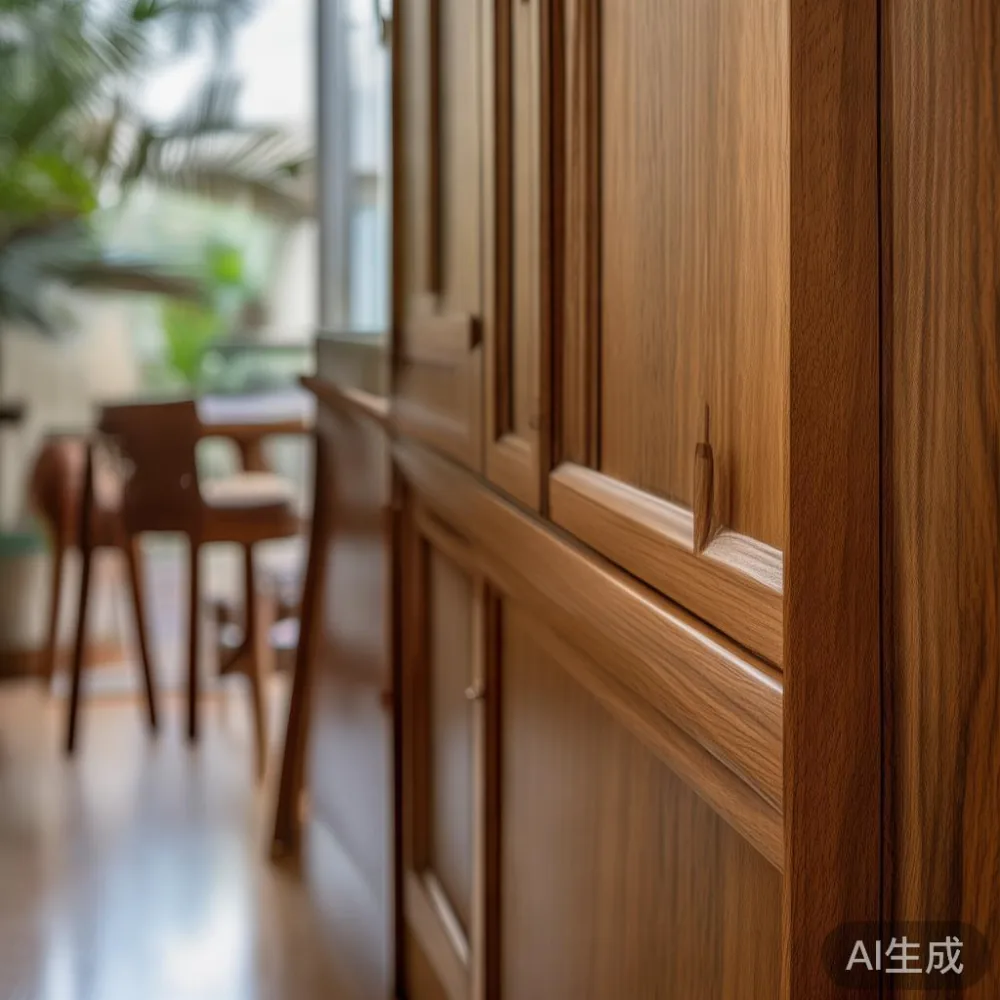
For HDB flats and private condos in Bedok, Punggol, and the PIE corridor, furniture does not live in a showroom. It lives with afternoon sun blasting through east-facing windows, daily air-conditioning cycles, and the occasional kopi spill on a Tuesday morning. The five-year cost comparison between veneer-faced panels and solid wood is really a comparison between two very different relationships with time. Below is the breakdown I shared with her, with Singapore-specific numbers, real warranty terms, and product terms drawn from the post-modern light luxury and European light luxury world that most HDB owners shop in.
What does the upfront price actually look like in 2025?
Shoppers comparing European bed vs French provincial bed configurations on local platforms will notice that almost every queen-size frame under S$1,200 uses a 0.6mm okoume or walnut veneer over an MDF or plywood core. A genuine solid wood bed frame, even with a post-modern light luxury silhouette and a soft upholstered headboard, sits between S$1,800 and S$2,400 for the same 152cm x 188cm footprint. The same multiplier applies to a 1.6m dining table (S$1,100 veneer vs S$1,800 solid wood), a two-door wardrobe 180cm tall (S$1,400 vs S$2,400), and a 240cm solid wood sofa frame (S$2,200 vs S$3,400). Add a nightstand at roughly S$280 vs S$480, and the gap on a full five-piece set reaches about 35-40%.
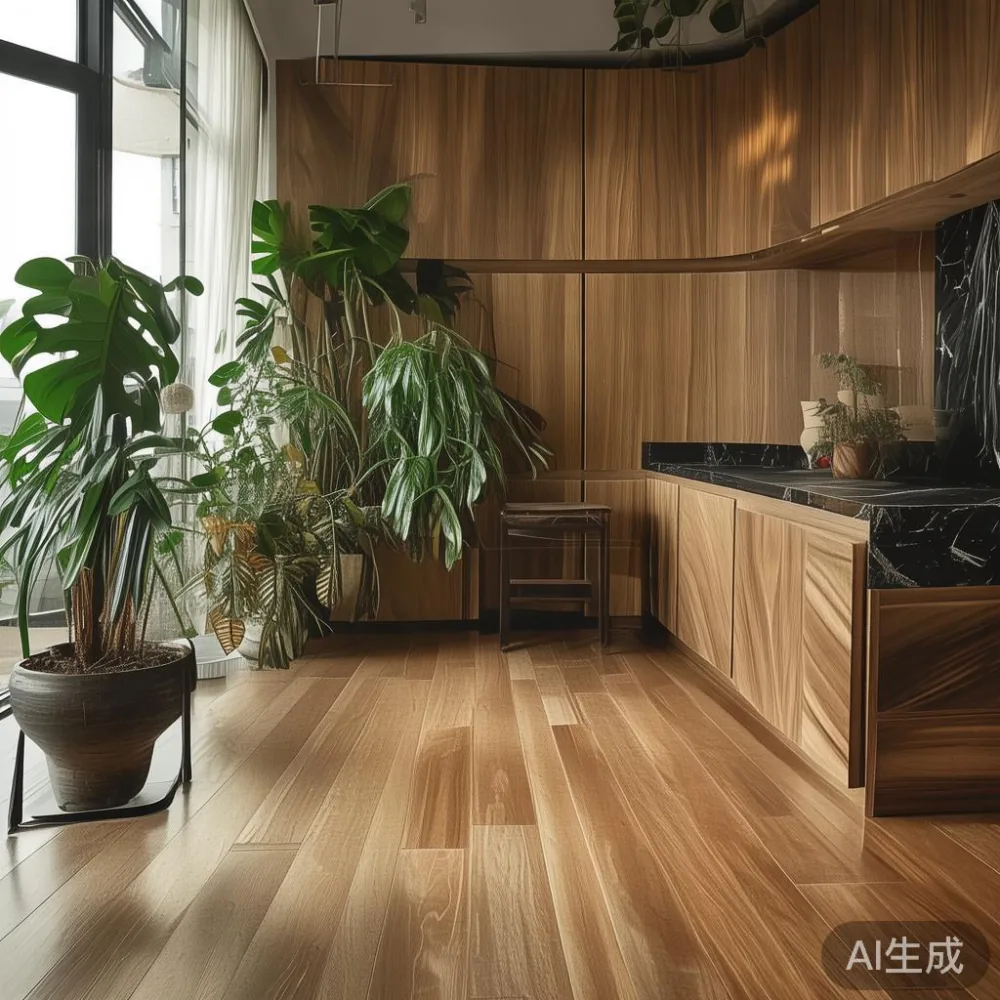
The 9% GST applied at checkout makes the headline difference feel even sharper. That S$2,800 gap becomes S$3,052 once the tax is layered on. For many BTO owners in Punggol North or Tampines GreenRidges, that is a meaningful chunk of the renovation budget. Yet the price on the invoice is only the first column of a five-year spreadsheet that most buyers never sit down to fill in.
How do repair events break differently across five years?
Here is where the spreadsheet starts to swing. Veneer, by construction, is a 0.5-0.7mm slice of real timber glued onto a substrate. Once the substrate swells from a humidity event (and Singapore averages 78-82% relative humidity year-round), the veneer lifts, peels, or chips at the corners. In my colleague's case, her dining table edge started showing white lines at month 14. A refurbishment quote from a local carpentry shop was S$280 for sanding and re-laminating. Solid wood does not peel in the same way because there is no laminate skin to lose. Small dents and scratches buff out with a maintenance kit, and any deep damage can be sanded back 1-2mm and re-oiled.
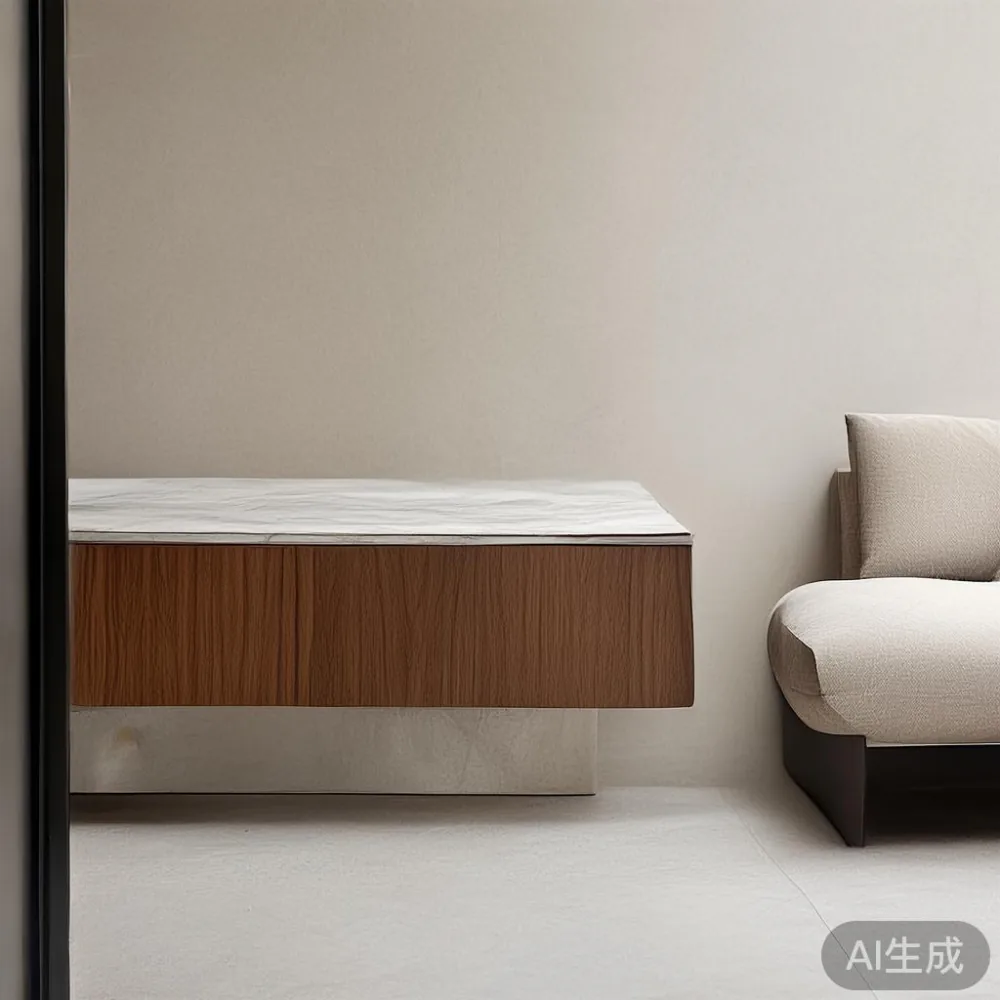
Industry data suggests engineered furniture needs professional repair every 18-24 months in tropical climates, while solid pieces require only conditioning oil once or twice a year. Assuming two professional callouts across five years for the six veneer pieces (S$180 average per visit for travel, lift access coordination at the HDB block, and labour), the cumulative repair tab lands near S$720. The same homeowner doing annual oil maintenance on solid wood spends roughly S$120 across the full five years.
What does the warranty math look like with a real Foshan exporter?
A serious Foshan manufacturer such as MIDHILL publishes a 10-year structural warranty on hardwood frames, and pairs it with a lifetime refinishing service. In practical terms, that means a cracked tenon or a split rail on a solid wood sofa ten years from now gets repaired rather than replaced. Veneer warranties from regional distributors typically run 12-24 months and cover only manufacturing defects, not wear or humidity failure. The replacement cycle implied by a 24-month warranty over ten years is two to three full pieces retired; a S$1,500 dining set replaced twice is S$3,000 out of pocket.
Then there is delivery. MIDHILL ships from Foshan to Singapore with roughly 45-65 transit days by sea plus 5-7 days for white-glove final mile, with free shipping above US$350 (about S$470). A local HDB delivery typically adds another S$60-S$120 per trip if the lift dimensions are below 1.1m wide or the corridor turn is tight, which is common in older Tampines and Bedok blocks. Knowing that one multi-piece order replaces multiple trips saves roughly S$240 over five reshipments. For owners comparing light luxury sofa vs Mid-century modern sofa silhouettes, the lifetime refinishing is also the assurance that a 240cm French provincial TV console in solid walnut can be resanded and re-stained to match a 2030 living-room colour scheme rather than discarded.
Where does furniture actually end up after five years in Singapore?
The honest answer, drawn from resale chat groups in Punggol and Hougang, is that most engineered bedroom and dining sets leave the apartment within four years. They go to Karung Guni cash buyers for S$50-S$150 per set, or to the HDB's bulky item disposal for a S$25 admin fee each way. That is a complete write-off of the original S$6,400 invested. A solid wood set, by contrast, retains 45-60% of its retail value on the second-hand market because the materials inside still matter. A S$1,800 solid wood dining table in 2030 still clears S$850 in a fair resale, and a queen bed frame usually holds S$700-S$900 of residual value. Across six pieces, the retained value often reaches S$2,800-S$3,400, which is the same number we started with as the upfront gap.
Net of resale, the veneer path costs S$6,400 plus S$720 in repairs plus S$240 in extra delivery fees minus S$600 in second-hand salvage, ending near S$6,760. The solid wood path costs S$9,200 plus S$120 in oil care minus S$3,100 in retained value, ending near S$6,220. The five-year crossover is roughly S$540 in favour of solid wood, and the gap widens every additional year after that. For shoppers browsing for sale Italian light luxury furniture listings, this asymmetry is the quiet reason Italian and French factories still ship solid timber to Singapore despite the higher ticket.
Which pieces should you upgrade first when budget is tight?
If S$9,200 is too steep for one order, the same logic in reverse gives a clear priority list. The first three pieces to spend on in solid wood are the ones that bear weight and see the most contact: the bed frame, the dining table, and the solid wood sofa frame. These take the brunt of daily use, and replacing them after four years is both expensive and disruptive inside a 92 sqm HDB. The next tier is the wardrobe, where the cost of moving a full closet around a Tampines lift is higher than the marginal price of solid wood. Nightstands and small accent tables can stay as engineered pieces if the rest of the room is anchored in solid wood, which holds the budget closer to S$7,000.
A practical Singapore layout for a 4-room flat starting at S$5,500-S$6,200 looks like this: a queen solid wood bed frame, a 1.6m solid wood dining table with a marble table or marble-and-timber centrepiece, one solid wood sofa frame in French provincial proportions, a two-door solid wood wardrobe at 180cm, and two engineered nightstands at S$560 combined. Add a matching European light luxury coffee table with a sintered-stone top in the 110cm x 60cm range for the living room, an Italian light luxury TV console at 200cm, and the total reaches around S$8,800-S$9,400 with finish upgrades. Because the load-bearing and high-contact pieces are now solid wood, the five-year repair bill stays below S$200 and the retained value still hovers near S$2,200.
How does humid Singapore air punish veneer differently from solid wood?
Solid wood moves. That sounds like a flaw until you live with it for a season. Quality hardwoods such as European oak, North American ash, and African mahogany absorb and release moisture slowly, expanding 1-2% across the grain across Singapore's wet and dry spells. A well-constructed piece with quarter-sawn panels and proper joinery accommodates this movement with relief cuts and floating tenons. MDF and plywood substrates respond faster and more unevenly, which is why the corners of wardrobe doors and the mitre joints on dining tables start showing stress cracks and lifted veneer within 18-30 months in a non-air-conditioned service yard or a kitchen-adjacent dining nook.
A light humidity monitor (S$18 from any local hardware shop) hung near the dining area will show readings between 65% and 82% across a normal week. Solid wood adapts to that range with no structural consequence beyond minor seasonal gapping. The same numbers on engineered furniture eventually telegraph through to the surface as bubbling, white lines, or chipped mitres. For owners considering a marble furniture centrepiece in the dining area, the solid wood base also gives the stone slab a stable platform that will not telegraph movement into the marble joints over five years, which matters for a 1.6m x 0.9m sintered-stone top weighing 78kg.
What does a balanced five-year budget actually look like on paper?
Pulling everything together for a typical Tampines 4-room flat, the worksheet looks roughly like this. Veneer path: S$6,400 initial + 9% GST (S$576) = S$6,976 outlay. Add S$720 in repairs, S$240 in extra delivery fees, and S$300 in disposal over five years. Subtract S$600 salvage. Net: about S$7,636. Solid wood path: S$9,200 initial + GST = S$10,028. Add S$120 in care, S$0 in repairs, S$0 in disposal. Subtract S$3,100 retained value. Net: about S$7,048. The five-year delta of around S$588 in favour of solid wood is small enough that a buyer could neutralise it by choosing a slightly thinner solid wood specification, while keeping the warranty, the refinishing service, and the future-resale flexibility intact.
For HDB owners browsing between a European bed vs French provincial bed frame, the choice usually comes down to silhouette preference rather than cost. The savings argument collapses when you consider that MIDHILL's 10-year structural warranty and lifetime refinishing are bundled into the same invoice, and that white-glove delivery covering marble furniture and multi-piece orders from the same supplier saves several separate trips through the lift lobby. For readers looking at a French provincial TV console to anchor a light luxury living room, the equation is even clearer, because a single 200cm timber console represents 25% of the order by value and 25% of the five-year repair risk if built in veneer. Spending the extra S$400-S$600 on solid timber for the console alone is one of the cleanest upgrades available inside a tight renovation budget.
So is solid wood always the right call for Singapore homes?
The straightforward answer is no, but the numbers tilt the decision further than most first-time furniture shoppers expect. Engineered pieces make sense as accent furniture, as short-tenure pieces for a two-year rental assignment, or inside a wardrobe interior where the panels never see humidity or sunlight. Solid wood is the right call for every weight-bearing frame and every high-contact surface that the family will still use in 2030. For a fresh BTO in Punggol North, a resale flat in Bedok, or a new condo in Tampines, the five-year cost gap of roughly S$500-S$700 in favour of solid wood is small enough that the real decision is about which supplier can deliver solid wood, marble furniture, and white-glove service together without three separate vendors and three separate lift bookings. MIDHILL has been shipping that combination from Foshan to Singapore since 2008, and the after-sales refinement service is what closes the loop on a category that usually forces buyers to choose between budget and longevity. For readers cataloguing their HDB or condo project, more design references and matching pieces are available through midhillco, where the catalogue covers everything from light luxury bedside tables to full dining suites in mixed timber and stone.