What Actually Drives the Price of Solid Wood Furniture
I learned the hard way that a "solid wood" label on a price tag can mean very different things. Last month I visited a friend in her new 4-room HDB flat in Punggol, and we spent a Saturday moving furniture in: two dining chairs from a neighbourhood shop in Tampines, and a 1.6 m dining table she’d ordered online. The chairs were light — almost suspiciously light for wood — and one of the cross-stretchers cracked when my colleague leaned back during lunch. Her table, by contrast, took two of us to carry and has sat flat through three months of afternoon rain drumming against the balcony door. Same label, very different price, very different experience. If you’re furnishing a Singapore home and trying to understand why a solid wood bed frame costs SGD 1,200 at one shop and SGD 3,800 at another, the answer lives in five places.
Is Post-modern nightstand furniture worth it?
Yes — when the nightstand is built from solid ash or oak with dovetailed drawer boxes, soft-close slides, and a finish you can refinish years later, the higher price pays for furniture that survives a decade of HDB moves, not months of use. A post-modern nightstand in this category typically runs SGD 480 to SGD 950 in Singapore, versus SGD 180 to SGD 280 for hollow-core or MDF versions that begin to sag at the drawer corners within two years. The premium covers joinery, wood grade, and finish quality — three things you cannot see in a product photo but feel every time you open the drawer at 2 a.m.
The wood itself: species, grade, and how much of the piece is actually solid
The single biggest driver is what’s inside the timber. Solid wood furniture should mean the load-bearing parts — legs, rails, frame, sometimes the full tabletop — are cut from a single piece of board, not glued from fibres or veneers. Oak and ash dominate the higher end because they’re dense (around 700–750 kg/m³), resistant to warping in our 80–90% humidity, and they take a clean post-modern light-luxury profile with subtle curves rather than ornate carving. Pine and rubberwood sit lower in the price stack: rubberwood in particular is widely used in Southeast Asian production because it’s fast-growing and around 30–40% cheaper per cubic metre, but it dents more easily and darkens under sunlight, which matters when your Tampines corridor-facing bedroom gets two hours of direct morning light.
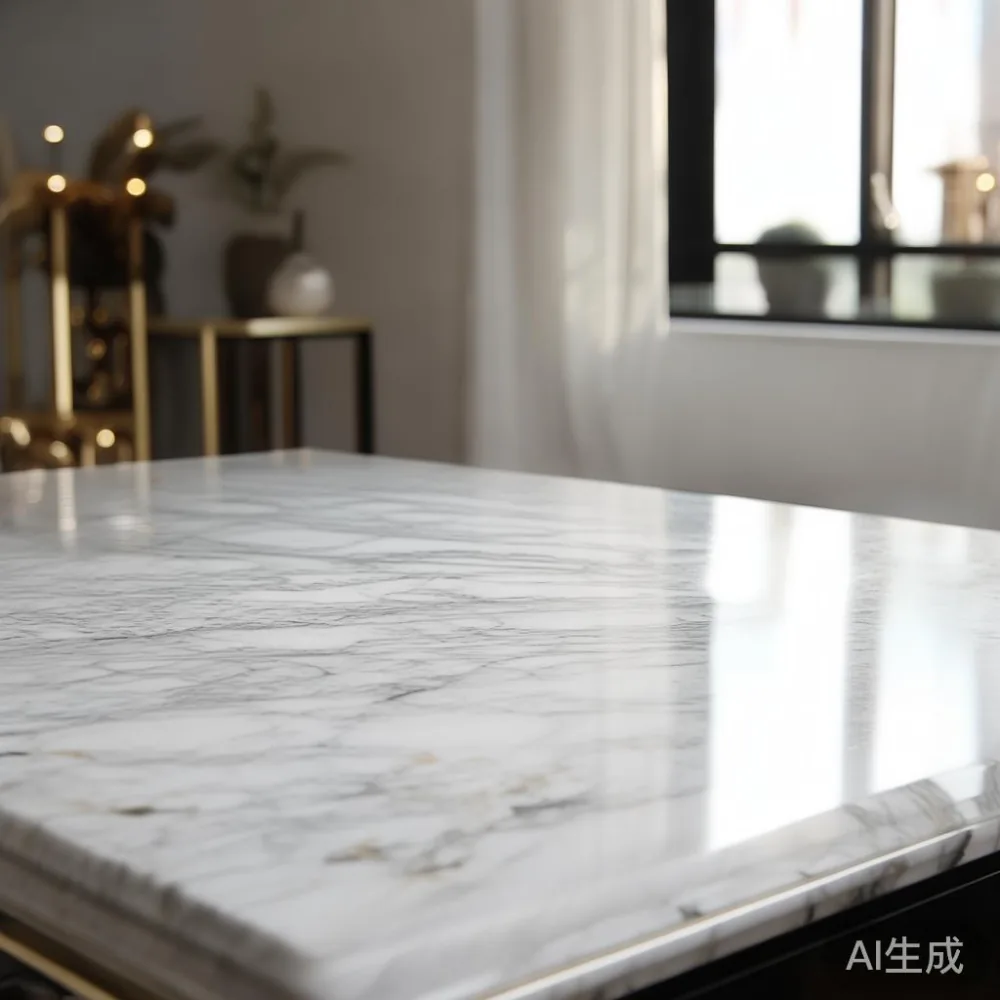
Then there’s grade. FAS (First and Seconds) timber — the top grade under NHLA rules used in North-American sourcing — has long, clear sections with few knots. A dining table top built from FAS ash will have almost no interruptions in the grain, which is what gives a marble-furniture showroom pairing that calm, continuous look next to a veined marble table. Lower grades (Common & Selects, or No. 1 Common) introduce more knots and shorter clear sections, so manufacturers cut smaller pieces and glue them up — that’s how you end up with a "solid wood" table that’s actually eight short boards finger-jointed together. Both are technically solid; one will move and crack less over ten years.
Joinery: the part nobody photographs but everything depends on
If you ask a maker what separates a SGD 2,400 bed frame from a SGD 900 one, they’ll talk about joinery before they talk about wood. Mortise-and-tenon, dovetail, finger joints, and through-tenons with wedged pins are the structural vocabulary of long-life solid wood furniture. A solid wood bed frame joined with dowels and pocket screws can be assembled in 20 minutes and disassembled in 5 — useful for tight HDB lift doors of around 1.0 m wide by 2.0 m tall — but the joints loosen over time as the wood breathes.
By contrast, a dovetailed drawer on a wardrobe — even a small 60 cm-wide nightstand drawer — adds maybe SGD 40–80 in labour per drawer, but the mechanical interlock resists pulling forces in every direction. That’s why a 2-door wardrobe with four dovetailed drawers costs what it costs. Hardware matters too: soft-close hinges from brands like Blum or Hettich add roughly SGD 25–45 per door over a basic hinge, and full-extension drawer slides run SGD 35–70 per drawer. Multiply that across a 4-door wardrobe and you’re easily at SGD 400 of hardware alone — before a single board is cut.
Finish: lacquer, oil, or wax, and why it changes the price twice
Finish shows up in the price twice: once in the material, and once in the labour hours. A closed-pore multi-layer lacquer — the deep, mirror-like sheen you see on French light-luxury pieces — needs 5 to 7 coats with sanding between each, plus a controlled spray booth. In Foshan workshops producing for export, that’s roughly 3–4 working days of finishing time per dining table. An oil-and-wax finish, popular in American light-luxury and Scandinavian-Japanese crossover styles, is quicker to apply but the wood needs re-oiling every 12–18 months in Singapore’s humidity.
Finish also determines whether the piece is repairable. Lacquered surfaces chip sharply when struck; oiled surfaces absorb small scratches into the patina. A maker offering lifetime refinishing — sanding back to bare wood and reapplying — can turn a 10-year-old dining table back into something that looks new. That service isn’t free to provide, so it’s quietly built into the upfront price. Solid wood sofa frames finished in the same way last longer for the same reason: the joinery is sealed against moisture swings between your air-conditioned living room (often 23–24°C, 50% RH) and the corridor outside.
Size, proportion, and the Singapore-specific constraints you don’t see on the website
A standard HDB corridor is about 1.2 m wide, and lifts in older blocks measure roughly 1.0 m × 1.4 m with a 2.0 m ceiling. A 2.2 m wardrobe won’t fit standing up. Makers who understand the Singapore market design pieces with proportions that ship flat-packed or in modules under 1.9 m long — and that constraint shapes cost. Thicker boards over 35 mm become harder to source in stable, kiln-dried form; a 40 mm tabletop in solid ash can be 25–35% more expensive than a 25 mm one because drying that thickness without internal checking takes much longer in the kiln (sometimes 4–6 weeks versus 10–14 days for thinner stock).
Weight is the hidden cost. A 1.8 m solid ash dining table typically weighs 55–70 kg. A marble table of the same length, with a stone top on a wood base, can hit 90–110 kg. Delivery charges in Singapore reflect that — single-trip delivery with two men and a lift-assist truck from a warehouse in Sungei Kadut to a Punggol flat runs around SGD 80–140, and goes up after 6 pm or on weekends. Some makers absorb shipping above a threshold (over US$350 in international orders is common in the Foshan export model); for local purchases, free delivery usually kicks in above SGD 800–1,200. Knowing where the line sits before you check out matters more than a 5% discount.
Design origin, brand overhead, and what “light luxury” actually costs to produce
“Light luxury” — the French-inspired, American-soft, or post-modern light-luxury aesthetic you see paired with marble furniture in showroom lookbooks — isn’t just a marketing label. It drives specific production choices: tapered legs turned on a lathe rather than cut square, radiused edges instead of sharp 90° corners, and very tight tolerances on gaps between doors and drawers (often 1.5–2 mm, versus 3–4 mm in budget production). Hitting those gaps consistently requires better machinery, more setup time, and more inspection.
For example, a Japandi ash wood fabric sofa in this category combines a solid ash frame (visible at the legs and armrest structure) with a removable, washable linen-blend cover — usually 60–70% linen, 30–40% cotton for abrasion resistance. The upholstery work alone takes 6–8 hours per sofa in a skilled workshop. Compare that to a flat-packed fabric sofa where the frame is plywood and the cover is zip-on: production time drops to under 90 minutes, and so does the price — and the expected service life.
Brand overhead is real but smaller than people think in the solid wood category. A maker exporting from Foshan to 15+ countries since 2008, with a 10-year structural warranty and lifetime refinishing on offer, is running at a different scale than a single-shop carpenter in Bedok. MIDHILL sits firmly in this export-grade tier, and the pricing reflects the volume buying of kiln-dried timber, in-house metalwork for legs and brackets, and the QC pass rate that comes with repeated orders rather than one-off commissions. When you see a piece from a maker like this at SGD 2,600 for a queen-size solid wood bed frame versus SGD 4,200 for a designer-retailer equivalent, the gap is mostly the showroom rent in Orchard, not the wood.
What a fair price looks like in Singapore, right now
Here are ranges you can sanity-check against any quote, including 9% GST:
- Solid ash or oak dining table, 1.6–1.8 m, 6-seater: SGD 1,800–3,400
- Solid wood bed frame, queen size, with slats: SGD 1,200–2,800
- 2-door wardrobe, 120 cm wide, solid wood frame with veneered panels: SGD 1,600–3,200
- Nightstand with one drawer and one shelf, solid ash: SGD 380–780
- Solid wood sofa frame, 2.5-seater, fabric upholstered: SGD 1,400–2,800
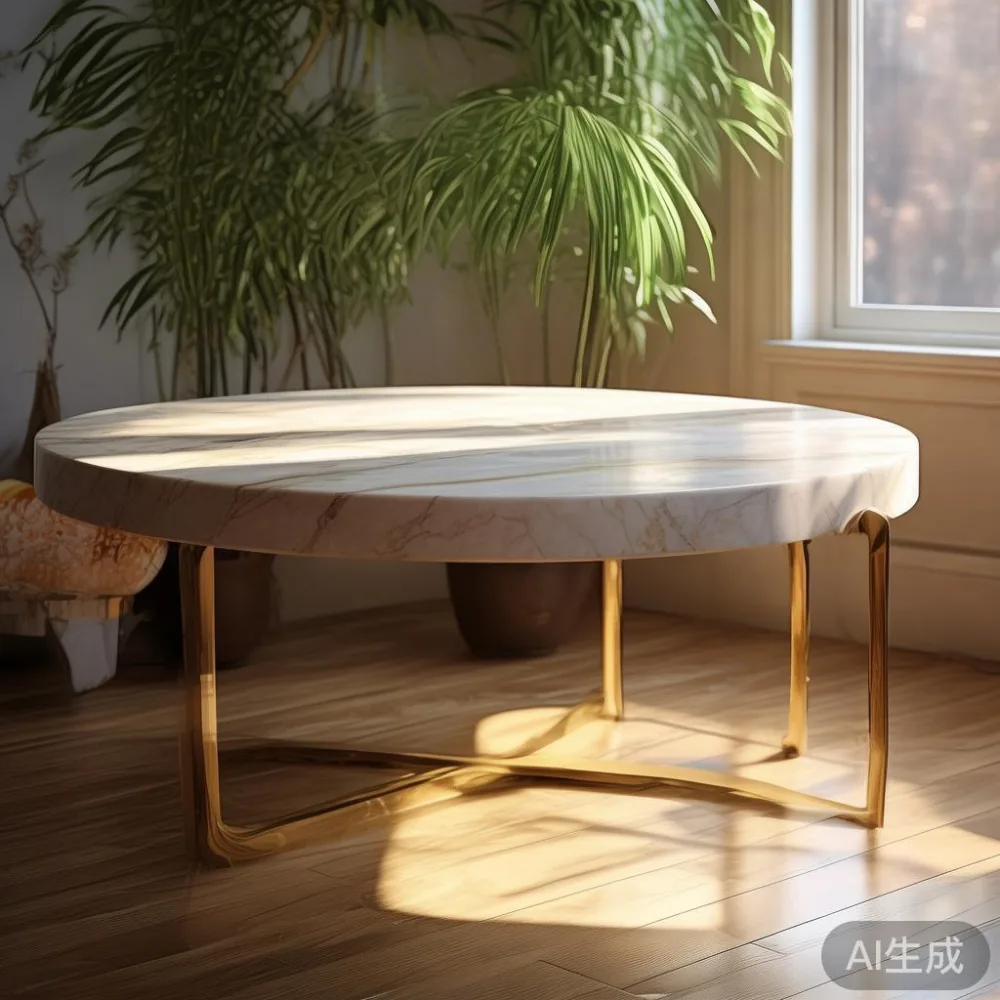
- Marble table, 1.2 m round, sintered stone or natural marble on solid wood base: SGD 1,200–2,600
- 6-piece dining set (table + 4 chairs + bench) in solid ash: SGD 3,200–6,000
If a quote is 40% below these bands, something is being cut — usually the wood grade, the joinery, or the finish. Ask which one. A good showroom in Singapore will tell you the wood species, the country of origin (Foshan, Vietnam, or Malaysia for many of these), and whether the panels inside the wardrobe carcass are solid, plywood, or MDF. If they can’t answer those three questions in 30 seconds, the warranty won’t matter when the drawer bottom sags in year three.
How to read a price tag without getting sold to
Three quick checks before you pay a deposit. First, weigh the piece in your mind: a 1.8 m solid ash table under 40 kg is using thin stock or hollow sections; the real number is 55–70 kg. Second, open every drawer and look at the corners — dovetails are visible, dowels are usually hidden under a plug. Third, ask about the finish warranty in writing: 10 years on structure is reasonable for solid wood; lifetime refinishing is the marker of a maker who expects the piece to outlast the lease. MIDHILL publishes both on its product pages precisely because the question comes up at every Tampines and Bedok delivery.
Solid wood furniture isn’t a single category, and the price isn’t a single number. It’s the sum of wood grade, joinery, finish, hardware, proportion, and the quiet overhead of a workshop that has been doing this since 2008. Pay for the things you can’t see — the dovetail, the kiln-dry schedule, the 7-coat lacquer, the soft-close slide — and the piece you bring into your HDB or condo will still look right when you move to your next place. That, more than any single line item, is what you’re paying for.