Selecting a Comfortable Sofa for Your Singapore Home
A display-only sofa can look like the centrepiece of a home, but it may never be intended for actual sitting. Before placing an order, measure the sofa, inspect its construction, clarify the warranty, and calculate the real cost of delivery, returns, and replacement. The distinction matters in Singapore, where HDB flats and condos often have compact living rooms, narrow corridors, and lifts that impose hard limits on furniture dimensions. This guide explains how to assess a showroom sofa without mistaking appearance for usability.
What is a “sofa you cannot sit on”?
A sofa you cannot sit on is usually a display model, a staged prop, a low-backed lounge piece, or a decorative unit sold with a warning that it is not intended for seating. In furniture stores, “display only” can mean the frame is sound but the cushions have been repeatedly compressed, the upholstery has been exposed to sunlight, or the product is too delicate for daily use. Some sellers offer these pieces at a discount while still describing them as new. Ask for the exact condition in writing, including whether the sofa has been sat on, whether the cushions are original, and whether structural damage or odours are present.
There is another category: a sofa that is perfectly comfortable but impractical for the available space. A 220 cm sofa with a 95 cm arm depth can look manageable in a showroom, yet it can overwhelm a 3.0 m by 4.2 m HDB living room once circulation routes are considered. In a Tampines flat, it may block the television console or leave less than 60 cm between the sofa and coffee table. A showroom photograph cannot reveal that problem.
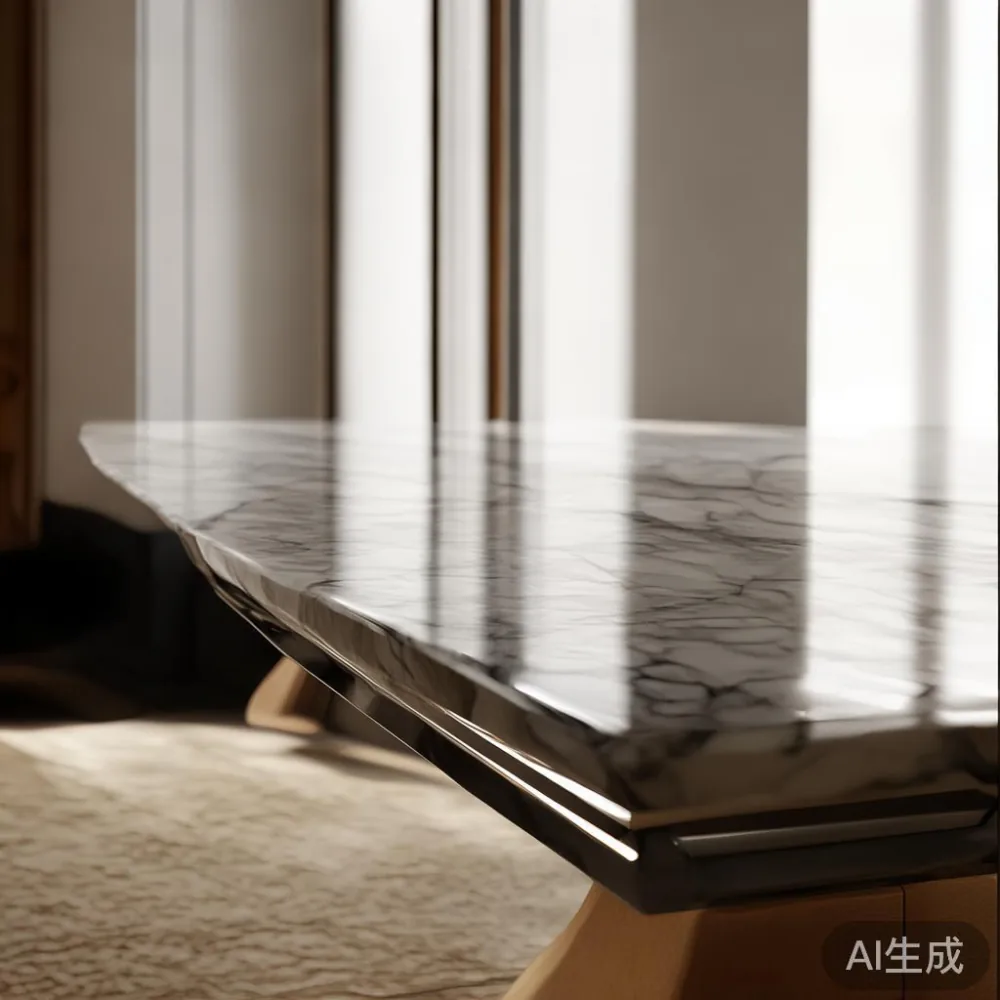
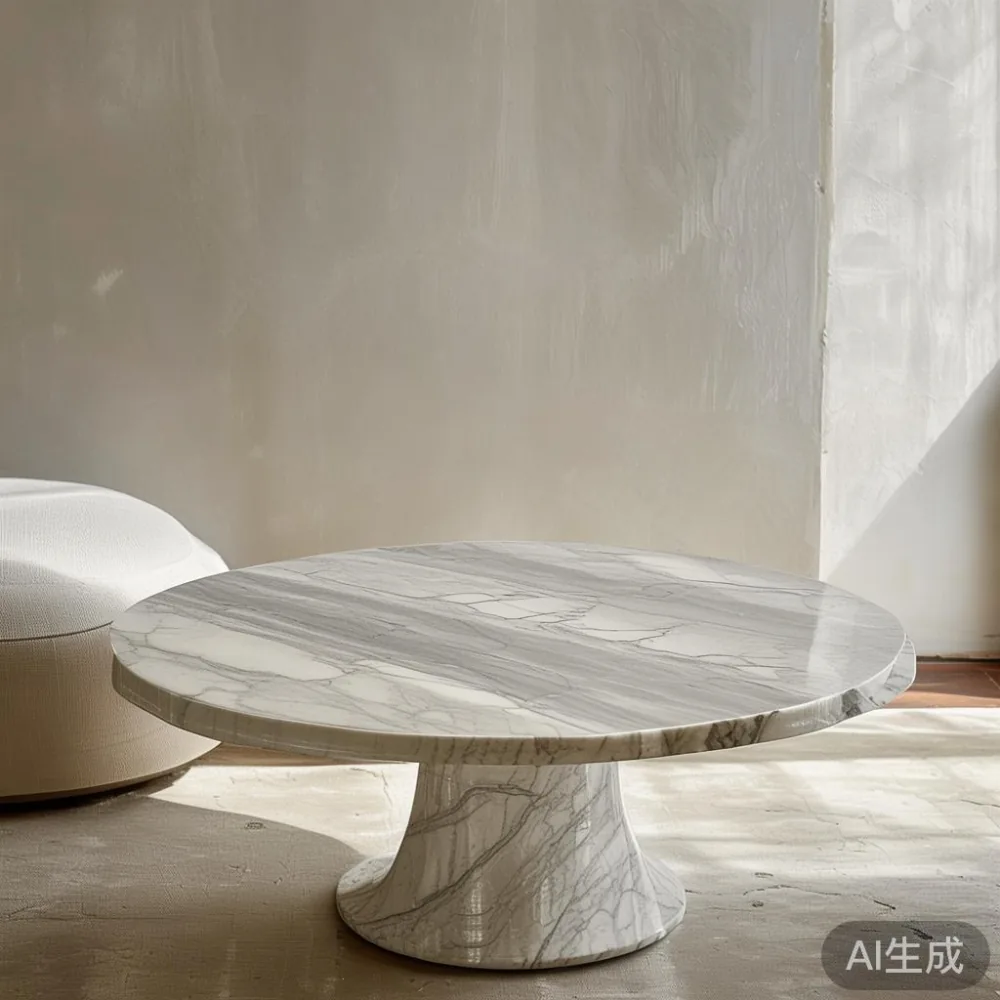
This advice applies to any large furniture purchase, not only sofas. A bed frame needs access for drawers and mattress replacement, a dining table needs chair pull-out space, a wardrobe needs doors that can open, and a nightstand needs a reachable power outlet. A marble table also requires careful discussion of weight, support, and installation. The common principle is to check the object as a functional object rather than as a decorative image.
How do I check whether a display sofa is actually safe to sit on?
Start by asking for the model number, care instructions, and a written condition report. Photograph the sofa before agreeing to anything. Record the date, seller, price, dimensions, and any labels or serial numbers. In Singapore, consumer protection should be documented clearly, especially if the item is described as “as-is”, “display”, or “non-returnable”. GST should be stated separately as well; for example, a SGD 2,408 price before 9% GST becomes SGD 2,624.72.

Inspect the frame by looking beneath the sofa and along the rear rail. A solid wood sofa should have straight joints, secure corner blocks, and no visible cracks. Check whether the wood has been finished on all sides, particularly where a display model may have been moved. A bed frame or wardrobe may reveal similar signs: loose joints, damaged corners, or uneven alignment. Do not assume that a solid wood label guarantees good workmanship; it describes the material, not the quality of the assembly.
Sit on the sofa briefly and listen for creaking, scraping, or a shifting frame. Press each cushion and check whether it rebounds rather than staying deeply compressed. A cushion that remains depressed by more than 3 cm after you stand may be worn out. Look for stains, faded fabric, pulled threads, and sunlight fading. If a salesperson says the sofa is “display only” but also promises it will tolerate daily use, request that promise in writing. A verbal assurance is difficult to enforce.
My colleague last month visited a showroom with a display solid wood sofa marked down from SGD 2,100 to SGD 1,600. The frame looked solid, but one rear corner had been knocked out of alignment, and the seat cushion had been compressed. The sales discount was SGD 500, yet replacing that cushion and correcting the corner could cost more than SGD 250. We left without buying. The inspection took 20 minutes and prevented a poor purchase.
Will a display sofa fit through my HDB flat or condo entrance?
Measure the entire route before buying, not just the living room. The relevant sofa dimensions should include its length, depth, height, arm thickness, and diagonal footprint after packaging is removed. A 205 cm sofa may pass through a 900 mm door only if it is tilted carefully, while a 240 cm sofa with fixed arms may not fit around a corridor turn. In many older HDB blocks, the lift car is approximately 1.1 m wide and 1.4 m deep, although the actual usable opening and internal depth can be smaller. Condo corridors can include fire doors, tight turns, and security-access points.
Measure the lift opening at its narrowest point, the lift car’s internal height, and the distance from the lift to the flat entrance. Ask the retailer whether delivery staff will remove packaging, carry the sofa upstairs, and place it in the chosen room. These services may have different charges. A flat-pack solid wood sofa can reduce transport volume, but a preassembled model may be easier to carry if it weighs below roughly 60 kg. A heavier unit may require a hoisting arrangement, which can add SGD 120 to SGD 350 or more.
For a narrow route, compare the sofa’s diagonal with the available door or lift dimension, but do not rely on arithmetic alone. Handles, legs, cushions, and the angle needed to turn can add 5 cm to 10 cm. The seller should know the sofa’s exact packed dimensions. If the retailer cannot provide them, treat the delivery plan as incomplete.
Also check where the sofa will live. For European light luxury for small living room planning, prioritise a seat depth of 50 cm to 58 cm and leave at least 75 cm of clear circulation behind the front edge. For a sofa facing a television, 90 cm between the front edge and the coffee table is more comfortable. If the room is under 9 m², a 180 cm to 195 cm sofa may preserve more useful space than a 220 cm model.
How much should I pay after GST, delivery, and return costs?
Build the total from several figures rather than focusing on the discount. Suppose the display sofa is SGD 1,600 before GST. At 9% GST, the subtotal is SGD 1,744. Add SGD 180 for lift-to-room delivery and SGD 90 for carrying it to a third-floor HDB flat, and the total is SGD 2,014. If a fabric replacement later costs SGD 250, the effective commitment rises to SGD 2,264 before any other repair.
Delivery time is part of the decision. A ready-to-deliver Singapore item may arrive in 5 to 10 business days, while a made-to-order piece may take 45 to 90 days. Confirm the estimated date in writing and ask what happens if the sofa arrives damaged. For a display item, delivery damage and pre-existing showroom wear should be listed separately.
Return terms deserve equally careful attention. A general 14-day return policy may not apply to a made-to-order sofa, a personalised fabric, or a clearance display item. The right to return after a 14-day trial can also be affected by the seller’s condition requirements and the furniture’s usage. Ask whether the original packaging, delivery fee, and assembly fee are refundable. Some arrangements deduct a handling charge of SGD 50 to SGD 150.
MIDHILL provides a 10-year structural warranty and lifetime refinishing on qualifying furniture, so buyers should still confirm what the display condition means for those protections. A warranty on the frame does not automatically cover a damaged cushion, missing foot, or deliberate showroom use. Request the warranty certificate after purchase and check whether refinishing includes collection, transport, or only the refinishing work.
What should I compare when choosing between French, European, and post-modern styles?
Style should follow the room’s proportions and the way you intend to use the furniture. The comparison “European light luxury sofa vs French provincial sofa” is useful because the two labels describe different design attitudes rather than identical products. European light luxury usually favours clean profiles, restrained ornament, pale upholstery, and carefully balanced proportions. French provincial styling often introduces carved details, curved arms, shaped legs, and a more decorative character. A heavily carved sofa may gain visual weight and fit awkwardly into a compact HDB living room.
Post-modern for small living room planning can work well when it means one strong shape, a controlled colour palette, and simple materials rather than crowded decoration. For example, a low solid wood base, two understated arms, and a muted beige fabric can create a light-luxury appearance without making the room feel crowded. By contrast, a French provincial sofa with 8 cm carved arms may reduce usable seating width by 16 cm when both arms are counted.
Material language should also be considered. A solid wood sofa base can bring warmth to a room that already contains marble furniture, while a marble table adds a hard, reflective surface that needs balance. If a marble table is placed nearby, choose a sofa with a visually quiet base or a small textile layer rather than another ornate feature. That is a practical way to connect marble furniture with seating without making the composition feel overworked.
The same discipline applies elsewhere. Minimalist for dining room layouts means checking chair clearance, not merely counting seats. Industrial for guest room ideas should still account for mattress support, ventilation, lighting, and the number of guests. A narrow guest room may need a 90 cm bed frame, a 45 cm nightstand, and a wardrobe no deeper than 55 cm, with at least 60 cm left for opening drawers and doors.
What paperwork protects me if the display sofa is not what I expected?
Use the sales invoice as a record of the actual item. It should identify the sofa as a display model if that is true. Include the agreed sale price, GST, delivery fee, delivery date, condition notes, dimensions, warranty period, and return conditions. If the retailer describes a material or finish, specify it precisely: “natural solid wood frame with oak veneer panels” is more useful than “wooden finish”. For upholstery, note the fabric composition, cushion condition, and whether replacement covers are available.
Keep photographs of the delivered sofa from at least four angles: front, rear, underside, and one close view of each damaged area. Record the delivery date and check the packaging. A 10-minute inspection on arrival can establish whether a dent existed before delivery. Photograph the lift and route if access was restricted, particularly when the retailer was supposed to carry the sofa upstairs.
Ask for a written policy on showroom wear, transit damage, and structural failure. The 10-year structural warranty should define whether it covers joints, frame rails, and leg attachment. Lifetime refinishing should state which surfaces are included and how often service is permitted. For a sofa that cannot be sat on, these details may be less important than the condition of the cushions and upholstery, so make sure those have a separate remedy.
When comparing a wardrobe, dining table, nightstand, or bed frame with a sofa, use the same checklist: exact dimensions, material, total weight, access route, delivery days, warranty, and return conditions. The MIDHILL light luxury wardrobe name is relevant when the real requirement is dependable storage rather than a showroom appearance: confirm drawer extension, door swing, shelf spacing, and wall anchors. If your search includes marble furniture, remember that the weight of a marble table may require a separate floor and installation assessment.
What questions should I ask before paying for a sofa you cannot sit on?
Ask, “Can this sofa be sat on daily, or is it strictly decorative?” Then request the answer in writing. Follow with, “Is the displayed discount conditional on accepting the existing cushion and upholstery condition?” Ask whether the feet, frame, and finish are original and whether there are hidden repairs. Request the packed dimensions and weight, delivery lead time, lift-access conditions, and the total payable amount including GST.
Then check the practical promises: “Does the 10-year structural warranty cover this display item, and which components count as structure?” “Can I return it within 14 days if the size or condition is unsuitable?” “What happens if the sofa arrives with a new scratch?” “Does lifetime refinishing include collection and transport?” “What is the labour charge if a loose joint or worn cushion needs attention?”
Finally, compare the display price with a comparable new model. If the discount is only 10%, the savings may not justify a permanently compressed cushion. If it is 30% to 40%, the discount may make sense for a carefully inspected frame, but replacement costs still need to be included. A useful rule is to reserve at least SGD 200 to SGD 400 for cushion replacement, reupholstery, or repairs after the sofa reaches the room.
The safest approach is to treat a display sofa as a discounted used product unless the retailer proves otherwise. Measure the route, inspect the frame, test every cushion, document the condition, and price GST, delivery, returns, and repairs before committing. In a Singapore home, a sofa must work with the lift, the corridor, the circulation space, and the people who will use it. Appearance matters, but a visually perfect piece that cannot be sat on is furniture decoration, not a place to live.