How Humidity in Southeast Asia Affects Wood Furniture
Humidity is rarely dramatic in Singapore, yet it can quietly change a solid wood dining table, bed frame or wardrobe over 12 months. Warm air enters an HDB flat in Tampines, a Bedok condo receives sea air, and an air-conditioned Punggol home can still develop condensation around a cooler marble surface. The result is not instant damage. It is a gradual movement of moisture that may leave a dining table with uneven gaps, a wardrobe door that no longer closes cleanly, or a solid wood sofa with cushions that feel softer in the monsoon season.
Southeast Asia’s average year-round relative humidity commonly ranges from 65% to 85%, with wetter periods approaching 90%. Singapore’s annual rainfall is about 2,340 mm, while coastal humidity, enclosed corridors and frequent temperature changes create short cycles that furniture makers must account for. At MIDHILL, our Foshan workshop uses kiln drying, controlled acclimatisation and careful inspection because the destination climate matters as much as the timber species.
This guide explains how humidity affects wood and marble furniture, what Singaporean homeowners can do in compact HDB flats and condos, and how to specify pieces that suit local conditions. The aim is practical: fewer repairs, stable dimensions and furniture that still looks composed after 10 years of daily use.
Why does humidity make solid wood furniture move?
Wood is hygroscopic, meaning it absorbs and releases water vapour from the surrounding air. Its cell walls swell when humidity rises and contract when air becomes drier. A solid wood dining table may expand across its grain by roughly 1% to 3% for a substantial seasonal humidity change. A 180 cm table with 20 cm-wide solid boards can therefore show a visible width difference of about 2 mm to 6 mm.
The movement also affects joinery. A tenon may tighten slightly in a humid week and open by less than 1 mm in a dry week. A 210 cm wardrobe side panel can move by several millimetres, which matters when a hinged door must remain aligned with its frame. For a solid wood sofa with a hardwood frame, the structure may move less than a loose panel, but cushions and rear rails can still develop small gaps if the room alternates between 24°C and 31°C.
Singapore’s controlled interiors create a particular pattern. Bedrooms may sit near 24°C through the day, then rise to 28°C at night when air-conditioning reduces. Kitchens can exceed 31°C during a long cooking session, and bathrooms may approach 35°C. Lift lobbies and corridors in new HDB estates can be warm and damp, although the indoor air-conditioned unit still provides some protection.
For buyers, humidity does not mean solid wood should be avoided. It means the furniture should be made with dimensional stability, suitable movement allowances and a finish that can be maintained. Teak and other durable hardwoods handle changing moisture well, but every solid wood product still benefits from sensible placement and care.
What does 80% relative humidity do to a bedroom?
At 80% relative humidity, timber contains more moisture than it would at 55%. Manufacturers dry wood for processing according to its intended use and destination climate. A workshop may bring timber to an equilibrium moisture content near 12%, then allow finished pieces to acclimatise before packing. Once a bed frame reaches Singapore, it should acclimatise for 7 to 14 days in the room where it will be used.
Keep the frame away from a bathroom wall, kitchen sink and recessed ceiling vent. A bed positioned directly below an air-conditioning diffuser can experience repeated surface-temperature swings, while one placed against a sunlit external wall may alternate between heat and dampness. Leave approximately 5 cm to 10 cm behind a nightstand where possible, and avoid pushing a wardrobe completely into a narrow recess if the rear wall is cool and unventilated.
For lift access, measure the route before ordering a European bed vs Italian light luxury bed. A queen bed may be packaged at 165 cm long, but the carton can be 175 cm once assembled. HDB corridors are often around 150 cm to 180 cm wide, and some lift cars measure only 100 cm by 140 cm. A bed frame delivered as a flat-packed carton may turn a 90 cm doorway into a difficult manoeuvre if the packaging is too tall.
This is where asking about delivery measurements matters. A 35 kg nightstand can be carried by one person, but a 90 kg dining table requires at least 2 people and a clear route. For upstairs units, check whether the lift has a protective pad, whether the turning radius is adequate and whether the furniture carrier can reach the lobby. A well planned delivery for a Tampines HDB flat can take 45 to 90 minutes after arrival at the building; a Bedok or Punggol condo with security registration and lift reservations may add another 15 to 30 minutes.
Is marble furniture a problem in Singapore’s humidity?
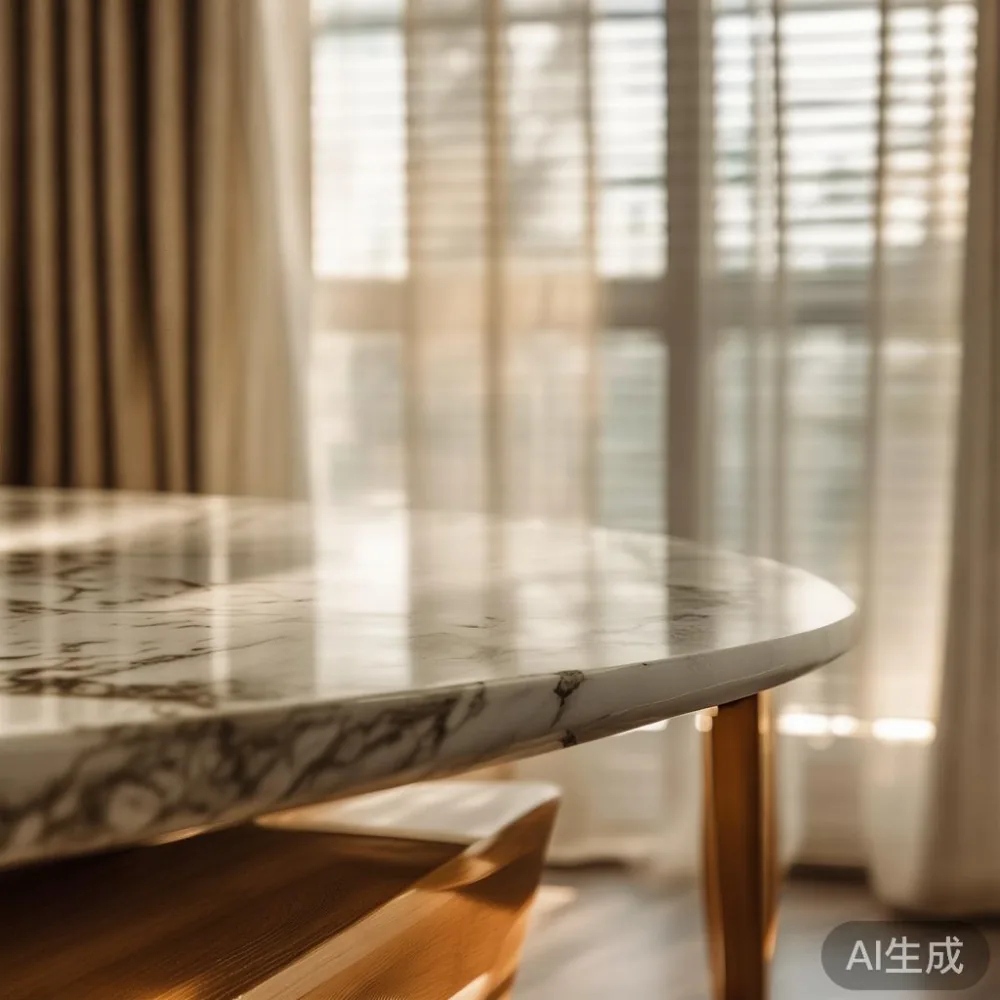
Marble furniture is not highly reactive to relative humidity in the way solid wood is. The larger issue is the temperature difference between a room and a cool marble top, especially during the monsoon season. Condensation can form if the marble surface falls below the room’s dew point. That moisture sits on the surface briefly, so wiping it away promptly is usually sufficient. The greater concern is allowing water to remain around a joint, base or underside.
A round marble table with a 100 cm diameter top may weigh 65 kg to 110 kg, depending on its thickness and reinforcement. A rectangular 160 cm marble dining table can weigh from 120 kg to 180 kg. These figures affect both delivery and floor loading. Most HDB and condo floors can support them, but carrying a 180 kg table upstairs without a proper lifting plan risks injury or damage to common areas.
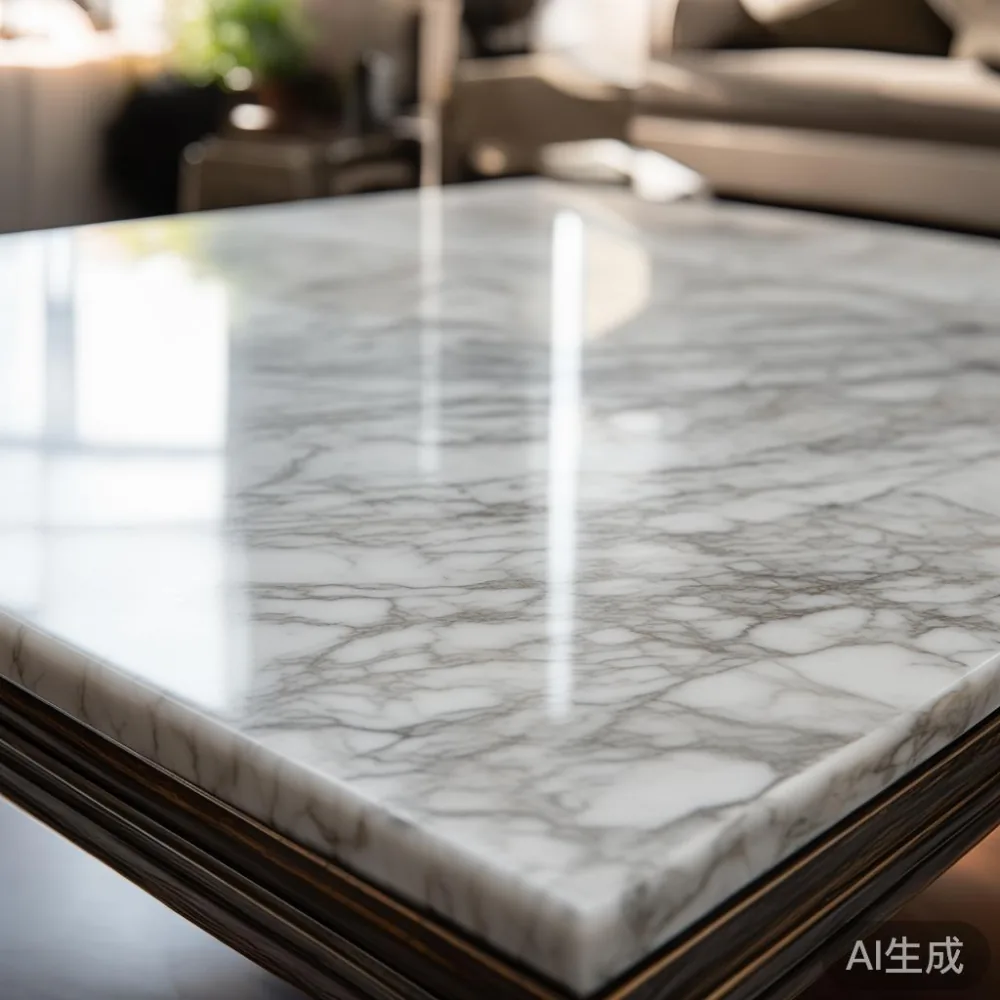
Marble also has a naturally varied surface. A light luxury dining table with a honed or matte finish shows water marks less clearly than a high-gloss polished surface, although acidic liquids can still etch the stone. Use a coaster under a glass, wipe spills within 10 minutes and clean with a neutral pH product. Avoid vinegar, lemon cleaner and abrasive scouring pads. A European light luxury accent chair placed beside a marble table should not have its legs repeatedly dragged over the floor, since grit trapped beneath the legs may scratch both stone and flooring.
Do not seal wood as a substitute for controlling water. A good sealer slows moisture exchange and protects the surface, but it cannot make timber immune to humidity. If a dining table sits near a sliding glass door, maintain a gap of at least 30 cm from the opening, and use curtains during the wettest hours.
How should I choose furniture for a humid climate?
Look for solid wood components and construction details that permit slight movement. For a bed frame, confirm whether the slats are fixed, flexible or adjustable, and whether the centre support is included for a mattress wider than 160 cm. For a dining table, ask whether the top is solid wood, veneered or engineered, and whether the finish is lacquer, oil or a factory-applied coating. Veneered furniture is not inferior in every case; stable substrates can perform predictably when edges and seams are protected.
For wardrobes, allow installation tolerances around doors and drawers. In a compact Singapore bedroom, a 180 cm-wide wardrobe may project 60 cm into the room, so a sliding design can reclaim 70 cm to 90 cm of opening space compared with hinged doors. Behind the wardrobe, leave 2 cm to 3 cm for ventilation where the unit is not built into a fitted recess.
Finish and hardware deserve the same attention. Brass hardware may develop a patina in humid conditions, while quality hinges can be adjusted if a door begins to pull. Store hygroscopic items such as wool cushions in dry conditions and rotate them periodically. Keep the indoor humidity around 50% to 65% where possible; the dehumidifier in many Singapore homes is often more effective in wardrobes and storage areas than during already comfortable living spaces.
Some shoppers use price labels as their only filter. A comparison of under 2000 American furniture can reveal useful construction details, including solid hardwood rails, mortise-and-tenon joints and finish warranties, but origin alone does not guarantee climate suitability. Ask for dimensions, timber species, moisture treatment, finish type, warranty period and delivery measurements.
A 10-year structural warranty also deserves precise reading. It may cover joints and frames under normal use while excluding movement caused by flooding, direct rain or unstable walls. Singapore’s occasional water incidents make that distinction important. Read the care instructions and retain the purchase documentation, especially when commissioning a large wardrobe or marble table for a new condo.
Which storage and maintenance habits reduce humidity damage?
Give large furniture time to acclimatise. Solid wood sofa frames, bed frames, dining tables and wardrobes should remain in their packaging for 24 to 48 hours before opening, then acclimatise for 7 to 14 days before tight fitting or heavy loading. This staged process allows the piece to respond gradually to the room rather than to a sudden burst of moisture.
Place a hygrometer in the bedroom, living room and dining area. A model costing SGD 20 to SGD 45 can show whether a room remains within the 50% to 65% range. Check it at approximately the same time each morning and evening for 7 days, since a single reading can miss overnight condensation.
For storage, keep offcuts or spare panels away from external walls and do not stack them directly on the floor. Use spacers of at least 10 cm and keep the storage room ventilated. A nightstand should not be placed beneath a window that remains open during heavy rain. Wipe marble furniture after cooking or bathing, and use felt pads under every leg to reduce trapped grit.
Do not use a wet cloth on a solid wood dining table. Instead, apply a lightly damp cloth and dry immediately. If oil finishes need attention, follow the maker’s product and frequency; over-oiling can clog the surface. For lacquered pieces, use a pH-neutral cleaner and avoid silicone-based furniture polish unless the finish manufacturer permits it.
Inspect moving parts every 6 months. Tighten a bed-frame fixing only if the joint has loosened, since aggressive tightening can crush the wood during expansion. Check wardrobe hinges every 12 months and adjust their alignment. On a marble table, examine silicone joints twice a year and replace them if they separate. These small routines can prevent a minor movement issue from becoming a visible defect.
What should I ask before ordering furniture for my HDB flat or condo?
<Ask whether the furniture has been conditioned for tropical use, how it will be packed and whether the carrier can carry it into the lift. Request the packaged dimensions of every large item, not just the assembled dimensions. For a solid wood bed frame, include the headboard and footboard in the measurement. For a wardrobe, state whether the unit will be delivered flat-packed or in sections. For marble furniture, ask whether the top is removable and whether the carrier can use a lifting strap.
Also check the total cost before GST. A SGD 2,450 dining table becomes SGD 2,696.50 after 9% GST. Some sellers quote delivery separately, while others include it above a stated order threshold. MIDHILL provides free shipping on orders over US$350, but local currency and destination-specific terms should still be confirmed before payment; a clear quotation should identify the furniture, GST, delivery and return conditions.
Measure the delivery route before the day arrives. For a standard HDB lift, note the car dimensions and the distance from the lift to the front door. For a walk-up unit, check the staircase width, landing depth and handrail clearance. Photograph the route and share it with the delivery team. Arrival windows should allow at least 2 hours because a 180 cm wardrobe or a 150 kg marble table cannot be moved safely at the last minute.
Returns are another point to clarify. A 14-day return period offers time to inspect construction and finish, but many made-to-order pieces or installed items may have different terms. For a bedroom furniture set, unboxing and assembly can take 60 to 120 minutes. Inspect corners, joints, drawer movement and stone surfaces before accepting the delivery, and record any packaging damage with photographs.
How do I compare European, American and local furniture for Singapore?
European styling often pairs a European light luxury accent chair with pale oak, walnut, linen and marble. American light luxury is typically broader and more architectural, with generous cushions, clean lines and substantial proportions. Post-modern light luxury can combine curved profiles, warm woods and stone surfaces without making a small HDB living room feel crowded.
The useful comparison is not only appearance. Check the frame material, joinery, finish and after-sales support. For the bed frame and solid wood sofa, compare how each piece is adapted for heat and humidity, not whether it was designed for a cooler European market. For storage, a search for the best Coastal wardrobe for 2026 should still lead to a closer inspection of moisture resistance, ventilation and dimensions.
Local climate does not dictate one origin or one style. A well-built European piece, an American solid wood sofa or a locally assembled dining table can all work if the details are right. The difference lies in the specification: stable construction, a sensible finish, clear warranty coverage and a delivery plan suited to lifts and corridors.
Last month, I visited a colleague’s three-room Bedok HDB flat after a heavy afternoon downpour. A 200 cm solid wood dining table had been beside a sliding door for 11 months. The tabletop had developed only a slight sheen difference near one edge, and two joints showed movement of roughly 1 mm. We moved the table 25 cm inward, wiped the area with a dry cloth and improved the curtain gap. The precision of the joints and the even finish mattered more than the furniture’s country of origin.
That experience reflects the broader point: humidity in Southeast Asia affects wood furniture gradually, but it is manageable. Stable construction, measured placement, moderate indoor humidity and regular care protect solid wood sofa frames, bed frames, dining tables, wardrobes, nightstands and marble table tops. Choose the dimensions for the home, verify the route for delivery and treat maintenance as part of ownership. Done properly, good furniture can remain structurally sound and visually calm through Singapore’s heat, rain and seasonal humidity changes.