A Guide to Caring for Lacquered Surfaces in Singapore's Humidity
Living in Singapore, with its year-round high humidity and temperatures that can reach 32°C, presents a unique set of challenges for maintaining the pristine appearance of fine furniture. This is especially true for pieces with a delicate lacquered finish, such as many marble furniture items. The combination of moisture, heat, and daily use can, over time, dull the shine, cause clouding, or even lead to surface damage if not properly cared for. As a specialist at MIDHILL, a Foshan-based maker of solid wood furniture since 2008, I have seen firsthand how the right care routine can preserve the beauty of a piece for decades. This guide provides practical, detailed advice on how to protect your investment, whether it's a stunning marble dining table, a sophisticated solid wood bed frame, or a delicate nightstand.
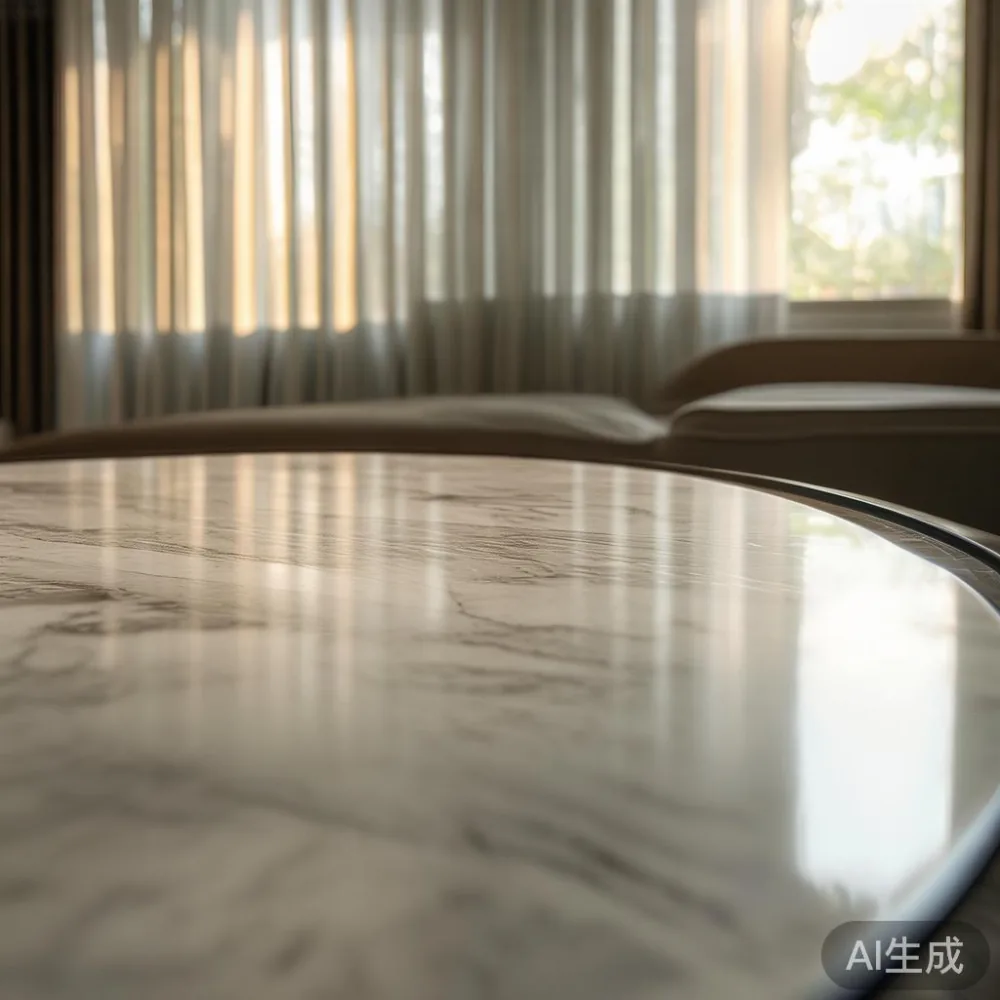
Understanding Lacquer: A Protective Shield for Your Marble Furniture
Lacquer is a clear, hard coating applied to furniture surfaces, primarily to protect the material beneath it. In the context of marble furniture, it serves two critical purposes: it seals the porous stone, preventing stains from liquids like coffee, wine, or soy sauce, and it provides a deep, reflective sheen that enhances the marble's natural veining. This finish is common in light luxury furniture styles, such as the elegant French light luxury aesthetic or the clean lines of American light luxury. The process involves applying multiple thin layers of resin, which are then cured to form a durable, glass-like surface. However, this very durability is what makes lacquer susceptible to damage from environmental extremes. Singapore's climate, with an average relative humidity of 85%, can be particularly harsh. The constant moisture in the air can be absorbed by the wood components of the furniture and affect the adhesion of the lacquer layer, while direct sunlight streaming through condo windows can cause the finish to fade or yellow over time. Understanding this delicate balance is the first step toward effective care.
How Singapore's Climate Specifically Affects Lacquered Surfaces
The tropical climate of Singapore is not just a general inconvenience; it imposes specific, measurable stress on lacquered furniture. Let's break down the impact. First, there is the issue of condensation. When a cold beverage is placed on a marble surface that has been air-conditioned, the temperature difference can cause water droplets to form directly under the glass. This trapped moisture, if left for even a few hours, can seep into the microscopic pores of the lacquer, creating a permanent cloudy mark known as 'water rings'. Second, the high humidity level can cause the solid wood frame of a piece, like a dining table or wardrobe, to expand and contract slightly. This movement, while subtle, can put stress on the lacquer, potentially leading to hairline cracks or a loss of adhesion at the edges. Last month, I visited a client in a Bedok condo who had noticed a fine network of cracks on the legs of their Italian light luxury sideboard. Upon inspection, it was clear that the piece had been placed directly next to an open window, exposing it to both intense afternoon sun and high humidity—a perfect recipe for finish damage.
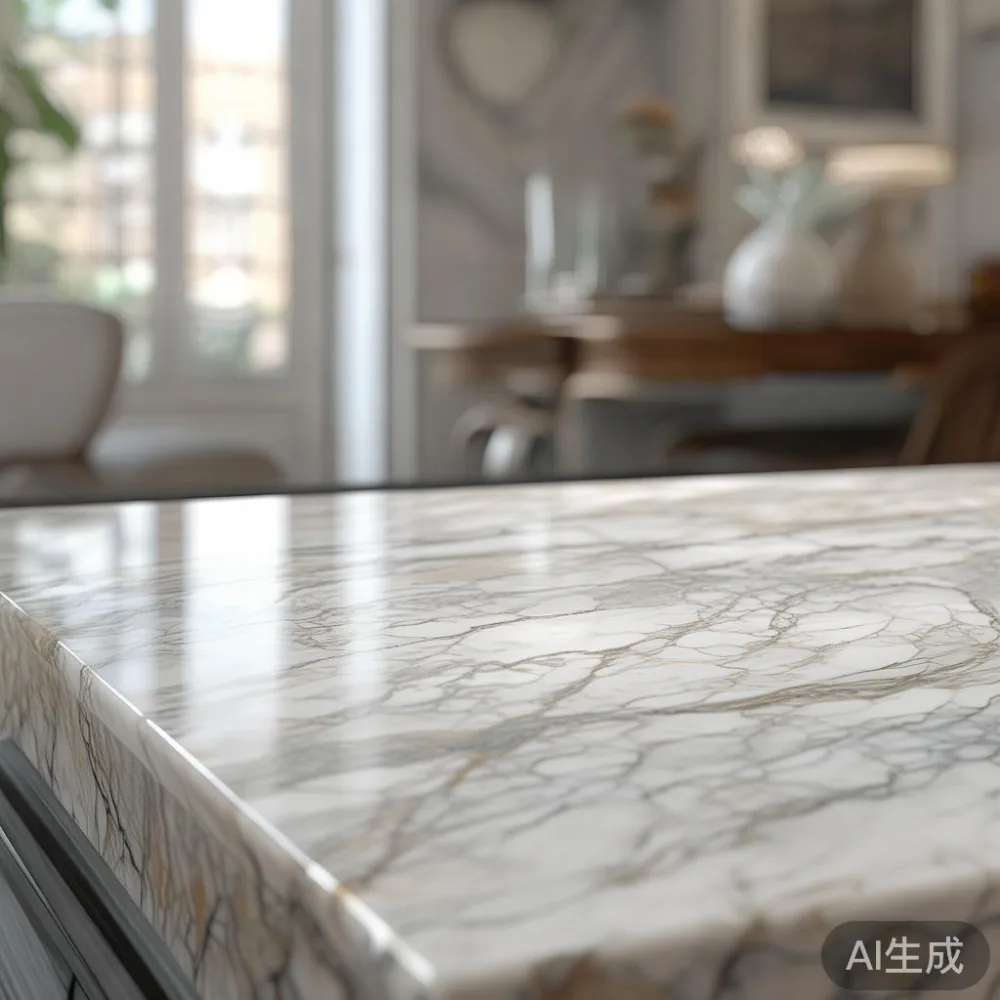
Daily and Weekly Care Routine for Your Lacquered Marble Furniture
Preventive care is the most effective strategy. A simple, consistent routine can dramatically extend the life of your furniture's finish. For daily cleaning, use a soft, lint-free microfiber cloth. Dampen it slightly with distilled water—using distilled water prevents mineral deposits from tap water from leaving streaks on the surface. Wipe the surface gently in a circular motion. For weekly cleaning, a specialized furniture polish or cream is recommended. Apply a small amount, about the size of a 10-cent coin, onto a clean microfiber cloth and rub it into the surface in the direction of the wood grain. This not only cleans but also replenishes the oils in the wood and nourishes the lacquer. Avoid using common household cleaners like Windex or Pledge, as their alcohol and silicone content can strip the lacquer over time. When moving furniture, even a small nightstand, always lift it. Dragging it across the floor, even with felt pads, can scratch the lacquer. For a solid wood sofa, rotate the cushions every 2 weeks to ensure even wear on the fabric and finish.
What to Do When Spills and Stains Occur
Accidents happen, but how you handle them determines whether the damage is permanent. For liquid spills, the key is speed. Act immediately. Use a clean, dry cloth to blot the spill, not rub, as rubbing can spread the liquid and push it deeper into the lacquer. For sticky substances like juice or syrup, first remove any solid particles with a dull plastic knife, then dampen a cloth with a solution of mild dish soap and water. Wipe the area, then immediately follow up with a cloth dampened only with water to remove any soap residue. For stubborn stains like ink or wine, a dedicated wood stain remover may be necessary. Always test any cleaning product on an inconspicuous area first, such as the inside of a drawer or the underside of a nightstand, to ensure it does not damage the finish. A common mistake is to use a wet cloth and let the piece 'air dry'. This can trap moisture, leading to cloudiness or even damage to the wood underneath the lacquer. Always dry the surface with a separate, dry cloth after cleaning.
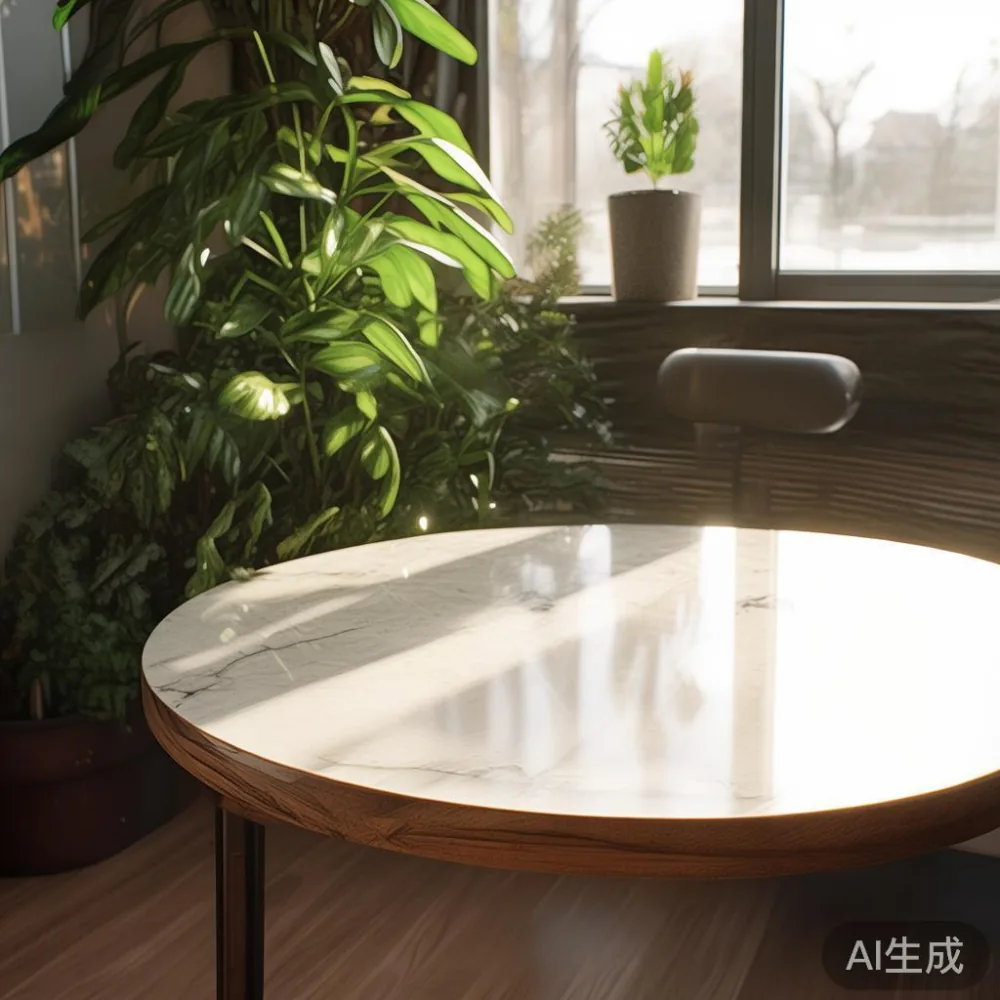
Why is my lacquered furniture looking cloudy in my Tampines HDB flat?
This is one of the most common questions I receive from customers. A cloudy or hazy appearance on a lacquered surface is almost always caused by one of two things: improper cleaning or environmental moisture. In a HDB flat in Tampines, where natural ventilation might be limited, cooking fumes and general humidity can settle on furniture. If you've been using a generic all-purpose spray, the waxy or silicone residues it leaves behind can build up over time, creating a cloudy film. The solution is a thorough cleaning. Start by wiping the entire surface with a cloth dampened with mineral spirits to dissolve any built-up wax. This should only be done in a well-ventilated area. After the mineral spirits has evaporated, use a high-quality furniture polish to restore the shine. The second cause is moisture trapped under the finish, often from a cold object left on the surface. For minor cloudiness, you can try buffing the area with a soft cloth and a non-abrasive polishing compound. For severe cloudiness, the only solution may be to have the piece professionally refinished. This is where a brand's lifetime refinishing policy, like the one offered by MIDHILL, provides significant peace of mind, covering the cost of restoring the original finish.
Protecting Your Furniture from Environmental Damage
Proactive protection is as important as reactive cleaning. Strategic placement of your furniture is the first line of defense. Avoid placing marble furniture or any lacquered piece directly in front of an air-conditioning vent or a window that gets direct afternoon sun. The rapid temperature changes and UV exposure are detrimental to the finish. Use coasters under all glasses and mugs, and placemats under plates and hot dishes. Trivets should be used for anything coming directly from a stove or oven. In a condo with a narrow lift or corridor, be extra careful during delivery. A marble dining table can be very heavy, often weighing over 50 kg, and a bump against a wall can chip the lacquer or, worse, the marble itself. When considering a new purchase, such as a for sale Modern light luxury furniture piece, factor in the space you have. A wardrobe that is 220 cm wide might not fit through a standard 80 cm corridor, and the delivery fee could be SGD 150 instead of the free shipping offered for orders over SGD 500. Protecting your furniture also means controlling your home environment. Using a dehumidifier, especially in the bedrooms during the rainy season, can help maintain a humidity level of around 50%, which is ideal for wood and lacquer.
When to Seek Professional Help
While most minor issues can be handled at home, there are times when calling a professional is the right choice. If you notice deep scratches, chips, or sections where the lacquer has peeled away, DIY repair kits are often not a good solution. They can be difficult to match perfectly and may look amateurish. A professional furniture refinisher can strip the old finish and apply a new, uniform lacquer layer. This is a service that is often covered under a good warranty. For example, a 10-year structural warranty, like the one from MIDHILL, typically covers such defects. Another instance is when the entire piece needs a refresh. Perhaps the color of your French bed vs French provincial bed has faded, or the finish on your solid wood sofa has lost its luster. A professional can strip and refinish the entire piece, making it look brand new. This service is an investment, often costing several hundred dollars, but it can restore a valuable piece of furniture that holds sentimental or financial value. For those looking for a specific style, understanding the nuances of a light luxury bed vs French provincial bed can guide you to the right piece that fits both your aesthetic and maintenance preferences.
Long-Term Preservation: Making Your Furniture Last for Generations
The ultimate goal of caring for your furniture is to make it a lasting part of your home. This requires a long-term perspective. Every few years, consider applying a high-quality paste wax to your marble furniture and other solid wood pieces. Wax provides an additional layer of protection and fills in minor scratches, restoring the deep shine that lacquer provides. It also makes future cleaning easier. When arranging your furniture, allow for at least 30 cm of space around each piece to ensure good air circulation. This prevents the build-up of stagnant, humid air. When purchasing new items, think about how they will complement your existing pieces. A collection of furniture from a single designer, like a Wuhan Lingzhan collection, or a cohesive style like MIDHILL European light luxury sofa, ensures a harmonious look that is also easier to maintain, as pieces will have similar care requirements. Remember, the value of well-made furniture is not just in its initial purchase price but in its longevity. A piece that lasts 30 years is a far better value than one that needs replacing every 5, even if the initial cost is higher. With proper care, your marble furniture can become a beautiful heirloom, passed down through your family.
Choosing the Right Furniture for Your Singapore Home from the Start
While proper care is key, choosing the right furniture from the beginning can significantly reduce the maintenance burden. When shopping, look for pieces with high-quality, multi-layered lacquer finishes. These are more resistant to heat, moisture, and scratches than single-layer or spray finishes. Consider the lifestyle of your household. If you have young children or pets, a highly polished finish might show every fingerprint and scratch. In this case, a matte or satin finish might be a more practical choice, though it requires different care. For those on a budget but still seeking quality, there are many options for under 2000 Modern light luxury furniture that offer excellent durability. When making a purchase, always inquire about the warranty. A 10-year structural warranty and a lifetime refinishing policy are indicators of a manufacturer's confidence in their product and their commitment to customer satisfaction. Also, consider the logistics. For residents in Punggol, where some apartments have larger layouts, a grand marble dining table might be perfect. But for a smaller HDB flat, a more compact dining set or a versatile extendable table might be a wiser choice. Free shipping over SGD 350 is a great perk, but ensure the delivery company can handle the size and weight of your items, especially when working through Singapore's standard lift sizes, which are typically 110 cm wide by 210 cm deep.