The Impact on Solid Wood Furniture Prices in Singapore
Solid wood furniture is often sold with a large number that seems disconnected from the visible design. A dining table may cost SGD 1,280 in one showroom and SGD 3,900 in another, while both pieces appear to have timber tops, tapered legs and similar profiles. The difference usually sits in factors that are easy to inspect but difficult to compare from a photograph: timber species, board construction, joinery, finish thickness, hardware, dimensions, weight and delivery logistics.
For Singapore buyers, those differences matter twice. A bed frame that measures 190 cm by 200 cm may fit a Tampines HDB bedroom more comfortably than a condo master bedroom with generous clearance. A solid wood sofa with a 240 cm width can look substantial in a living room yet become difficult to move through a lift or corridor. Marble furniture introduces another layer because stone slabs vary in thickness, veining, support requirements and installation cost. Understanding the price drivers helps you spend money on the part of a piece that affects daily use rather than on a label or a temporary showroom effect.
What determines the price of a solid wood dining table?
The timber species is a major starting point. Rubberwood, oak, ash, beech, walnut and other hardwoods have different supply levels, processing costs and price movements. An oak dining table with a 180 cm top may retail around SGD 1,600, while a walnut version with carefully selected grain can reach SGD 3,200. The species alone does not guarantee quality, but it changes the economics of sourcing, drying and machining.
Next comes the board construction. A solid top made from 20 mm boards can be heavier and more stable than a 16 mm top, but weight adds freight and handling requirements. Finger-jointed timber is acceptable for many concealed structures; a solid single-board top is more demanding to produce because larger logs must be stable and defect-free. A table with a 180 cm by 90 cm top may weigh 55 kg in oak and 68 kg in walnut, before considering the base. That weight affects delivery to a 12th-floor unit, where the lift capacity and turning radius must be checked.
Joinery and the base design also influence cost. Mortise-and-tenon joints, hardwood dowels and properly attached aprons require more accurate preparation than simple screw connections. A dining table with four tapered legs, a 35 mm apron and reinforced corner blocks may cost more to build than a visually similar table with thinner components. The price should reflect the structure underneath, not only the silhouette on display.
At MIDHILL, a practical comparison should include the finished dimensions, timber, finish, underside, load expectations and delivery route. A 200 cm table may suit a wider dining room, but it can be awkward in an HDB kitchen-dining area with a 90 cm doorway. A 160 cm table may be more expensive per centimetre yet function better in a compact Singapore home.
How much do dimensions, weight and Singapore access add to furniture prices?
Delivery is not a minor administrative detail in a dense city-state. A Singapore three-room HDB flat may have a lift lobby around 120 cm wide, with a lift car measuring roughly 110 cm by 140 cm. A condo may offer a private lift, but corridors can narrow at turns or include fire doors that reduce clearance. The furniture supplier needs dimensions from the delivery entrance to the room, not merely the building address.
A sofa over 220 cm can require a two-person carry and a third person to guide it around a corridor. A marble table with a 180 cm top and 30 mm stone slab may weigh 140 kg, so removing the top from its base may be necessary. If the table is split into two stone sections, fabrication and assembly costs rise, but the delivery risk may fall. This is why a lighter 15 mm marble design can cost less to install even if the material is similar.
Timing and location also carry numbers. A Singapore delivery within the mainland may take 5 to 9 calendar days after production, while a made-to-order piece may take 6 to 12 weeks. Evening delivery, carrying upstairs, assembly and lift scheduling can add SGD 80 to SGD 260. GST is normally calculated at 9% on taxable goods and services in Singapore. Buyers comparing displayed prices should confirm whether freight, installation and GST are included.
I once tested this process with my colleague while visiting a customer’s Bedok condo. The dining table had a 190 cm top and weighed about 82 kg. The service lift measured 110 cm by 135 cm, but a 90 cm corridor turned made the straight-in route impossible. The solution was to remove the stone top from its wooden base, deliver each section separately and assemble it in the dining room. The extra work cost less than the damage that could have occurred if the slab had struck the corridor wall.
What makes a solid wood sofa, bed frame, wardrobe or nightstand cost more?
A solid wood sofa combines timber structure, upholstery and comfort engineering. The visible wood may be oak or walnut, but the internal frame, spring system, foam density, cover fabric and stitching determine how the sofa feels after 3 years. A three-seat sofa with a 220 cm width, seat height of 43 cm and a hardwood frame may cost SGD 2,400, while a version with hand-finished arms, higher-density foam and tailored covers may reach SGD 4,600.
For many Singapore interiors, asking how to style European sofa in apartment is useful because a large upholstered frame can dominate a compact living room. A 190 cm sofa leaves more circulation space than a 240 cm sofa, and its depth should be checked against the coffee table. The room may need 90 cm between the sofa and coffee table for normal movement, while a dining zone may require 75 cm to 90 cm between a table edge and nearby seating.
Bed frames have their own cost drivers. A queen bed frame measuring 152 cm by 190 cm may use solid timber side rails, a reinforced centre support and a slatted base. A platform design with a 35 cm total height may require different joinery from a 110 cm traditional bed frame. Slat spacing, centre-leg arrangement and mattress compatibility affect both price and long-term stability.
Wardrobes combine panel area, door hardware, internal storage and installation. A 180 cm-wide wardrobe with two doors may cost SGD 1,700, while a 240 cm fitted unit with drawers, hanging rods, LED lighting and adjustable shelves may cost SGD 3,900. The internal usable depth should be around 55 cm to 60 cm for standard hanging garments. In a Punggol bedroom with sloping walls, custom fillers and scribe rails can add 10% to 25% to the cabinet price.
For shoppers asking best Japanese wardrobe for 2026, the useful comparison is not a decorative slogan. Compare 18 mm or 22 mm panels, drawer runners, hinge types, shelf loads and moisture control. A nightstand may seem inexpensive at SGD 180, but a finger-jointed body, solid timber drawer front and soft-close drawer may justify SGD 290 to SGD 420. Small pieces also expose joinery more clearly because there is less material to hide defects.
Why does marble furniture cost more than the stone slab suggests?
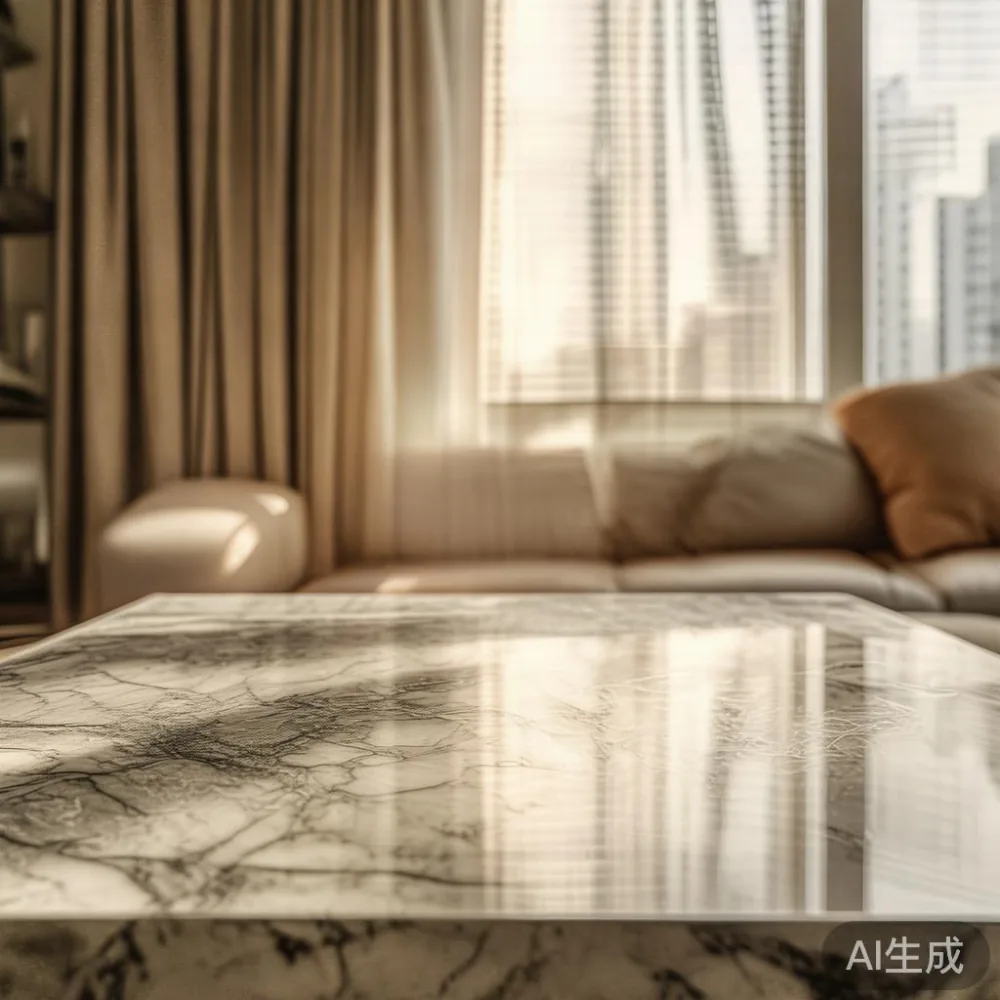
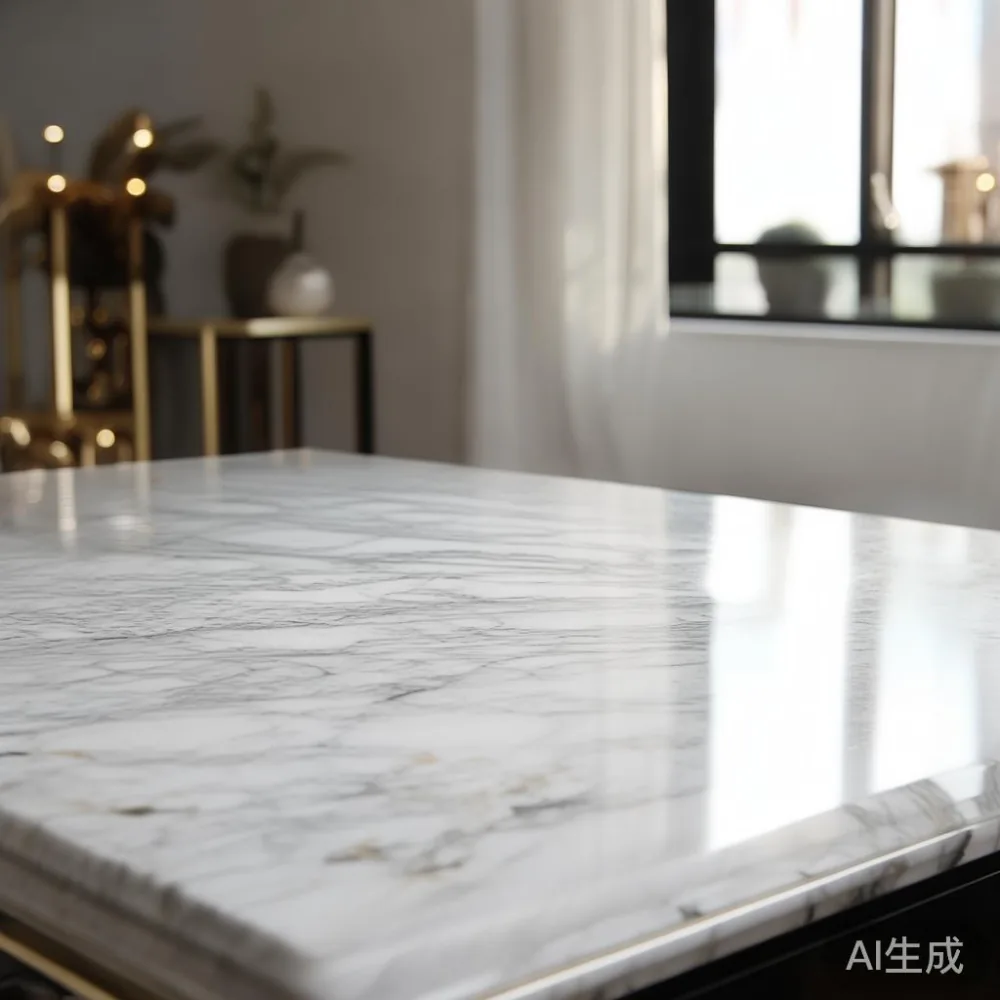
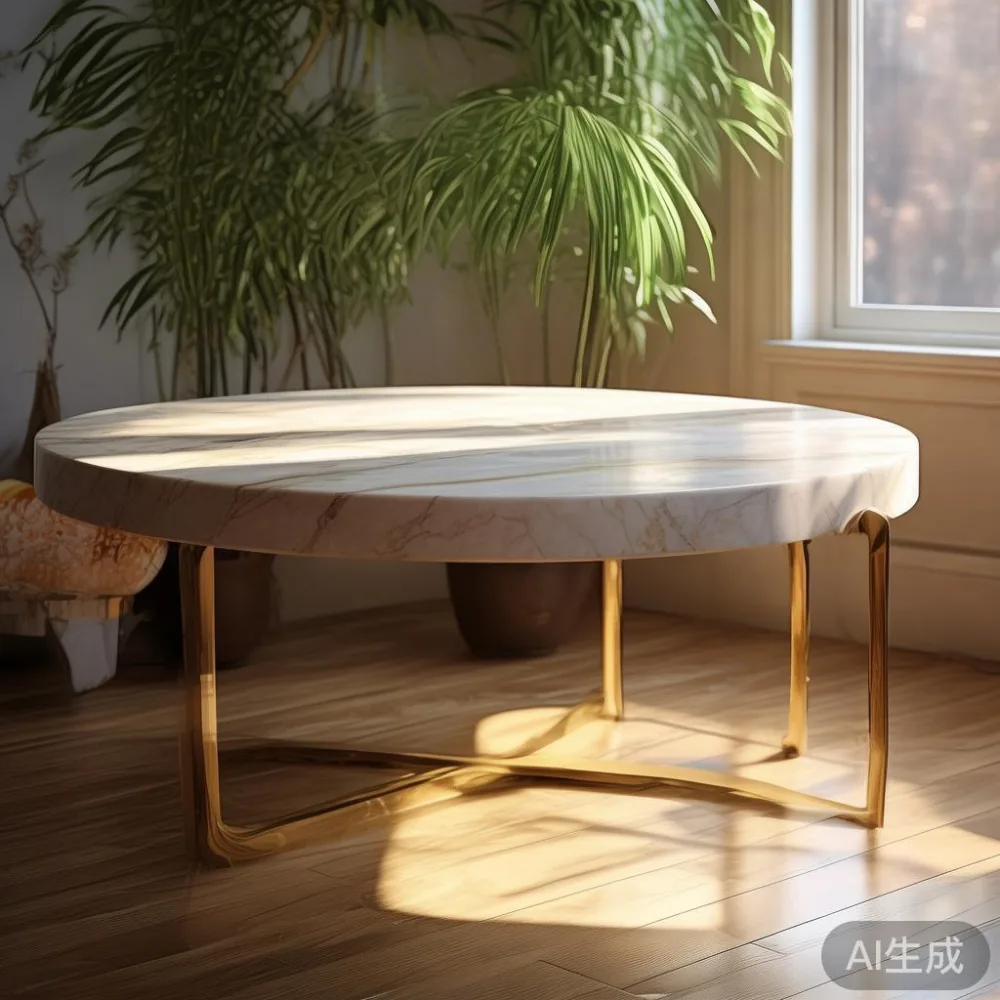
Marble furniture is priced from a combination of material, machining, structural support and installation. A 120 cm round marble table with a 20 mm slab may cost SGD 980, while a 160 cm version with a 25 mm slab and stainless or timber base may cost SGD 2,200. The slab itself may represent only part of the total. Veining, colour, thickness, cut layout and defect control influence the selected piece.
Stone also has different handling demands from timber. A 160 cm by 80 cm marble top may weigh 95 kg with a 20 mm slab. It needs a base designed for the load and vibration, not ordinary furniture brackets. A thin slab can flex, and a polished edge can chip if it is knocked during carrying. A stone top may therefore cost more when it is split into two sections, edge-polished, sealed and installed by two workers.
Marble is porous to varying degrees, so sealing and maintenance affect ownership cost. A buyer should ask for the stone type, slab thickness, edge treatment, sealer information and approved cleaning method. Acidic liquids such as lemon juice can damage some surfaces, and abrasive cleaners can dull polish. In humid Singapore conditions, allow indoor surfaces to acclimatise and protect floors with suitable pads.
How do finish, hardware and light-luxury design affect the price?
Finish is often misread as a colour change. An open-pore matte oil, a hardwax oil and a lacquer system require different preparation, drying times and repair methods. A table with a natural oil finish may cost SGD 1,550, while the same timber with a deeper stained finish, sealed surfaces and more detailed edge work may cost SGD 2,050. Lifetime refinishing can reduce future repair costs, but it should be defined in writing: whether scratches, moisture marks, colour changes and structural repairs are covered.
Hardware matters in wardrobes and beds. Soft-close hinges, metal drawer runners, solid brass fittings and adjustable bed supports can add SGD 90 to SGD 450 to a project. Screws, brackets and dowels still matter, but they should be positioned where they support repeated movement. Hardware costs are easier to evaluate when a supplier lists the component rather than hiding it in a vague “premium” description.
Design language also affects labour. French light luxury often uses pale woods, curved profiles, restrained ornament and upholstery with controlled softness. American light luxury typically emphasises generous comfort, familiar forms and durable finishes for everyday family use. Post-modern light luxury can combine unusual proportions, clean lines and a mix of materials, including timber and marble furniture.
These terms do not automatically justify a higher price. A sofa with a sculpted arm may require more shaping than a straight-arm design. A bed frame with a 120 cm headboard may consume more timber and need extra reinforcement. A dining table with a 75 cm pedestal base can provide better leg clearance, but the base may weigh 45 kg and demand careful assembly.
Buyers searching for 2026 Italian light luxury furniture should ask about measurable details: timber species, finish layers, upholstery composition, joint construction, dimensions and warranty. Style can guide the look; engineering should guide the budget.
What should a Singapore buyer compare before paying more?
Begin with a written specification. For a solid wood dining table, ask whether “solid wood” applies to the top only or to the legs and apron as well. Confirm whether the top is solid boards, finger-jointed solid wood or an engineered wood panel covered with veneer. A veneer may be suitable for a side table, but a buyer expecting a repairable solid surface should know the distinction.
Then measure the route. Record the lift width, lift depth, door width, hallway turns and stair dimensions. A 160 cm wardrobe may pass a 150 cm corridor diagonally, but the calculation should include the wardrobe’s depth and door projections. Allow at least 5 cm to 10 cm of working clearance during the move when possible. For a marble table, state whether the top can be separated and how it will be protected.
Compare service terms with the same attention as design. A 10-year structural warranty is more useful when the supplier defines “structural”, identifies the responsible components and explains how claims are assessed. A 14-day return policy can provide time to inspect colour, damage and fit, though bulky furniture may require return conditions and freight arrangements. Shipping over US$350 may appear attractive, but the currency threshold does not replace checking the final delivered price in SGD.
For compact homes, the practical choice is often the one with less excess size. A 140 cm nightstand can fit beside a 152 cm bed frame in a narrow bedroom, while a 60 cm cabinet may leave enough room for a wardrobe door. A 200 cm dining table may look generous but reduce circulation in an HDB dining area; a 160 cm or 180 cm table with 75 cm to 90 cm clearance may serve more meals with less friction.
A good final comparison places every cost beside a use: timber grade for durability, joinery for stability, finish for maintenance, hardware for daily movement, dimensions for access and delivery terms for installation. Solid wood furniture becomes easier to value when the invoice is connected to measurable construction. Marble furniture can be a strong centrepiece, but a well-supported, correctly measured piece will usually create less inconvenience than a heavier design chosen only for its appearance.