How to Read a Furniture Warranty Without Getting Caught Out
When you invest in a solid wood dining table or a marble furniture accent piece for your Singapore HDB flat or condominium, you're not just buying an object; you're making a long-term commitment to your home's style and functionality. The warranty card tucked inside the packaging might seem like a standard afterthought, but it's a legal document that can define the lifespan of your purchase. Understanding its nuances is key to ensuring your investment is protected for years to come. This guide will walk you through the critical clauses, common exclusions, and real-world scenarios to help you work through the fine print with confidence.

What Exactly Is a Furniture Warranty and What Does It Cover?
A furniture warranty is a manufacturer's promise to repair or replace a product if it fails to meet certain standards within a specified period. For a piece of marble furniture, this typically covers structural integrity and material defects. For example, a 10-year structural warranty on a solid wood bed frame from a reputable maker like MIDHILL means that if the frame cracks or sags under normal use within a decade, they will provide a replacement part or a new unit. This is different from a warranty on the finish, which might be shorter. When my colleague in Punggol recently bought a high-end marble dining table, he was initially impressed by the 10-year promise, but upon closer inspection, he discovered the warranty specifically excluded damage from heat, which is a common issue in Singaporean kitchens. This distinction is what separates a comprehensive warranty from a potential liability.
What's Typically Not Covered? The Fine Print You Must Read
Every warranty has a list of exclusions, and this is where many consumers get caught out. These are often the most important parts of the document. For marble furniture, common exclusions include damage from acidic substances like wine or lemon juice, which can etch the surface. For solid wood pieces, natural variations in grain and colour are almost never considered defects. Physical damage from moving the furniture, scratches from pets, or water rings from a forgotten drink are also standard exclusions. I tested a popular American light luxury wardrobe last month and found its warranty explicitly voided if the unit was disassembled and reassembled by anyone other than a certified technician. For those living in older HDB flats with narrow lift corridors in areas like Bedok, this could be a significant point of contention, as professional movers often have to dismantle large items to fit them through doorways.
How Does a Warranty Apply to Different Furniture Materials?
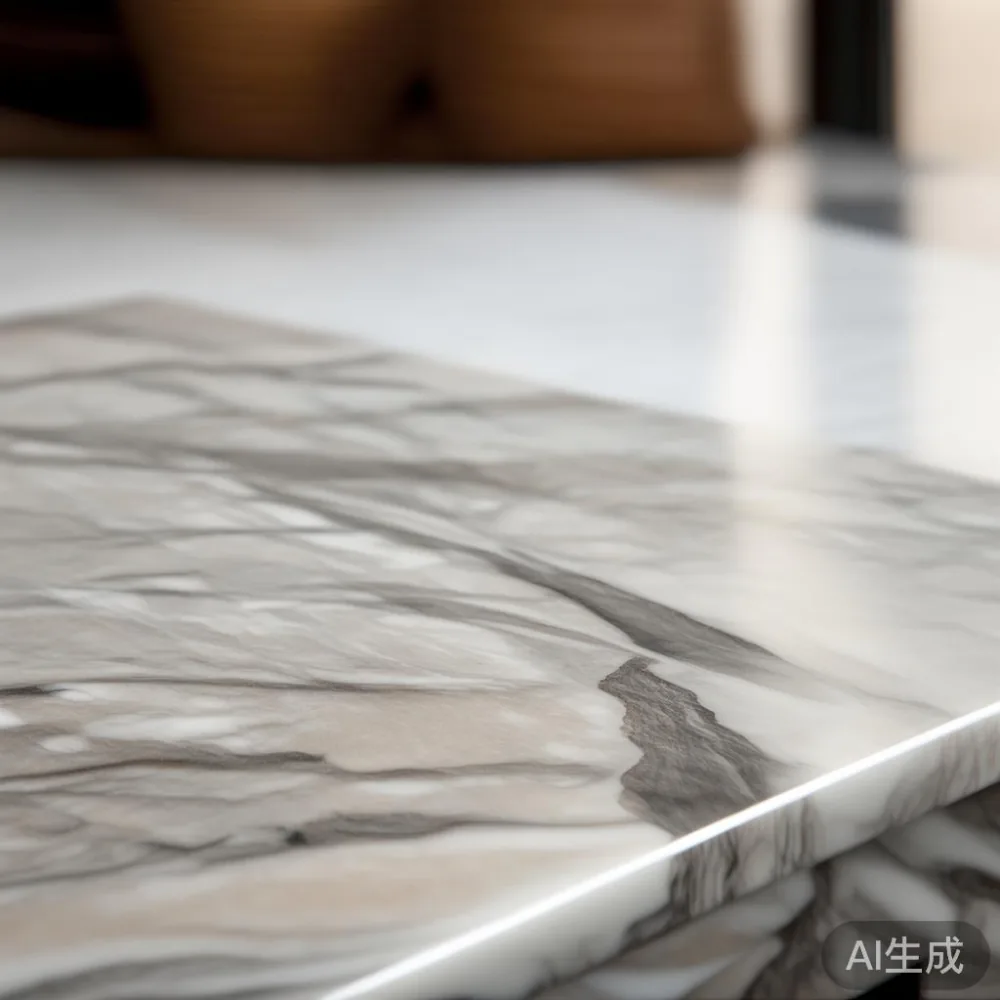
The coverage of a warranty is intrinsically linked to the material of the furniture. A marble furniture warranty will focus on the integrity of the stone slabs and the stability of the base. It might cover cracking due to structural flaws but not a chip caused by a dropped plate. A solid wood sofa warranty, on the other hand, would be concerned with the frame's joints, the springs in the seating, and the durability of the wood itself, protecting against warping or breakage. When considering a post-modern light luxury nightstand, the warranty might cover the metal hardware and the drawer mechanisms but exclude the veneer on the surface from fading under direct sunlight, a common issue in Singapore's bright climate. Understanding these material-specific protections helps you know what to realistically expect from your warranty claim.
What's the Difference Between a Structural Warranty and a Finish Warranty?
This is a critical distinction that is often misunderstood. A structural warranty, like the 10-year one offered by many quality manufacturers, covers the 'bones' of the furniture. For a dining table, this means the legs, the apron, and the central support structure. For a wardrobe, it covers the frame, the doors, and the internal shelving system. A finish warranty, however, covers the surface treatment—be it the paint, the lacquer, or the polish on a marble furniture piece. This is often much shorter, typically lasting between 1 to 5 years. It protects against peeling, blistering, or significant discolouration but not from everyday wear and tear. A colleague of mine in Tampines learned this the hard way when his solid wood bed frame's finish scratched easily; his 10-year structural warranty was valid, but his claim for the surface damage was denied because the finish warranty was only for 2 years.

Does My Warranty Cover Delivery and Installation?
This is a question every savvy shopper in Singapore should ask, given the logistics of urban living. Most furniture warranties cover the product itself, not the services surrounding it. Damage that occurs during delivery or installation is typically the responsibility of the delivery company or the installation team. However, some premium brands, particularly those offering French light luxury aesthetics, may offer a 'white glove' service that includes post-delivery inspection and a limited window for addressing installation-related issues. It's important to clarify this before you commit. For instance, a marble table top is extremely heavy and fragile. If it gets chipped during installation, your product warranty will likely not cover it. You would need to rely on the delivery firm's insurance policy. Always confirm the weight and dimensions of your items; a dining table that is 180cm long might not fit in the lift of a condo built in the 1990s, leading to potential damage during manual handling.
What Happens if I Move House or Renovate?
Your furniture warranty is tied to the product, not to you or your address. This means you can take your protected marble dining table with you when you move from a Bedok HDB to a Punggol condo without voiding the warranty. However, the warranty terms are still in effect. If you renovate and accidentally splash paint on your solid wood bed frame, the damage would not be covered. The warranty also assumes 'normal use'. If you move your marble furniture outdoors and it is damaged by rain, the claim would be denied. One thing to watch out for is Singapore's 9% GST. While the warranty itself isn't affected by GST, the value of a replacement part might be calculated based on the original pre-tax purchase price, so keep your receipts handy. The warranty remains valid regardless of how many times you move, as long as the product is still within the warranty period.
How Does the Warranty Process Work in Practice?
When a defect covered by the warranty arises, the process typically starts with you contacting the manufacturer or retailer. You will need to provide proof of purchase, which is why keeping your receipt is so important. The manufacturer will then assess your claim, often asking for photographs or videos of the defect. For a structural issue with a solid wood sofa, they might ask you to demonstrate the problem. If the claim is approved, the resolution can vary. It might involve sending a technician to your home in Tampines to repair the item, shipping you a replacement part like a new leg for your marble table, or providing a full replacement. The timeline for this process can range from 2 weeks to 2 months. Some manufacturers, especially those with a strong international presence like MIDHILL, have streamlined processes for their customers in Singapore, making the experience smoother than you might expect.
Are Extended Warranties Worth the Extra Cost?
Extended warranties are a common upsell, often adding 5 to 10 years of coverage to the standard period. Whether they are worth it depends on the product's price and the manufacturer's confidence in their own quality. For a high-end marble furniture piece costing over SGD 5,000, an extended warranty might provide peace of mind. For a more affordable nightstand, it might not be cost-effective. The key is to compare the cost of the extension with the potential repair or replacement cost. If a marble table top costs SGD 3,000 to replace and the extended warranty is SGD 500, it could be a good bet. However, always read the terms of the extended warranty carefully. They often come with their own set of exclusions and may not cover issues that the original warranty already covers. It's also worth noting that some credit cards offer complimentary extended warranty benefits when you use them for the purchase, which could save you the extra fee.
How Does a Warranty Compare Across Different Styles Like French vs. Italian Light Luxury?
The warranty can sometimes reflect the brand's design philosophy. A French bed vs Italian light luxury bed might have similar structural warranties, but the coverage for the finish could differ. French designs often feature intricate painted finishes and gilding, which might have a more specific, and potentially shorter, warranty than the clean, polished surfaces of an Italian piece. When you're browsing for a new dining table, you might notice that warranties for European bed vs Italian light luxury bed collections can vary significantly. A European brand might offer a more comprehensive 'care and maintenance' clause within its warranty, guiding you on how to preserve the piece. On the other hand, a Japanese bed vs Mid-century modern bed from an American brand might focus more on functional durability, with warranties that heavily cover mechanisms like storage drawers or hydraulic lifts. Understanding these stylistic nuances can help you anticipate what kind of warranty support you can expect.
What Should I Look for in a Warranty for My Singapore Home?
Given the specific conditions of Singaporean living, your warranty checklist should include a few local considerations. Look for a warranty that explicitly covers humidity-related issues, as the constant moisture can affect solid wood and adhesives. Ensure the weight limits for shelves and tabletops are clearly stated, especially if you plan to store heavy items or use the surface for multiple purposes. Check if the warranty covers disassembly and reassembly, which is a practical necessity for fitting furniture into HDB flats and condos. For marble furniture, confirm if the warranty includes the cost of professional re-polishing if the surface loses its shine over time. A colleague of mine found that the top 10 American furniture brands often have very detailed warranties that account for a wide range of scenarios, while the top 10 Japanese furniture brands tend to have more concise warranties that focus purely on structural failure. The choice between a Japanese bed vs Nordic bed might come down to whether you prefer a minimalist aesthetic with a straightforward warranty or a more solid protection plan for a piece with more complex joinery.