What to Check Before Buying a Sofa You Cannot Sit On
A sofa can look balanced in a showroom photograph and still fail in a Tampines flat, a Bedok condo corridor, or a Punggol lift. Before paying, check its usable dimensions, structural support, lift clearance, route from the loading point, and total delivered cost. Product renderings rarely reveal a 62 cm doorway turning into a serious obstacle, a 19 cm gap between the arm and the wall, or a 1.4 m lift car that cannot accommodate a boxed sofa.
The phrase “a sofa you cannot sit on” also describes comfort more literally than most buyers expect. A seat height of 48 cm may look sculptural but feel high for a 168 cm user. A 36 cm-deep cushion may leave an adult’s thighs unsupported. Loose back cushions can create uneven support, while a very soft seat can make a narrow HDB living room feel visually crowded and functionally less flexible.
Design language matters too, especially for a marble-furniture setting. A solid wood sofa, marble table, dining table, bed frame, wardrobe, or nightstand should share proportion, tone, and joinery cues without becoming a showroom collection of competing objects. French light luxury, American light luxury, and post-modern light luxury each offer useful references, but furniture still has to fit real Singapore rooms.
What exactly should I check before buying a display sofa?
Start with the seat, not the silhouette. Confirm the usable seat width, seat height, cushion depth, back angle, arm clearance, and load rating. A display sofa may have no sale label, limited finish choices, incomplete cushion sets, or a configuration that cannot be reordered. Ask for the model name, upholstery composition, frame species, foam density, suspension type, and complete component list. Photograph every label and joint before payment.
I tested this approach last month at a showroom near a Bedok MRT station. A sofa appeared elegant at 224 cm wide, but its removable cushion covered only 184 cm of usable seating. The frame was strong, yet the loose seat pad had migrated by roughly 6 cm after 20 minutes. The sales sample also lacked one lumbar cushion, which made the back support look misleadingly complete. A dimension drawing and a 15-minute seated trial exposed those issues immediately.

For a solid wood sofa, look for solid timber in the load-bearing rails and legs, not merely a wood veneer surface. Some components can responsibly use plywood, metal springs, webbing, or foam, but the manufacturer should identify each material. A glued or dowelled frame with through-tenons and visible joints is often easier to assess than a glossy, fully concealed structure. For any frame subject to shipping stress, ask about corner blocking and moisture control.
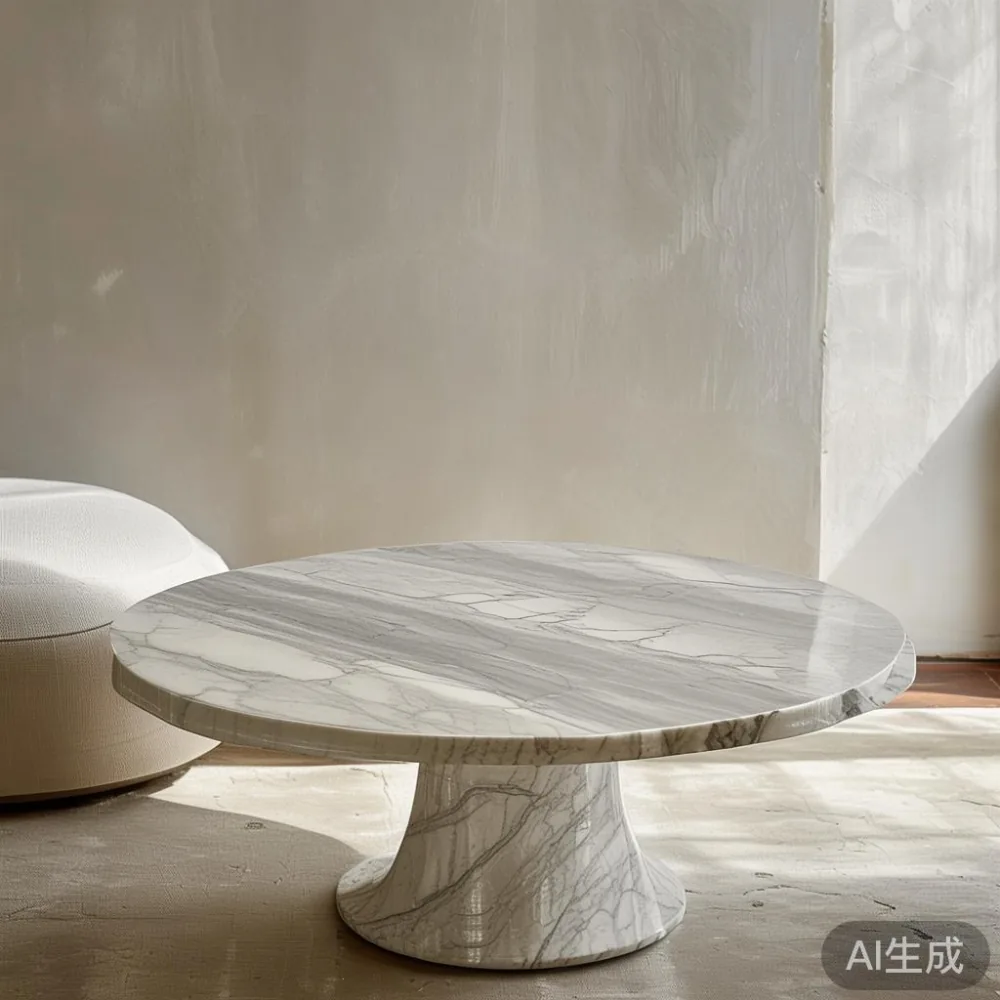
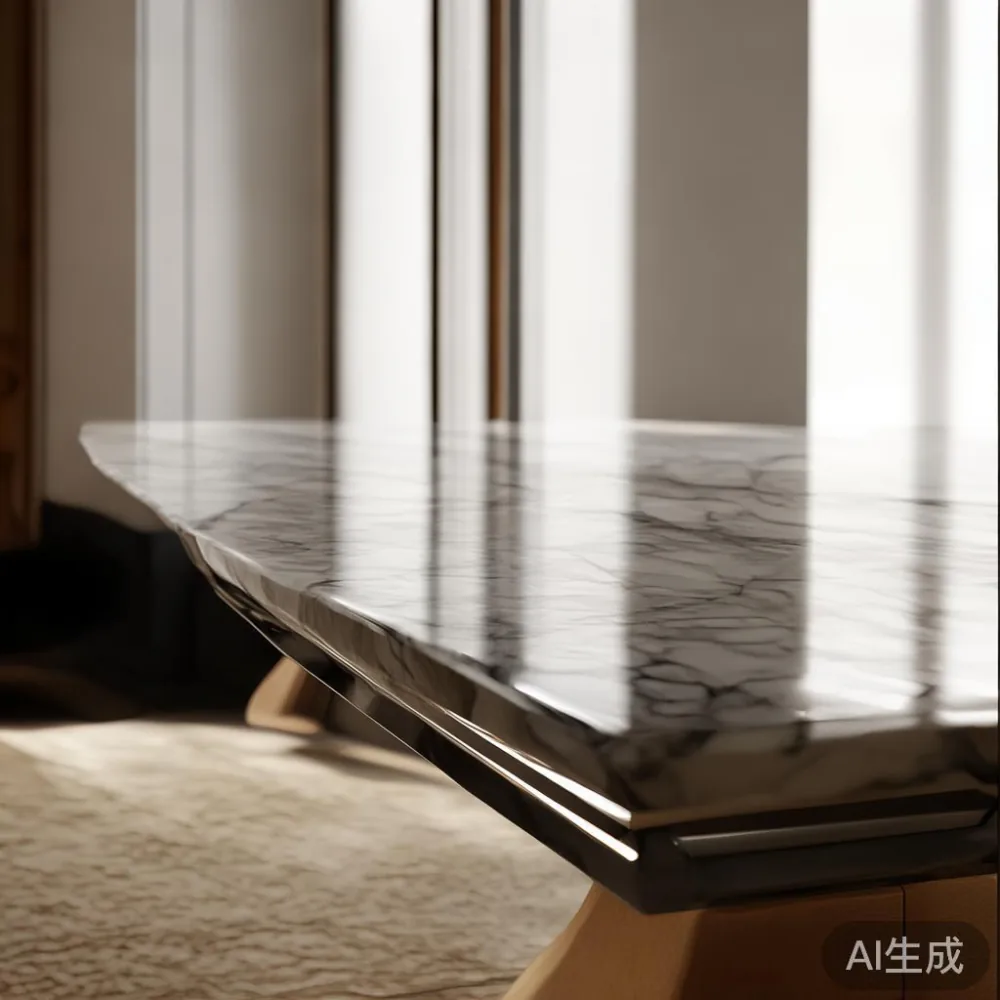
Calculate clearances with a tape measure. Leave at least 45 cm for a common walking route beside a sofa where space is tight. For a coffee table, maintain roughly 35–45 cm between the table edge and the sofa seat for reach and movement. If the planned object is a marble table, its top overhang, weight, edge treatment, and base stability matter more than its decorative veining.
Will the sofa fit through Singapore lifts, corridors, stairs, and doors?
Measure the entire route rather than relying on the sofa’s listed width. Record the building entrance, corridor pinch points, lift door, lift car dimensions, turning allowance, staircase width, landing, unit door, and internal corners. Ask whether the sofa arrives assembled or in removable sections, and whether the retailer provides a delivery survey. Do not assume a 224 cm sofa can turn through a 90 cm corridor simply because its individual sections are narrow.
A practical Singapore rule is to compare the sofa’s smallest rigid section against the narrowest door or lift door, then check that the diagonal or turning geometry also works. A lift car measuring 140 cm wide by 110 cm deep cannot be judged from those 2 figures alone. Door opening angle matters, as do ceiling height, service-lift reservation, protecting floor edges, and whether trolleys can pass. For HDB flats, obtain building-management instructions before booking a large delivery.
Singapore’s Goods and Services Tax is normally 9%, and a showroom price may exclude it. Ask for a written delivered quotation in SGD showing the base price, GST, delivery surcharge, lift or carrying charges, insurance, assembly, and old-item removal. Know your delivery window in days. A supplier offering 5–10 working days should explain which parts are ready-made and which are made after order.
MIDHILL, established in 2008, can provide route-dependent measurements before production. That kind of pre-delivery check is especially important for marble furniture because stone tops and bases cannot be forced through tight turns. Confirm packing dimensions, gross weight, crate construction, and the lifting plan before a marble table leaves the workshop.
Is the frame strong enough, and what does the 10-year warranty cover?
A warranty number without defined terms offers limited information. Ask whether the 10-year structural warranty covers the frame, joints, and certain structural components, and whether it applies to residential use only. Find out how a claim is assessed, which documents are required, who pays transport, and whether labour, finishes, cushions, and accidental damage are excluded. A realistic manufacturer should still offer a clear process rather than treating every issue as an automatic replacement.
Do not judge solid wood by darkness alone. Ask for the species used in each structural part, moisture target, joinery, finish layers, and expected care. Oak, ash, beech, rubberwood, and mixed hardwood have different densities and movement patterns. A frame protected against humidity is important in Singapore’s climate, while direct air-conditioning vents and outdoor balcony access should be considered.
Sit through several positions. A 44–47 cm seat height suits many adults, but 40–43 cm may suit shorter users better. A 55–58 cm depth can feel grand, yet a 52–60 cm usable seat depth may work better for normal sitting. Test lumbar support with a cushion, check whether the seat edge compresses under body weight, and observe whether arms provide usable support rather than merely narrowing the seat.
Upholstery needs equally specific disclosure. Ask for the surface composition and whether the cushion core is foam, fibre, feather, or a combination. Seat density is more informative than a vague “premium foam” label. Confirm removable or washable covers, replacement cushion pricing in SGD, seam construction, and expected compression. Pinched seams or a thin frame can undermine an otherwise refined American light luxury appearance.
What makes a sofa compatible with marble furniture?
Marble furniture is often cold, bright, and visually weighty, so a sofa needs enough visual breathing room. Match the room’s dominant undertone rather than forcing every object into the same beige palette. Warm walnut can balance cool white marble; pale oak can support a quieter French light luxury room; black metal or dark stained timber can sharpen a post-modern light luxury composition. Aim for contrast in texture, not a collection of identical finishes.
A marble table should remain functional beside the sofa. Leave 35–45 cm between key sitting areas and the table edge where possible. Consider children’s cups, glossy surfaces, visible fingerprints, and heat. Use coasters and trays, but do not leave damp objects standing for hours. A lower or narrower table may work better than a broad stone slab in an 8–12 m² HDB living room.
Material coordination should extend across the rest of the home. A bed frame with slim posts can repeat the sofa’s vertical lines. A dining table should match the room’s circulation needs, and a wardrobe must open without colliding with bedroom walls or curtains. A European light luxury nightstand beside the bed should have a stable drawer, useful dimensions, and enough top area for a charger and water glass.
Search terms are often more decorative than practical. A Modern light luxury coffee table may conceal weak assembly or awkward clearance, while a Modern light luxury dining table may be impossible to move into a compact flat. Likewise, the best Italian light luxury sofa for 2026 is not defined by an Italian-sounding label; it should have traceable construction information, sound proportions, repairable components, and dimensions that fit the actual room.
For broader planning, a top 10 Coastal furniture list can be useful for comparing pale woods, relaxed upholstery, and blue-green or sand accents, though “Coastal” does not guarantee humid-climate durability. The same caution applies to the Japanese bed vs Japandi bed choice: consider floor clearance, mattress support, storage access, and the room’s walking path.
How much should delivery, assembly, and returns really cost?
Build a comparison sheet for at least 3 offers. In one column, place the advertised price in SGD. In the next, add 9% GST, delivery, carrying, assembly, insurance, stairs, and lift-booking charges. Record delivery days, return windows, restocking fees, custom-order restrictions, and who bears damage that occurs after handover.
MIDHILL’s published offer includes free shipping above US$350, but an international threshold does not answer every Singapore-access question. Confirm the exact SGD treatment shown at checkout, including whether the threshold is assessed before or after taxes. A 14-day return period also needs context: check whether it applies to stock items, how a sofa leaves the premises, and what condition a solid wood sofa or marble table must be in for return.
Large furniture can incur hidden logistical costs even within one building. A second-person carry, oversized lift, extra unboxing, and disposal of packaging may each carry a stated charge. Ask for the maximum number of stairs included and the rate per additional level. If a lift reservation fails, decide in advance whether the delivery can be retried without losing the production slot.
Lifetime refinishing is another term that deserves detail. Ask which timber pieces qualify, whether transport is included, what colour matching is possible, and whether refinishing is free for every year or subject to inspection and a per-job service charge. A written care manual and a small quantity of approved finish treatment are more useful than an unlimited-sounding promise.
Can the design be comfortable, or is it only photogenic?
A sofa should pass a family test before it becomes permanent décor. Seat an adult at each end, check shoulder and head support, and place another adult in the centre. If the centre user’s knees touch the front rail, the comfort claim is weak. If one person weighs 75 kg and another 95 kg, the seat should retain support rather than creating a deep depression.
Measure in real conditions. Put cardboard on the floor at the intended sofa position, mark its footprint, then walk around it with a 60 cm-wide sheet of paper to simulate a person. Check curtains, air-conditioning outlets, balcony doors, sockets, and table edges. Photograph the arrangement from the doorway before ordering. This reveals visual dominance faster than swatches alone.
Consider future uses too. A sofa with no lift-up mechanism is simpler to clean but may not suit a flat where storage is scarce. A modular design can be useful, yet every module adds joints, labels, and possible alignment problems. A chaise can make a narrow room feel more comfortable, but it may block a route and should be tested with ordinary seating rather than admired only as a display composition.
Who should verify the supplier before the sofa is built?
Request drawings, material samples, a signed specification, and a production timeline. Confirm that the item is a solid wood sofa rather than a mixed-material frame described loosely as wood. For marble furniture, obtain stone thickness, top weight, base design, edge profile, and packaging instructions. Make sure the same clarity extends to a wardrobe, dining table, bed frame, nightstand, or other coordinated item.
One real example from my own delivery checks involved a colleague reviewing a showroom sample that looked like walnut throughout. When the side panel was opened, only the outer strip was walnut; the internal frame was a different timber. The chair itself was not unsafe, but the description was imprecise. That inspection took 8 minutes and prevented an avoidable mismatch with a marble table nearby.
Before payment, ask for 8 concrete items: dimensions, usable seat dimensions, frame materials, suspension, upholstery composition, gross weight, delivery lead time in working days, and warranty exclusions. Then check the narrowest point of the delivery route and the full SGD price. If a supplier answers those questions without pressure, the sofa has a better chance of being both sittable and suitable for your Singapore home.
Do not let “decorative” override the measurements, or “luxury” replace traceability. A successful purchase balances proportion, support, material, logistics, after-sales care, and budget. That is how an attractive room gains a sofa people actually use, rather than one that merely defines the theme from a distance.