Singapore Climate: Marble Surface Care
Singapore’s humidity, warm rain, and salt-laden air can make a lacquered surface look tired faster than the same finish would in a drier climate. For households in HDB flats and private condos across Tampines, Bedok, and Punggol, careful maintenance matters because lacquer can develop haze, stickiness, fine scratches, or pale water marks. This guide explains how to care for lacquered wood and marble furniture while keeping the room calm, practical, and visually refined.
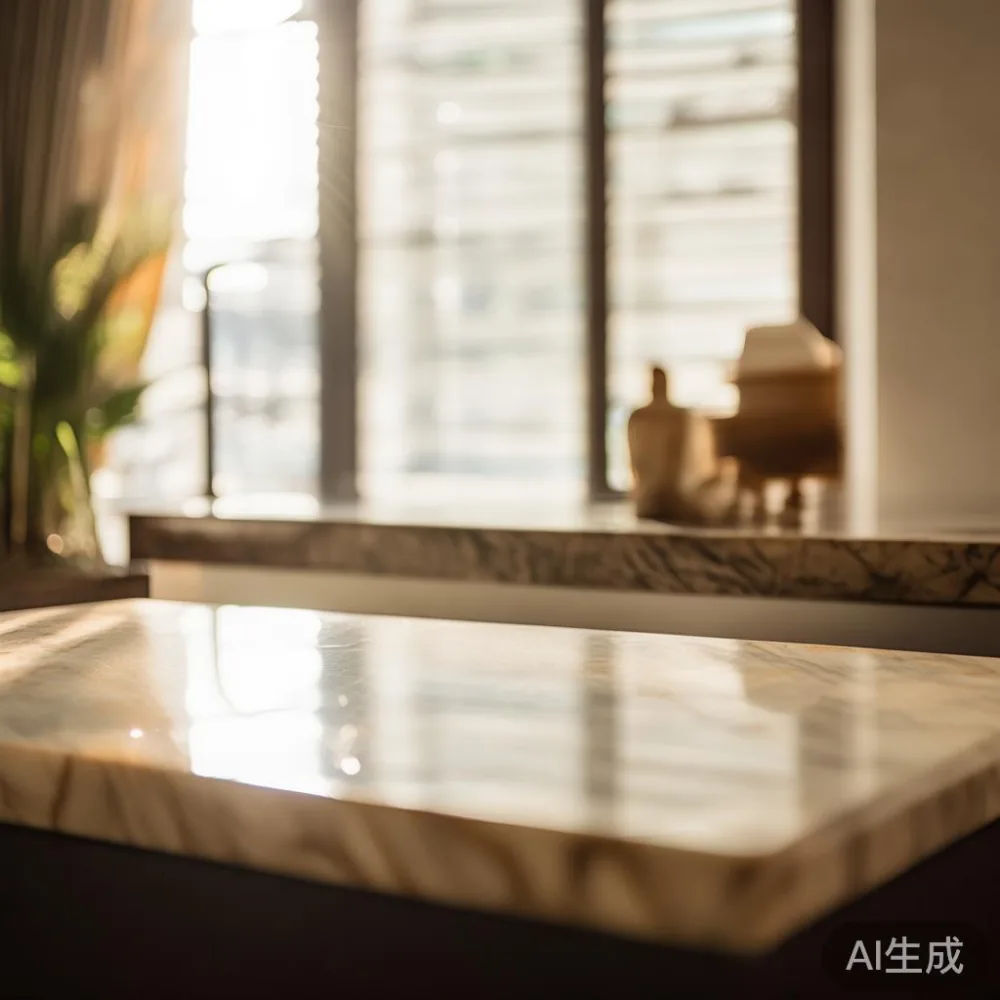
At MIDHILL, lacquered pieces are designed around a light-luxury vocabulary: solid wood sofa frames, solid wood bed frames, dining tables, wardrobes, nightstands, and occasional marble table tops. French light luxury often relies on restrained forms and tactile finishes, while American light luxury tends toward comfortable proportions and a more relaxed mood. The finish still needs disciplined care in a tropical city.
Why does lacquer behave differently in Singapore?
Singapore’s average relative humidity commonly sits between 70% and 85%, with monsoon periods bringing longer periods of dampness. Lacquer is generally more resistant to a water spill than untreated wood, but moisture can still affect the appearance of a topcoat, the wood beneath it, and any joints or edges that have been assembled with precision.
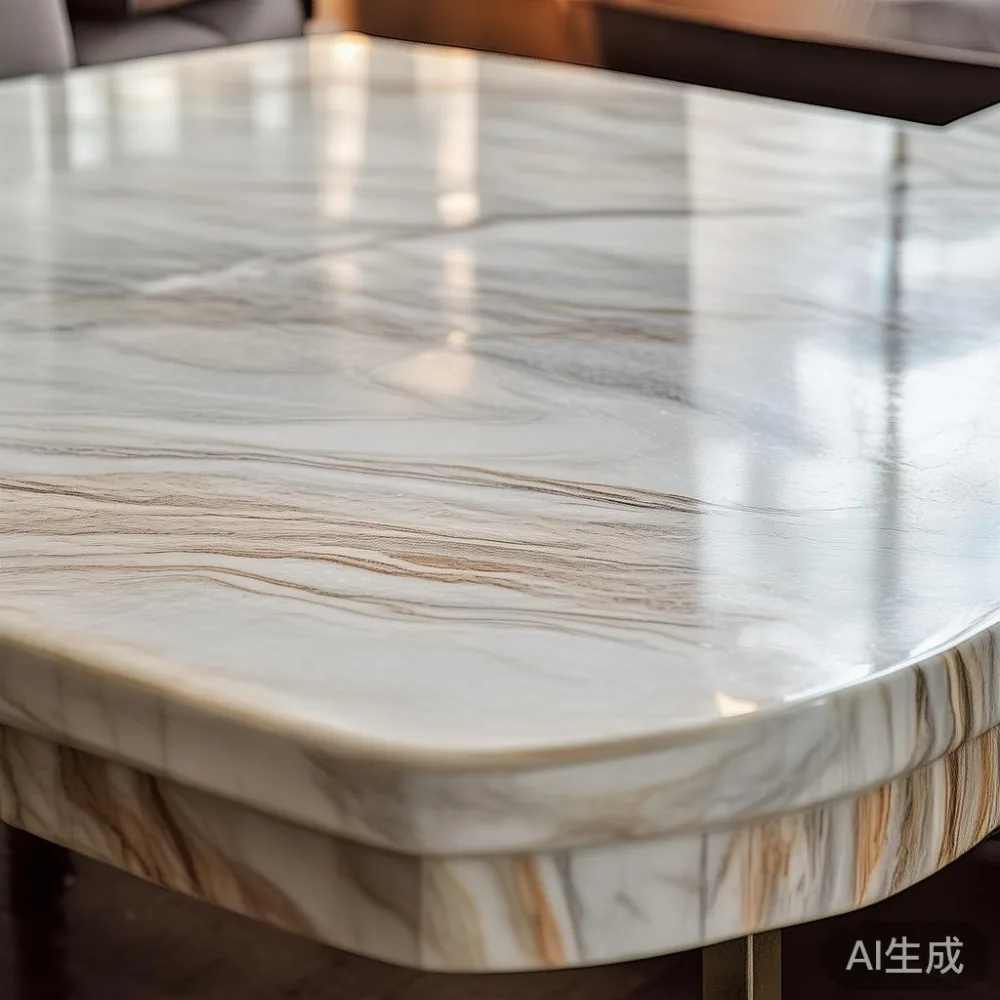
Air-conditioning helps, yet its job is to lower temperature and moisture rather than create a perfectly stable environment. A cabinet beside a frequently opened window may encounter direct sun for 30 minutes each morning and condensation from an air-conditioned corridor. Meanwhile, a marble table near an open kitchen can be exposed to grease, steam, and acidic cleaning products.
Wood movement also deserves attention. Solid wood can expand roughly 1–3 mm across a 100 cm width as humidity changes. That small movement can place stress on lacquer around panel edges, routed details, and timber-to-timber joints. The answer is not to over-polish or over-clean, but to control moisture exposure and use mild products suited to the confirmed finish.
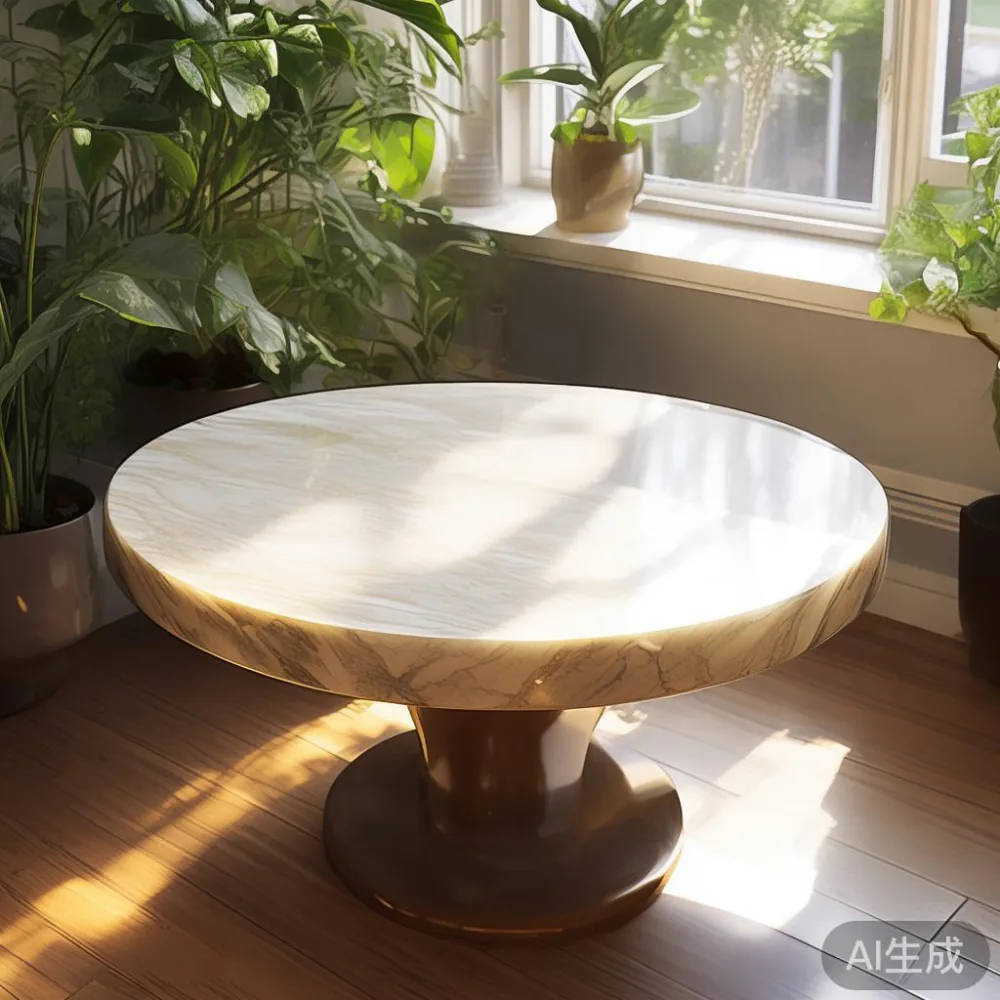
For a new lacquered dining table, allow approximately 48–72 hours after delivery before placing heavy tablecloths, books, or decorative objects on the surface. Keep standing plants at least 30 cm away, and avoid radiators or portable heaters within 60 cm. A small gap can reduce heat and moisture concentrated at one edge.
What should I use to clean a lacquered surface?
Begin with a soft, lint-free microfibre cloth. Use lukewarm water around 25–30°C, not hot water, and add one small teaspoon of pH-neutral dishwashing liquid to a bowl holding roughly 1 litre of water. Dampen the cloth rather than the furniture: the aim is to remove residue while keeping water away from joints, seams, and exposed timber.
Wipe with light pressure in the direction of the grain or finish. Dry immediately with a separate clean cloth. Never leave a wet film to evaporate, because mineral deposits in Singapore tap water can leave marks. Common kitchen acids—including vinegar, lemon juice, and some degreasers—can dull lacquer, so avoid them unless a finish specialist explicitly approves the product.
Alcohol-based glass cleaners and solvent sprays require particular caution. Test a hidden area of 10 cm × 10 cm for 24 hours, then compare it with the untouched surface under daylight. If the test patch becomes dull, sticky, discoloured, or rougher, stop using the product. Cleaning frequency matters too: wipe a dining table every 2–3 days during heavy meal preparation, but a wardrobe exterior usually needs only a weekly dusting and a monthly damp wipe.
For fingerprints around a solid wood sofa arm, a dry microfibre cloth often handles the first pass. If residue remains, use the diluted solution above and dry at once. Do not use baking soda as an abrasive paste. Its particles can scratch a gloss finish, even if the scratch is initially difficult to see.
How should I prevent scratches, heat marks, and sticky surfaces?
Place coasters and trivets rather than protective mats that can trap moisture. A 10 cm coaster under a cold glass is sensible; a 30 cm trivet is better beneath a hot serving dish. Lacquer should not be exposed to cookware above approximately 60°C. Use a heat-resistant stand for a steaming pot, and move a hot vessel to a separate stone or timber board before it reaches the dining table.
Sticky lacquer can indicate moisture beneath or on the surface, residue from an unsuitable cleaner, or a finish defect. Do not diagnose it by repeatedly rubbing the area. Stop using the suspected product, ventilate the room, and allow the surface to return to a stable, dry condition. If tackiness remains after 72 hours at 24–28°C and 45–60% relative humidity, contact the maker for an inspection.
Use felt pads beneath table lamps, alarm clocks, décor, and charging stands. Replace adhesive pads every 6–12 months, since aged adhesive can hold grit against the lacquer. At the entrance to a Bedok or Tampines HDB flat, a 90 cm × 60 cm outdoor mat can reduce dust and grit tracked across an 80 cm dining table. Avoid abrasive scouring pads, wire wool, and rough cloths, all of which can leave permanent hairline marks.
Lift and corridor dimensions can also affect delivery planning. A lacquered solid wood bed frame may arrive as protected modules rather than one large piece; a condensed wardrobe may require two installers and a 90 cm lift opening, while a broad dining table may need a 3-person lift team. Protect the lacquer with moving blankets during transit rather than relying on cardboard alone.
How do I care for lacquered wood in a humid bedroom?
Bedroom humidity is easier to control than living-room humidity. Keep the air conditioner around 24–26°C and aim for 50–60% relative humidity where the model permits. Open blinds during dry daylight hours, but do not place a lacquered bed frame or wardrobe where afternoon sun can strike it for more than 30–60 minutes.
Check the back of a nightstand for lifting, flaking, or a faint tacky feeling every 3 months. Do not use furniture polish simply because the wood looks dry; polish may create a temporary shine while leaving residue at edges. If the finish feels slightly dry, apply a manufacturer-approved wood treatment sparingly to a cloth and test it on a concealed 10 cm × 10 cm section first.
For an apartment refresh, the practical question is not only which colour to choose, but how the room will be used. Searches for how to style Japandi bed in apartment often favour low solid wood frames, linen bedding, and a quiet timber palette. The same principle supports lacquer care: simple materials, moderate humidity, and fewer objects directly touching the finish.
Wardrobe doors need airflow. Leave 3–5 cm between the cabinet side and a wall where space allows, and keep interior drawers closed when humidity from laundry is high. Do not hang damp bath towels against a lacquered wardrobe door; cotton can hold moisture against the surface for 30–60 minutes.
Can marble furniture use the same care routine?
Marble furniture needs a slightly different approach. A marble table top can tolerate a damp wipe when the pH-neutral solution is used, but acidic liquids can etch the stone. Wipe spilled citrus juice, wine, and vinegar within 1 minute. Even after an invisible clean, repeated exposure can leave dull areas that alter the reflection of a lacquered or solid wood dining table nearby.
Use a neutral stone cleaner only if the supplier confirms compatibility with the marble treatment. Test it beneath the table or on a concealed area for 24 hours. Do not assume a cleaner labelled “natural” is safe; “natural” does not identify a controlled pH level. Avoid lemon, vinegar, ammonia, bleach, and scouring powder.
For a marble table in a Singapore condo, place coasters under glassware and use a barrier beneath cosmetics, crayons, coloured pens, and skincare products. Repair an accidental spill by blotting rather than scrubbing, because marble can be scratched by grit dragged across the surface. A solid wood nightstand may protect its top with a fitted tray, leaving 2 cm around a cup so moisture does not migrate to the lacquer edge.
Those searching for for sale American furniture may encounter both lacquered timber and stone surfaces at different price points. The finish specification should be checked rather than inferred from a photograph. Ask whether lacquer is water-, solvent-, or heat-resistant, whether the marble is natural or engineered, and which cleaning products the maker approves.
What should I do if a lacquered surface develops white marks?
White haze often follows hot vapour, steam, or a dried cleaning film. Begin by wiping with a clean microfibre cloth dampened with distilled or filtered water, then dry immediately. Do not apply pressure or metal polish. If the haze remains, obtain the finish supplier’s recommended treatment; abrasive household remedies can turn a recoverable mark into a permanent dull patch.
Water rings should not be corrected with a household bleach product. Bleach can attack both lacquer and some colourants. If a mark has been present for more than 7 days, is larger than 5 cm, or appears after a hot object was removed, document it in daylight and contact the furniture maker. Include the approximate temperature of the object, the duration of contact, the cleaning method used, and a photograph taken under indirect daylight.
For a lacquered dining table, refinishing may involve cleaning, abrasion, resealing, and curing. It should not be attempted with online sanding sequences without knowing the coating system. Uneven gloss and exposed timber are signs that specialist work is required.
Delivery damage is different from a climate-related mark. Photograph the furniture before accepting it, retain the packaging for up to 7 days, and report transit damage promptly. MIDHILL provides a 10-year structural warranty, while lacquer appearance and care are separate from structural integrity. A careful owner can still avoid most finish problems by controlling heat, moisture, grit, and contact.
How often should a lacquered dining table be maintained?
A practical schedule is easier to follow than an occasional aggressive clean. Dust a lacquered dining table twice weekly. Wipe it after meals with a lightly damp cloth, then dry it. Once a month, inspect under a lamp for scratches, dull patches, bubbling, lifting, or stickiness. Every 3 months, check the underside and edges for changes. Every 12 months, review the finish with the maker if the table sits near a window, kitchen, or balcony door.
During a 2-week home trial, use the table normally but place coasters from day one. A person-centred trial reveals whether the finish suits Singapore’s climate more clearly than a showroom sample. My colleague visited a client’s Tampines condo last month and watched a mug leave a faint ring after hot coffee had been left for 4 minutes. The lacquer itself had not failed. The mug had been placed directly on the surface without a coaster. We cleaned the ring with warm water and a pH-neutral detergent, dried the area, and it disappeared within 10 minutes without polishing. That observation reinforced how much ordinary placement habits matter.
Storage and style should support the same routine. A compact dining table of 140 cm × 80 cm works well in many HDB dining rooms, but it still needs 90 cm of circulation space and 60 cm of pull-out space for chairs. A 180 cm × 90 cm model suits larger dining zones; ask the supplier to confirm lift and corridor access before ordering.
Online collections can also prompt questions about sizing and finish. Searches for top 10 Modern furniture often lead to broad galleries rather than climate-specific guidance, while a query for best Modern wardrobe for 2026 may focus on internal fittings rather than exterior lacquer. A 200 cm-wide wardrobe may need a 220 cm delivery route after packaging, and a wardrobe with a wide hinged door may require additional turning space in a 90 cm corridor.
For a lighter visual direction, searches for best Japanese sofa for 2026 can point toward low solid wood sofa frames, but every frame should be checked for lacquer compatibility. A solid wood bed frame, dining table, wardrobe, or nightstand should have a documented finish system. This matters whether the owner follows French light luxury, American light luxury, or post-modern light luxury: restrained colour cannot compensate for a damaged surface.
How do I maintain lacquer without overdoing it?
Good care has four rules: dry first, dilute second, test third, and respond quickly to spills. Keep a dedicated microfibre cloth and a 1-litre spray bottle nearby, but do not spray cleaner directly onto the furniture. Label the bottle with the date and dilution ratio, and replace the solution every 2–3 weeks so old residue is not reused.
Do not stack heavy objects on a lacquered wardrobe top, even if the cabinet appears sturdy. A 15 kg box can concentrate pressure on a small area and stress the lacquer or frame. Use closed storage where possible. For occasional display, distribute the weight with a stable base and maintain a 5 cm clearance from the wall.
Keep the finish away from permanent adhesive. Command strips, masking tape, and suction mounts can lift lacquer when removed, especially after 6–12 months. Use a freestanding mirror stand instead. For a marble table, a felt-bottomed accessory protects the stone without trapping water against a timber edge.
A wardrobe project offers another useful framing. If the owner is working out how to style Japandi wardrobe in room, place pale timber, warm lighting, and simple storage on a calm background while preserving ventilation. An overfilled interior can increase moisture retention, and a tightly fitted toe kick can block airflow.
What should I ask before choosing lacquered furniture?
Ask the seller for the lacquer type, approved cleaners, heat limits, repair process, and warranty distinction between structure and surface finish. Confirm whether the surface is natural veneer, solid timber, lacquered board, or a combination. The product terms should remain clear: a solid wood sofa may use lacquered timber alongside upholstered cushions, while a dining table may combine a lacquered base with a natural marble top.
Measure the route before paying a deposit. Record the lift door width, internal door width, corridor turns, and staircase landing. For a large marble table, calculate the packaged dimensions rather than the bare dimensions; foam and protective crates can add 5–15 cm. Singapore GST is normally shown as 9%, and a registered local seller should provide the tax treatment clearly.
Delivery usually takes 10–30 days for configured pieces, although stock and production schedules vary. Confirm the day in writing. MIDHILL offers free shipping above US$350, or approximately SGD 460 based on a rough exchange rate of SGD 1.32 per US$1; the checkout currency and final local charge should still be checked. Returns are accepted within 14 days under the applicable policy, with the item protected and in resalable condition.
A light-luxury finish should invite touch without demanding constant intervention. The right routine takes less than 10 minutes after a meal and 15 minutes for a monthly inspection. Used consistently, it preserves the clean lines of a solid wood sofa, bed frame, dining table, wardrobe, nightstand, or marble table while respecting Singapore’s climate.