Caring for Marble Furniture in Singapore’s Tropical Climate
Lacquered marble furniture can look quietly luxurious in a Singapore home, but tropical heat, humidity, salt-laden air, and frequent hand contact place a different kind of pressure on every surface. For residents of HDB flats and condos in Tampines, Bedok, and Punggol, the real challenge often begins after delivery: fitting a dining table through a lift, protecting a marble table beside an open kitchen, and maintaining the finish on a wardrobe or bed frame without turning care into a full-time chore.
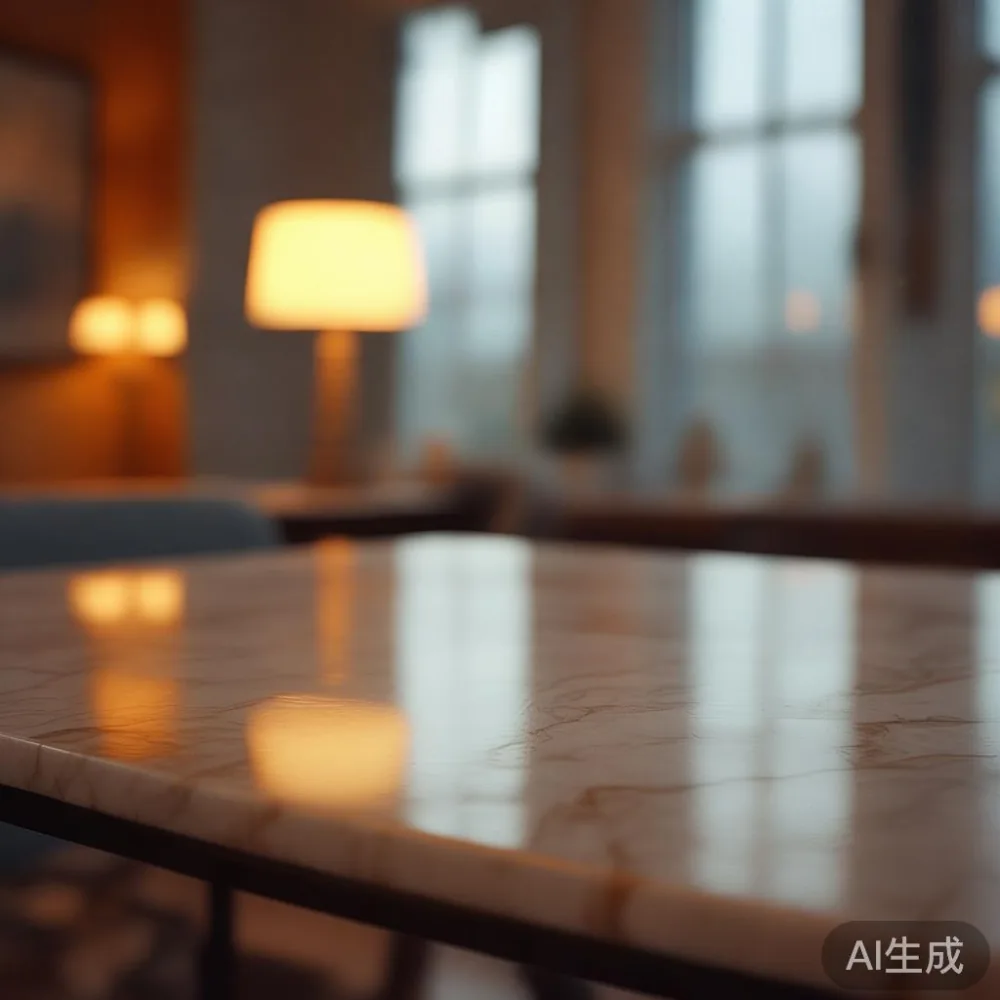
At MIDHILL, we build solid wood furniture and marble furniture for clients who appreciate restrained craftsmanship, useful proportions, and finishes designed for daily life. Our 10-year structural warranty covers the frame, while lifetime refinishing support reflects the long service life we expect from well-made pieces. The information below focuses on lacquered marble surfaces, with practical care routines for Singapore conditions and clear limits on what owners should expect from lacquer.
How should I care for a lacquered marble surface in Singapore?
The safest approach is controlled, gentle, and consistent. Keep the surface away from standing water, prolonged direct sunlight, extreme heat, and abrasive cleaners. Use a soft microfibre cloth, clean water, and a pH-neutral stone soap diluted according to its instructions. Wipe spills promptly, dry the area with a separate clean cloth, and avoid dragging coasters, saucepans, or unglazed ceramic objects across the finish.
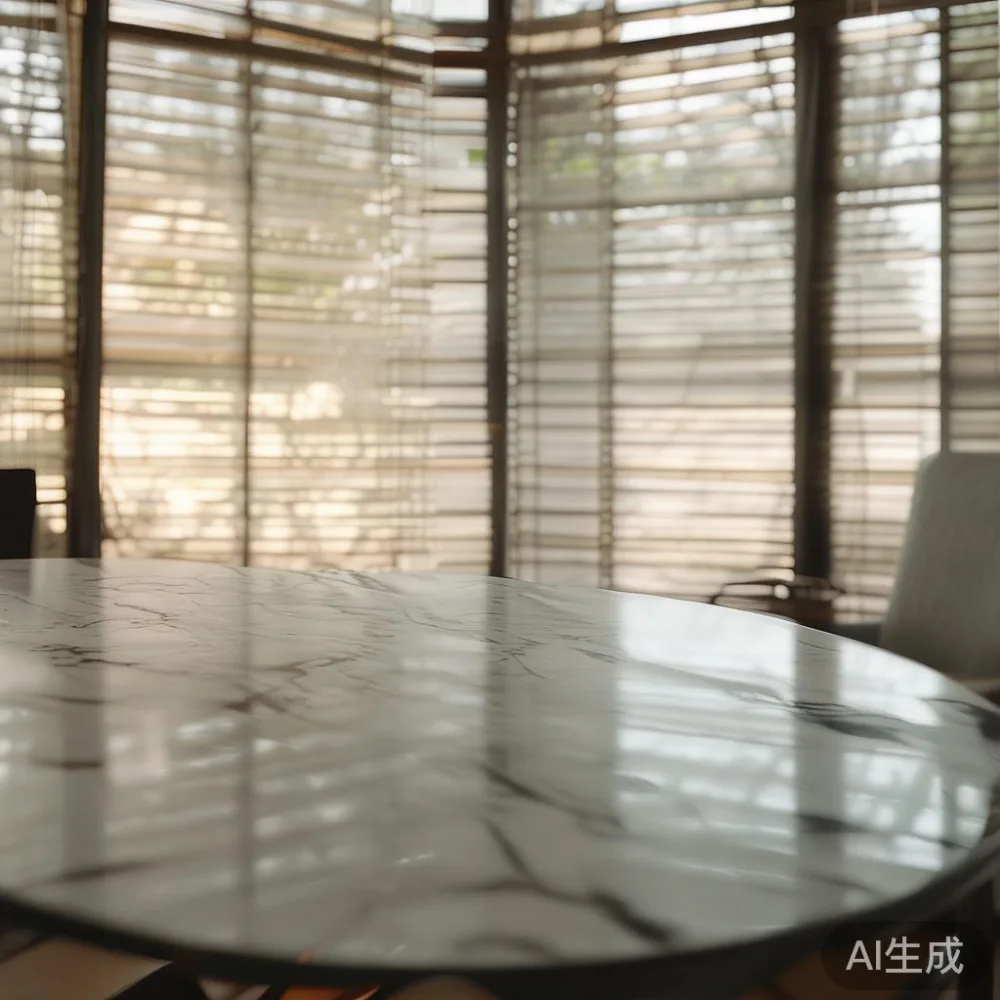
For lacquered marble furniture, think of the lacquer as a protective membrane over the stone. It can slow the entry of moisture, but it is not a waterproof barrier against every chemical, heat source, or impact. A sealed dining tabletop still needs sensible use. A lacquered nightstand should not be treated as an outdoor table, and a lacquered wardrobe door should be opened by the edge or a pull rather than by pressing your ring against the coated panel.
Humidity in Singapore commonly sits around 60–80% for much of the year, with daily temperatures near 26–33°C. These conditions can stress adhesives and wood components even when the visible marble appears untouched. Leave 5–8 cm of clearance behind freestanding furniture where practical, maintain airflow from air-conditioning, and avoid placing lacquered pieces immediately beside a window that receives strong afternoon sun.
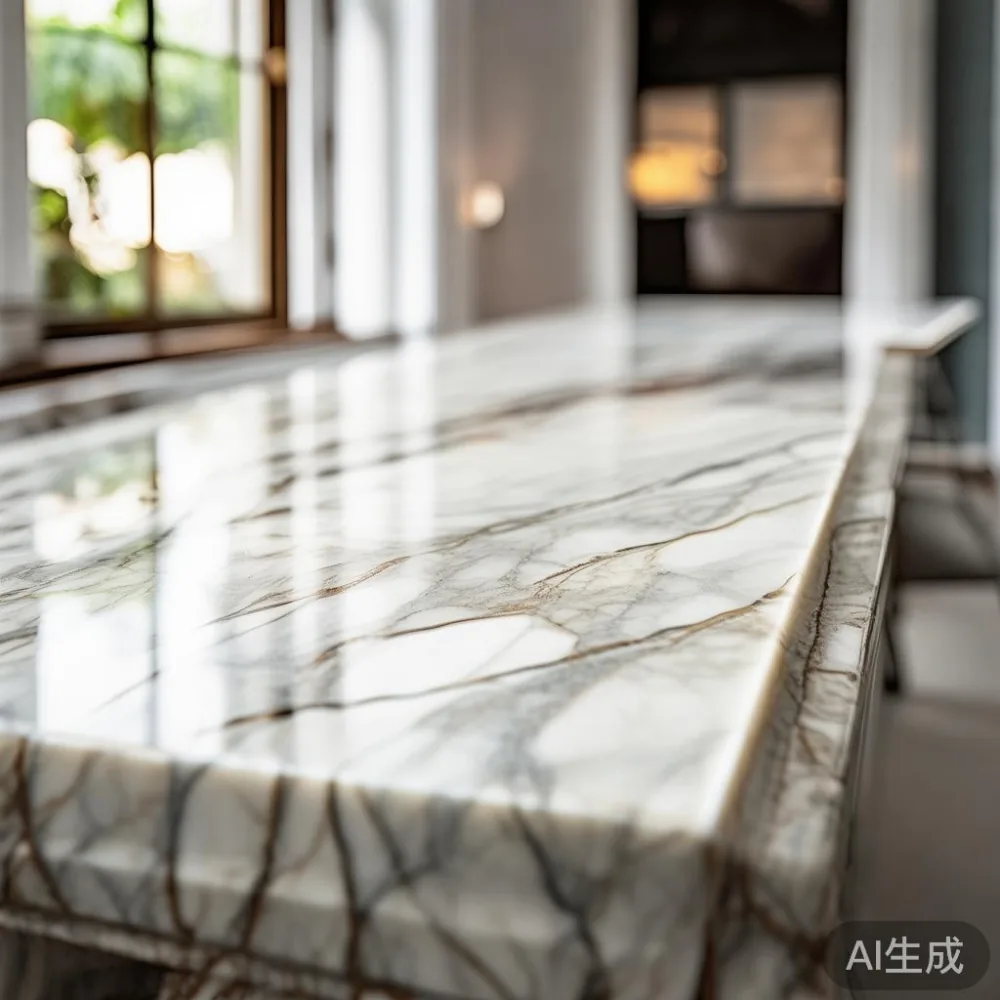
Do not use vinegar, lemon juice, bleach, ammonia, alcohol-based glass cleaner, washing-up liquid at full strength, or abrasive cream. Their residues may dull the lacquer or etch the marble beneath. Common dish soap can be suitable only when heavily diluted and approved for stone; test it on a 5 cm concealed area for 24 hours before treating a larger section. If the product leaves a dull film, rinse with clean water and dry immediately.
What does tropical humidity do to lacquer and solid wood?
Lacquer cure and maintenance are affected by heat and moisture. Repeated condensation cycles may produce haze around the edge of a lacquered marble table, while repeated swelling and drying can weaken the bond between veneer, solid wood, and lacquer. In a HDB flat, the greatest risks are usually air-conditioned rooms that become warm and humid after the unit is switched off, kitchens with steam, and balconies exposed to rain and UV light.
Use a hygrometer to check the local environment rather than relying on a seasonal assumption. Aim for roughly 40–60% relative humidity where possible, and keep the marble surface at least 30 cm from a window or 60 cm from a heat source. If a lift lobby or corridor is poorly ventilated, bring outdoor furniture indoors after use instead of leaving it in saturated air overnight.
Solid wood expands and contracts with humidity. A solid wood sofa, bed frame, dining table, wardrobe, or nightstand should be arranged so that its movement is not constrained against a wall or another rigid object. Leave about 3–5 cm at wall junctions where the design allows, and do not force a swollen door shut. A modern light luxury sofa may have slender lacquered details, so inspect those areas twice a year, especially before and after the monsoon.
My colleague visited a Bedok condo last month to inspect a lacquered marble table used near an open kitchen. The finish had already dulled along one edge because warm grease was left in place for 6 hours. We cleaned it with diluted pH-neutral soap and, after the owner’s approval, lightly refinished the affected area. The experience confirmed an important point: lacquer can be maintained successfully, but delays of several hours make ordinary wiping less effective. Immediate attention preserves more of the original finish than aggressive restoration later.
How do I clean a lacquered marble table without damaging the sheen?
Begin by removing loose dust with a dry microfibre cloth. Next, mix 1 teaspoon of pH-neutral stone cleaner with approximately 500 ml of clean water, unless the manufacturer’s instructions specify another ratio. Apply the solution to the cloth rather than to the table, then wipe in small circles without saturating the edge. A second cloth dampened with clean water removes residue, followed by a dry cloth for an even finish.
Clean no more than one 60 × 60 cm section at a time. This makes it easier to control moisture and prevents cleaner from sitting on the surface. Wipe rings and fingerprints immediately. Do not use paper towels, cotton buds, scouring pads, steel wool, or magic erasers, as they can scratch both the stone and the lacquer.
For a dining table, use trivets and coasters even when the top is lacquered. Place a hot pot on a heatproof mat rated for at least 150°C, and do not pour boiling water directly onto the stone. Wipe cooking oil within 15 minutes. If red wine, coffee, or curry reaches the surface, blot from the outer edge towards the centre instead of spreading the stain. The aim is to remove residue before it penetrates a fine lacquer crack.
A marble table should not be waxed unless the lacquer manufacturer permits it. Paste wax, silicone spray, furniture oil, and “polish” can create an uneven film that traps heat and makes later cleaning harder. Test any product offered for sale with a care specialist before applying it. For about SGD 18–35, a pH-neutral stone cleaner and a set of 3 microfibre cloths are sufficient for normal household maintenance.
What should I do about sunlight, heat, and condensation?
Direct UV exposure can fade coloured pigments and weaken the visual continuity of a lacquer film. In Tampines, Bedok, and Punggol homes, especially those with west-facing windows, move a marble table away from the glass during the strongest hours or add a UV-filtering blind with an opacity rating of at least 60%. Curtains alone may reduce glare but can still allow damaging light through.
Keep lacquered furniture at least 60 cm from a halogen heater, radiator, or electrical heat lamp. Air vents should not blow directly at a lacquered wardrobe or bed frame because dust and moisture can be driven into joints. If a piece stands near an open kitchen, position it away from the wash-up zone and dry the surrounding surfaces after cooking.
Condensation is particularly troublesome on chilled drink surfaces, but a marble tabletop used as an informal serving station may also collect moisture from bowls and cool plates. Use a separate glass or ceramic tray for refrigerated items. Remove the tray after 20–30 minutes rather than leaving condensation under a container overnight.
For clients researching for sale Italian light luxury furniture or refining a whole apartment scheme, lighting and placement deserve the same attention as the purchase. French light luxury, American light luxury, and post-modern light luxury interiors often rely on pale stone, gentle reflective surfaces, and precise spacing. Those styles suit lacquered marble furniture, provided the finish is protected from excessive heat and glare.
How can I prevent scratches, chips, and water marks?
Prevention is more effective than repair. Place felt pads under decorative objects and replace them every 12 months. Use 4–6 mm silicone or neoprene pads beneath movable items, but keep water and cleaning solutions away from the pad adhesive. Do not slide a laptop, ceramic planter, or glass vase across a lacquered nightstand; lift it instead.
For high-use pieces, identify an impact zone before damage occurs. A dining table may need a placemat for every setting, a bed frame needs a protective hook or keeper for its electrical cable, and a wardrobe should have a small dish near the opening for keys and accessories. These habits reduce the need to work on a lacquered surface with abrasive products.
Small marks should not automatically be treated as deep damage. Use a soft white eraser only if the finish is confirmed compatible, test it for 30 seconds, and move gently in one direction. Stop if the surface becomes shiny or feels warm. Hairpin marks, adhesive residue, and chipped lacquer require professional assessment because sanding through the topcoat can expose the stone.
Inspect furniture twice a year and after major weather events. Look for dull patches, whitening at the edge, bubbling, lifting, or a rough boundary around a repair. Record the location and approximate size. A photograph taken under daylight and a close-up under a 300-lux lamp can help the furniture specialist decide whether cleaning, refinishing, or panel replacement is appropriate.
Is lacquered marble furniture suitable for a HDB flat or condo?
Yes, with careful placement and realistic expectations. Before delivery, measure the item at its widest point, then measure the lift car, lift door, turning space, corridor, stairwell, and apartment entry. Allow at least 5 cm of handling clearance where possible. A 180 cm dining table may fit through a standard HDB lift when disassembled, but the legs, apron, and diagonal packaging dimensions still matter.
Record delivery access details such as the block number, floor, parking zone, and lift-booking rules. MIDHILL can arrange delivery across Singapore, with delivery typically taking 7–21 days after production or stock confirmation, depending on the piece and destination. Free shipping applies to qualifying orders over US$350, although the final local invoice is presented in SGD and GST treatment is confirmed at checkout.
Compact proportions do not mean sacrificing presence. A 120–140 cm dining table can suit a dining zone in a newer HDB flat, while a slim 45–60 cm nightstand works beside a bed frame in a Punggol bedroom. A wardrobe with a 55 cm depth can preserve circulation in a narrow bedroom, but sliding doors may be more practical than hinged doors in a tight 90 cm corridor.
For interior inspiration, a search for top 10 Japandi furniture layouts can help with spacing, though buyers should check every actual dimension rather than rely on a showroom image. Similarly, a guide to the best Modern bed for 2026 may describe fashionable forms, but the bed frame must still suit the bedroom door swing and lift access. Looking for the best Rustic sofa for 2026 is useful for style comparison, although a solid wood sofa with a stain-resistant textile can support a warmer apartment more comfortably than a heavily textured finish that traps moisture.
When should a lacquered surface be refinished?
Refinishing is appropriate when a trained specialist confirms that the lacquer is worn through, lifting, or chemically damaged. Surface haze alone may respond to careful cleaning, while deep scratches through the lacquer need a different treatment. Do not assume that all marks can be erased without touching the original coating.
At MIDHILL, lifetime refinishing support gives owners a route for assessing wear over the long term. The service does not mean every accidental mark disappears or that coated stone is replaced automatically; it means the piece can be evaluated for appropriate maintenance and refinishing options. Keep purchase documents, finish samples, and maintenance notes for at least 10 years to support warranty and restoration discussions.
Schedule an inspection after an obvious spill, a hot-object contact, or repeated condensation. A 15 cm split, bubbling along 20 cm of an edge, or a deep impact is a reason to stop using that area and seek advice. Continue using the rest of the solid wood bed frame or wardrobe where practical, but do not load the damaged component with extra weight.
For new buyers, ask how to choose Italian light luxury wardrobe finishes that suit a tropical home. A clear satin lacquer with a repairable substrate is often easier to maintain than a highly textured surface in humid conditions. For those comparing categories, a Modern light luxury sofa may need upholstered arms and legs inspected for mould risk, while a lacquered marble table needs strict coaster and heat discipline. Each product requires its own care method.
What is a practical weekly and seasonal care routine?
Use a three-part household routine. Daily, wipe ring marks and spills as they occur. Weekly, dust the lacquered surface with a clean microfibre cloth and inspect the edges of a marble table, nightstand, or wardrobe. Monthly, check beneath coasters and decorative objects, and confirm that furniture near windows is not fading unevenly.
At the start and end of each quarter, inspect visible lacquer on a solid wood dining table, bed frame, wardrobe, and sofa base for lifting or dullness. During the monsoon, check after 2 or 3 unusually wet days for water tracked into corridors or lift lobbies. Dry any damp floor around the furniture and improve ventilation. Keep humidifiers or dehumidifiers about 1–2 m away from marble furniture so they do not create rapid moisture changes.
Budget roughly SGD 25–60 for a modest care kit: 3 microfibre cloths, 1 neutral stone cleaner, a soft brush for narrow details, coasters, and heatproof trivets. Replace cloths every 3–6 months when they become greasy or lose fibres. Keep chemicals in a labelled cabinet at least 1 m from the furniture, following the 14-day return policy for unused products where applicable.
The central rule is simple: control moisture, control heat, and respond early. Lacquered marble furniture can retain its calm, polished character in a tropical home for many years when treated as a finished surface rather than an indestructible one. That approach complements the durability behind a 10-year structural warranty and gives each piece the best chance to remain part of the home’s daily life.