Veneer vs Solid Wood: A 5-Year Cost Comparison for Singapore Homes
Choosing furniture for a Singapore HDB flat or condo is partly a design decision and partly a calculation of space, delivery, maintenance and replacement costs. A solid wood sofa, bed frame, dining table, wardrobe or nightstand may appear similar to a veneered version in a catalogue, yet the two can behave very differently over 5 years. The comparison becomes more interesting when timber furniture sits beside marble furniture, where heat, humidity, weight and cleaning routines all affect the total outlay.
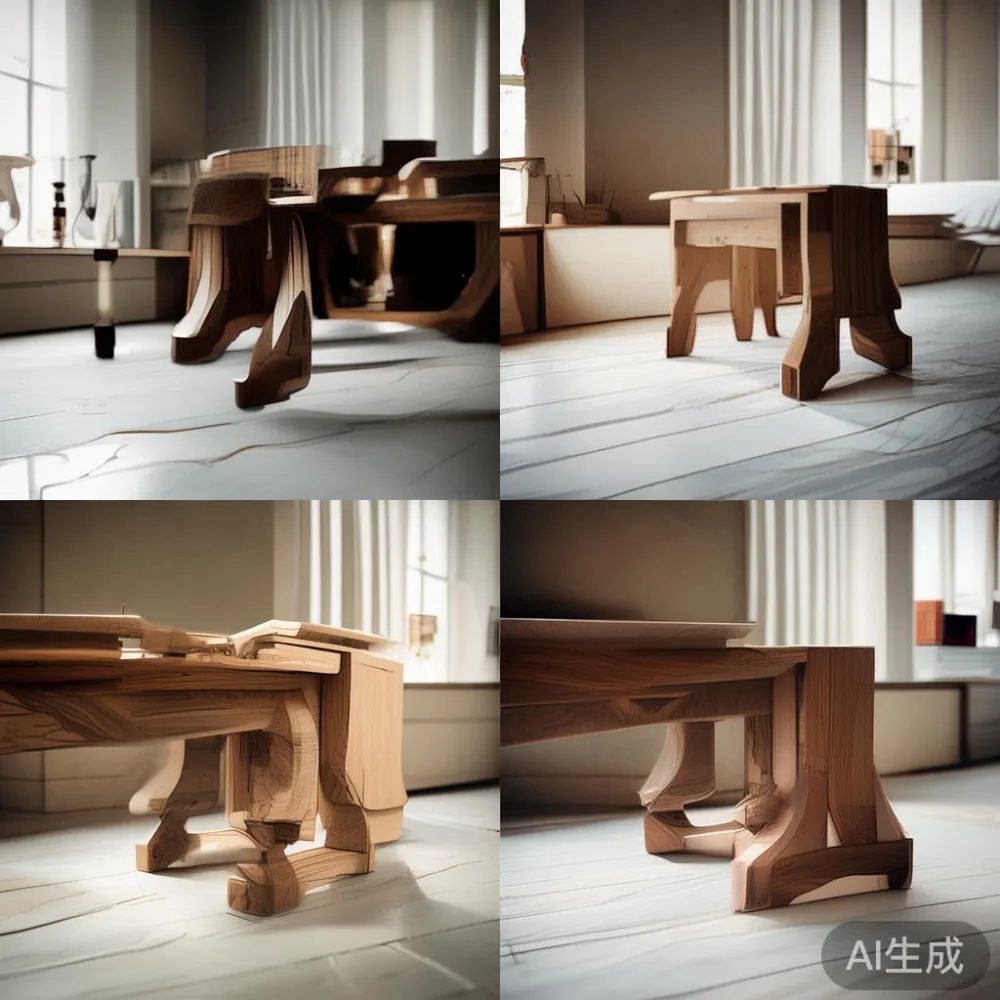
MIDHILL makes solid wood furniture in Foshan and exports to more than 15 countries. Its structural warranty runs for 10 years, while lifetime refinishing is offered on eligible pieces. That long-term support gives solid timber a useful financial argument beyond its appearance. It does not, however, remove the need to think about Singapore GST, lift access, corridor turns and the size of your home.
This comparison uses illustrative Singapore prices in SGD over 5 years. Figures are representative rather than universal quotations. Material grades, dimensions, hardware, finishes, delivery addresses and installation conditions can change the final total. The aim is to show how a realistic ownership budget should be built.
What is the 5-year cost of veneer compared with solid wood?
Veneer uses a thin layer of real timber, often around 0.6 mm to 1.2 mm, bonded to a manufactured board. The visible face may look like oak, walnut or teak, while the core may be particleboard or medium-density fibreboard. Solid wood is cut from solid timber boards or components, with the grain running through the material.
For a Singapore household, the 5-year cost includes more than the purchase price. Add GST at 9%, delivery, lift or carry-in charges, assembly, protective mats, cleaning supplies, maintenance, repairs and the likely need for one refinishing cycle. For tall wardrobes and bed frames, the narrow lift in an older HDB block can affect the quoted delivery cost, while a condo may have a longer corridor or a service lift booking requirement.
A useful starting assumption is that a dining table seats 6 and measures 180 cm by 90 cm. A wardrobe might be 180 cm wide and 210 cm high. A bed frame might be 160 cm wide for a queen mattress. These dimensions are common enough in Tampines, Bedok and Punggol homes to make the delivery comparison meaningful. Check the actual product dimensions rather than relying on the showroom sample.
How much does furniture cost in Singapore?
Consider these illustrative packages for equivalent-looking products:
- A veneered solid wood-look dining table, 180 cm by 90 cm, may cost S$980 before GST. With 9% GST, it is about S$1,068. A genuine solid oak dining table of similar size may cost S$1,980 before GST and S$2,158 after GST.
- A veneered wardrobe, 180 cm wide and 210 cm high, may cost S$1,250 before GST and S$1,363 after GST. A solid wood wardrobe may cost S$2,680 before GST and S$2,921 after GST.
- A veneered queen bed frame may cost S$690 before GST and S$752 after GST. A solid wood queen bed frame may cost S$1,380 before GST and S$1,504 after GST.
- A veneered nightstand may cost S$160 before GST and S$174 after GST. A solid wood nightstand may cost S$320 before GST and S$349 after GST.
- A veneered 200 cm TV console may cost S$520 before GST and S$567 after GST. A solid wood version may cost S$980 before GST and S$1,068 after GST.
The gap is substantial at purchase. Over 5 years, the higher solid wood price can become easier to absorb if the piece remains stable, repairable and suitable for a move or resale. Veneer can still make sense for a secondary room, a short-term rental or a low-traffic apartment, provided the panels are well made and protected from moisture.
For a marble table or marble furniture, the comparison is not purely wood against wood. A marble dining top may add S$650 to S$1,800 before GST, depending on whether it is natural stone, engineered stone or porcelain with a marble appearance. Its weight can affect delivery and installation. A 180 cm by 90 cm stone top may weigh between 75 kg and 145 kg. A timber dining table may weigh 45 kg to 95 kg, so neither should be treated as a lightweight object.
Is a European light luxury bed worth it over 5 years?
That is the question many condo owners ask when comparing an upholstered bed frame with a simpler timber model. The phrase is European light luxury bed worth it is usually about proportions, comfort and finish rather than timber alone. A European-inspired bed with a solid wood structure, supportive slats and a fitted upholstered headboard can cost S$1,780 before GST and S$1,940 after GST. A comparable veneered frame may cost S$980 before GST and S$1,068 after GST.
Over 5 years, divide the cost by 1,825 days. The solid wood example works out to about S$1.06 per day, while the veneer example is about S$0.59 per day. This does not mean the solid wood version creates S$0.47 of daily value. It simply shows how a larger initial price can be spread across several years of use.
For a family bedroom, a solid wood bed frame may absorb knocks better and permit localized repairs. Veneered panels can chip or swell at exposed edges if moisture reaches the core. A reputable manufacturer should seal all edges, use stable joinery and provide replaceable components. Check whether the warranty covers drawer runners, slats, joints and surface finish separately.
French for guest room is a practical way to describe a restrained style: pale timber, simple profiles, useful storage and a slim silhouette. The Rustic for guest room approach can work too, but it calls for more attention to scratches and marks because deliberately textured finishes show wear. A compact solid wood nightstand near the bed may cost more than a veneer version yet prove more serviceable when a guest needs a drawer, lamp and charging space.
What about delivery, lifts and GST in Singapore?
Delivery is where the quoted price can change quickly. A standard delivery within Singapore may be S$45 to S$120 for a small flat-pack item. A wardrobe or assembled bed may cost S$90 to S$220 if the driver must carry it through corridors or complete upper-floor installation. A second-person delivery service may add S$60 to S$180.
Lift dimensions matter. A residential lift with an internal door width of 80 cm and a depth of 130 cm may not accept a 180 cm wardrobe assembled. Even if the package can turn diagonally, the corridor width and door opening can block the route. Measure the lift door, cabin depth and corridor turns before purchase. For a new condo, ask whether the moving-in rules require a loading bay booking or protective floor covering.
Delivery time also affects the calculation. A stocked piece may arrive in 7 to 14 days. A made-to-order solid wood item may take 30 to 60 days, while a marble furniture order with special stone sizing can take 45 to 90 days. If a move is fixed for month-end, build 7 days of buffer into the schedule. A delayed purchase can create temporary storage costs, or even overnight hotel charges in a studio.
GST should appear in every comparison. At 9%, S$1,000 becomes S$1,090. Do not compare a tax-inclusive solid wood price with a tax-exclusive veneer price. For overseas purchases, card conversion fees, import charges and the lack of local after-sales support can erase the apparent saving. Buying from a Singapore supplier also gives access to local delivery coordination and warranty service.
How do maintenance and repairs change the 5-year total?
Let us compare one dining table over 5 years. The solid wood table begins at S$2,158 after GST. Allow S$120 for delivery and assembly, S$180 for 2 refinishing sessions at S$90 each, and S$90 for cleaning and protective care. Total ownership cost is approximately S$2,548, or about S$510 per year.
The veneered table begins at S$1,068 after GST. Add S$120 for delivery, S$100 for edge or surface repairs, and S$90 for cleaning and care. Its total is about S$1,378, or roughly S$276 per year. The solid wood table costs S$1,170 more across 5 years in this example.
That extra amount buys genuine timber, repair options and better long-term resilience, but it is not automatically a saving. If the veneer table is replaced after year 4 for S$1,368 including GST and delivery, the 5-year combined cost becomes S$2,746. It then exceeds the maintained solid wood figure. If the veneer remains in good condition, it is less expensive to own.
Humidity deserves attention, although Singapore is a tropical city rather than a constantly wet bathroom. Kitchen spills, open windows and air-conditioning condensation can affect low-quality panels. Solid wood can move slightly as it responds to seasonal humidity, so the construction matters as much as the label. Look for wide panels, controlled joins, sealed undersides and ventilation gaps in wardrobes. For marble furniture, use a neutral pH cleaner, avoid vinegar and lemon, and wipe standing water promptly.
A 10-year structural warranty is more valuable than a short surface guarantee. A 5-year comparison should note whether the frame, joints and load-bearing parts are covered. Lifetime refinishing, where offered, can reduce future restoration costs. Ask for the process in writing, including who arranges collection, how long refinishing takes and which finishes qualify.
Which option fits a Tampines, Bedok or Punggol home?
In a compact Tampines HDB flat, furniture dimensions can matter more than the material label. A 200 cm TV console may look modest in a showroom but occupy a full wall in a living room. Measure the sofa-to-TV distance, the route from the flat door to the living room and the width of the corridor. A console weighing 35 kg to 65 kg may need two people on stairs. Solid wood does not guarantee easier handling; oversized construction can be heavy.
For a 3-room Bedok flat, a genuine solid wood dining table may fit the dining zone and provide a durable surface for daily meals. A veneer table can work if its edges are sealed and the household avoids damp mopping. In a Punggol condo with an open kitchen and a marble table nearby, keep acidic food and sauces away from unsealed stone, and use coasters and trivets under hot vessels.
Italian light luxury for small living room usually means careful proportion rather than oversized ornament. A 110 cm to 140 cm solid wood sofa with slim arms can leave 70 cm of clear circulation in a narrow living area. The American sofa vs Italian light luxury sofa choice often comes down to depth and comfort: an American profile may sit 95 cm to 105 cm deep, while a lighter Italian-inspired profile may be 88 cm to 96 cm deep. Test it against the coffee table and the usual walking route.
A Modern light luxury TV console should also match the cabinetry. A solid wood console with 2 drawers and 1 open shelf might cost S$1,068 after GST, compared with S$567 for a veneered model. If both are moved to another unit in 5 years, removable drawers, replaceable runners and a durable frame improve the solid wood option's practical value.
For secondary spaces, the calculation may point clearly toward veneer. A nursery, study or occasional guest room may need a lower purchase price and a specific finish. The French for guest room brief can be met with pale veneer, although a solid wood frame is preferable where children may climb, lean or pull on rails.
What did I see when I tested the two approaches?
Last month I visited a family showroom in Foshan with a colleague who handles product finishing. We tested a veneered cabinet edge and a solid oak cabinet edge using a damp cloth, then checked how each surface responded to a controlled scratch. The veneer sample was protected at the edge, but the decorative surface showed the scratch more plainly. The solid wood sample marked as well, yet the mark could be sanded and refinished without exposing a different core material. That test did not prove one option would last longer in every home, but it showed why repairability matters to the 5-year calculation.
My colleague also loaded two packages of similar weight into a mock lift measuring 80 cm wide and 130 cm deep. A flat-packed veneer cabinet passed through with its long edge upright. An assembled solid wood cabinet with a 92 cm side panel could not turn inside the cabin. It needed to be disassembled or carried through a service route. The lesson was practical: the cheaper material did not create the access problem, but a heavier or more rigid construction method could.
At home, I compared the daily care of a veneered nightstand and a solid wood nightstand for 4 weeks. Both looked good under controlled indoor conditions. The veneer needed careful wiping around its lower edge, while the solid wood piece was easier to treat with a small amount of product-specific cleaner. Neither was left beside a sink, and neither was exposed to direct afternoon sun through a west-facing window.
How should you make the purchase decision?
Use a worksheet rather than a showroom impression. Record the item dimensions, product weight, material of the visible face, core material, finish, warranty and delivery quote. Add 9% GST, delivery, installation, expected maintenance and one planned repair or refinishing cycle. Then divide the total by 5 for a simple annual figure.
For a primary dining table, master bed frame or frequently used wardrobe, solid wood is usually easier to justify when the family plans to remain in the home for several years and values repairability. For a low-use room, a carefully made veneer piece may provide the desired appearance at a lower initial cost. The decision should not depend on fashion alone.
MIDHILL's 10-year structural warranty and lifetime refinishing option strengthen the case for checking long-term service rather than only checking the first invoice. Free delivery over US$350 may apply to qualifying international orders, but Singapore buyers should request a local SGD quote because the threshold is not a substitute for local delivery terms. The brand's 14-day returns policy should also be reviewed for condition, assembly and custom-product exceptions.
Across 5 years, a realistic solid wood dining table example totals S$2,548, while a comparable veneer example totals S$1,378 if it remains serviceable. That S$1,170 difference is the price of greater material depth, potential refinishing and lower replacement pressure. If the veneered piece must be replaced in year 4, its 5-year total rises to around S$2,746. Measure the furniture, inspect the edges, ask about the lift, and calculate the care schedule before choosing the piece that will live in your Singapore home.