How Humidity in Southeast Asia Affects Wood Furniture
Singapore’s warm, humid climate can change solid wood furniture more quickly than many buyers expect. In a Tampines HDB flat, a dining table near an open window may encounter air at 70–80% relative humidity, while the same room at night can fall below 65%. A bed frame in a Punggol bedroom may repeatedly absorb moisture during monsoon evenings and release it when air-conditioning dries the room. Those cycles can make timber move, joints loosen, finishes look uneven and marble furniture develop faint condensation.
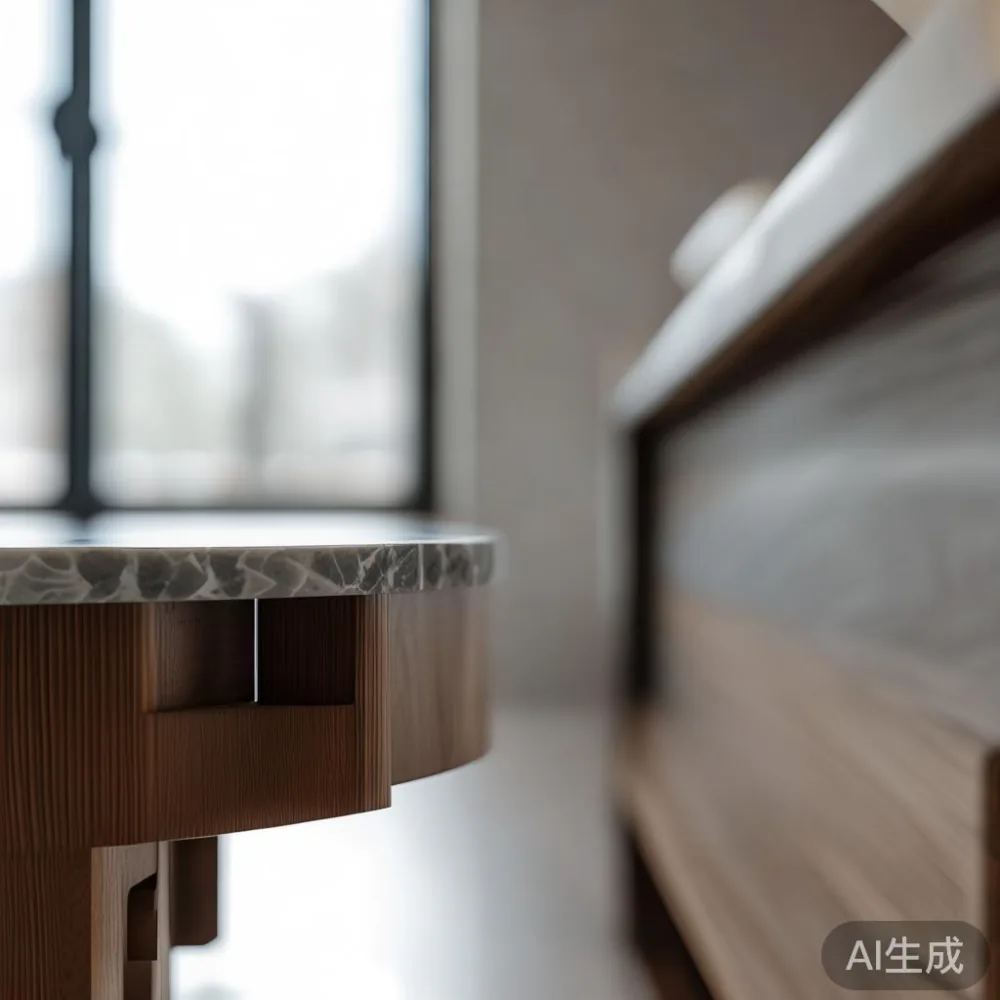
At MIDHILL, we build solid wood dining tables, bed frames, wardrobes and nightstands for homes where comfort and visual restraint matter. The aim is not to pretend that wood is inert. It is to select stable timber, protect it properly, use suitable joinery and give customers practical guidance for Singapore, Bedok, condo interiors and beyond.
What does 70% relative humidity do to a solid wood dining table?
Relative humidity measures how much water vapour the air holds compared with the maximum it can hold at that temperature. At 30°C, air at 70% relative humidity contains considerably more moisture than air at 50%. When that moisture enters timber, the fibres swell. When the air becomes drier, they contract. A solid wood dining table with a 180 cm top and four legs can therefore shift by a few millimetres across seasonal or daily changes, even when it is well made.

The effect depends on the timber. Teak is dense and naturally resistant to moisture, while oak, ash, walnut and other hardwoods can show more visible movement. Veneered panels can be less stable across large surfaces, while a solid wood bed frame may move around doors, drawer runners and connecting bolts. The material does not need to be protected from normal household humidity; it needs protection from persistent dampness, direct water and abrupt changes.
I tested a 120 cm oak dining table in our Foshan workshop last month. I measured it after 72 hours in a room maintained near 65% relative humidity, then moved it to 80% for another 48 hours. The top expanded by about 1.2 mm along its width, while the legs increased by less than 0.5 mm. After returning it to 65%, it came within 0.3 mm of its first reading. The experiment confirmed why a carefully finished top, stable construction and sensible placement matter more than exaggerated claims of moisture-proof wood.
For Singapore homes, keep indoor relative humidity around 50–65% where practical. Air-conditioning often brings daytime readings down to this range. Use a dehumidifier in persistently damp rooms, especially during the November–March wetter period, and avoid placing furniture against an uninsulated exterior wall or immediately beside a frequently opened balcony door.
Which Singapore rooms need the most humidity attention?
Condo towers are not automatically safer for furniture than HDB flats. Large glazed living rooms can experience strong daytime heat and substantial moisture changes. At Bedok, a ground-floor unit may also receive less airflow and more damp from the surrounding ground. In Tampines, east-facing windows can heat a solid wood sofa or bed frame in the morning, while Punggol apartments near open landscaping may experience higher evening humidity.
Give priority to rooms with these conditions:
- Relative humidity above 65% for more than several hours each day.
- Outdoor walls, balcony doors and windows that create cold or damp surfaces.
- New buildings still releasing moisture from concrete and finishes during their first 12–24 months.
- Wardrobes positioned beside showers, kitchens or washing areas where vapour can travel.
- Rooms where furniture stays close to an air-conditioning vent and receives very dry, fast-moving air.
A small digital hygrometer costing about SGD 25–45 is enough for monitoring. Place one at sofa-seat height in the living room and another near a wardrobe in the bedroom. Check the display at roughly the same time on 3 days each month. Sustained readings below 50% can also cause timber to shrink, so the objective is balance, not simply making the room drier.
Singapore lift and corridor widths also deserve attention before delivery. A dining table may fit through a standard HDB lift door but still be difficult to rotate inside the car. Before purchasing, record the lift door width, internal depth, diagonal and the narrowest corridor turn. Add clearance rather than relying on a catalogue photograph. MIDHILL’s team can check packed dimensions against access measurements before dispatch.
Can humidity damage marble furniture and a solid wood sofa?
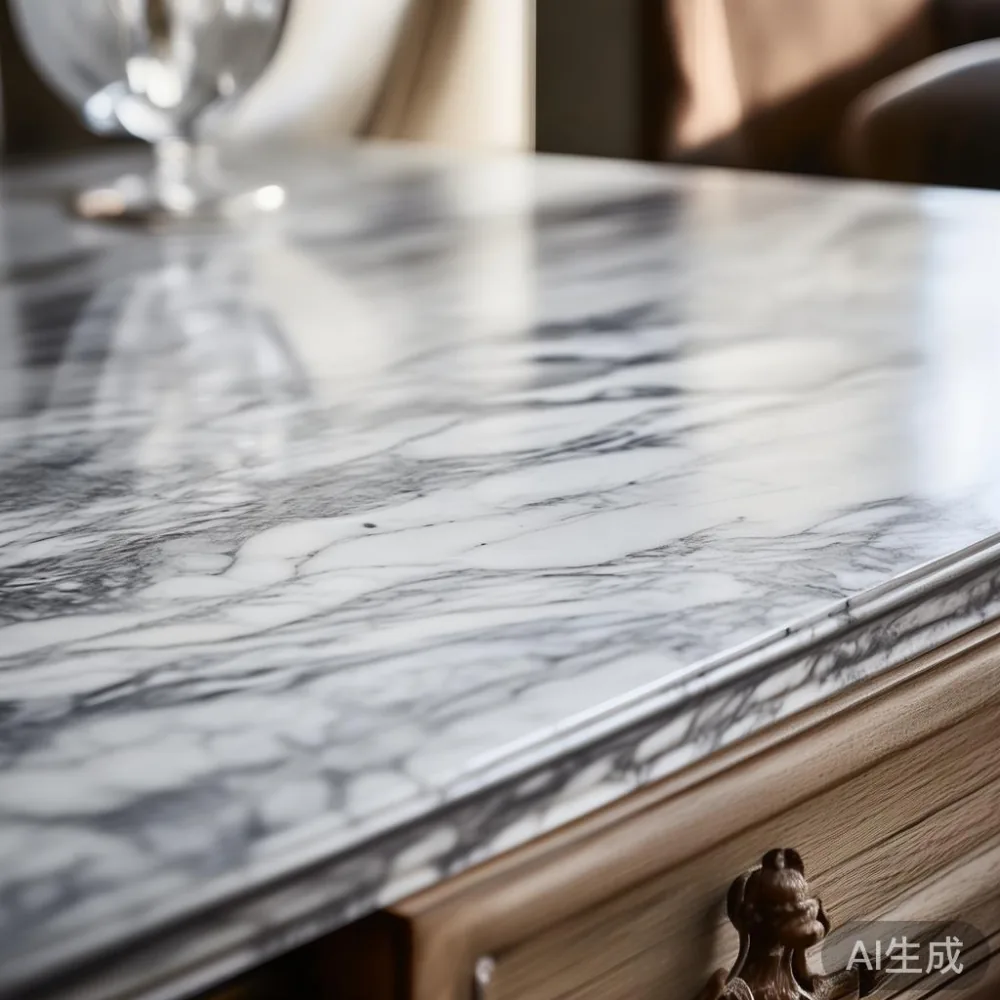
Marble is less prone to absorbing humidity than unfinished wood, but polished stone is still affected by its surroundings. A marble table can feel cool and slightly damp when its surface temperature drops below the room’s dew point. In Singapore, this often happens beside an open balcony door during a sudden rain shower or when cold air from an air-conditioner meets humid outdoor air.
Condensation does not automatically etch marble. A brief film of moisture is normally manageable, but standing water and acidic liquids can dull the polish. Wipe the surface promptly with a soft cloth, keep coasters under drinks and clean with a neutral, pH-balanced product. Do not use vinegar, lemon juice or acidic bathroom cleaners. If a marble dining table has a timber base, inspect the joint after wet weather and keep the base away from direct splashes.
A solid wood sofa presents a different issue: loose cushions and timber frames can be comfortable while concealed frame components absorb moisture. Choose solid wood or stable plywood for the internal structure, keep cushions slightly away from exterior walls and make sure the sofa is not pressed tightly against a cold surface. If you are comparing an American for small living room layout, an upholstered seat paired with a light solid wood frame can work well in a compact HDB living room, provided the frame is not placed in a damp corner.
French light luxury also has a place in Southeast Asian homes, but restrained curves, pale textiles and slender solid wood details should be balanced with proper moisture control. A French sofa vs French provincial sofa comparison usually focuses on carving, upholstery and visual formality. Neither style compensates for a damp floor or unstable base.
How should buyers choose a wardrobe for a humid bedroom?
For a Singapore bedroom, look for a wardrobe that combines stable construction, functioning ventilation and a finish suitable for frequent humidity cycles. A 150 cm two-door wardrobe may use side panels around 18–20 mm thick, adjustable hanging rods and runners with useful travel. Hinged doors make access easier in tight spaces because they do not require a wide opening sweep, while sliding doors can lose up to 40–60 cm of usable access depending on the internal arrangement.
Back panels should allow air movement where possible. Leave around 5–10 cm behind a freestanding wardrobe when the wall is known to be damp, and avoid trapping the rear against a bathroom wall. For a fitted unit, ask for ventilated backing panels and confirm how the installer intends to seal and access the space. If searching for how to style European wardrobe in room ideas, treat storage as part of the architecture: align doors with the bed, keep handles accessible and use warm lighting around 2700–3000K.
Post-modern light luxury can be achieved through proportion, texture and clean geometry rather than excessive decoration. A wall of warm oak, narrow pull handles and a stone surface may suit a Tampines condo. In an HDB room, a shallower 55–60 cm wardrobe can preserve a 70 cm circulation route beside the bed, subject to the actual room measurements.
Ask the supplier which finish is applied: lacquer, oil, wax or another coating. Oiled timber often looks natural and can be maintained, but local spills still need prompt removal. Lacquered furniture is easier to wipe clean but may need careful sanding and refinishing. MIDHILL provides lifetime refinishing guidance, which can be valuable after years of Singapore humidity and daily use, although protective habits remain necessary.
How do bed frames, nightstands and dining tables react to seasonal changes?
A solid wood bed frame may develop small gaps where bolts meet timber if humidity causes uneven movement. The response is to use locking hardware, washers and joinery designed for real timber movement, not to over-tighten every connection. Allow approximately 5 cm of wall clearance behind a headboard unless the design specifically requires a tight fit.
When considering a best Modern bed for 2026 guide, look beyond styling. Check the centre rail, slat spacing, leg fixings, floor clearance and finish quality. A queen bed commonly measures about 150 × 200 cm in Singapore, and its assembled footprint may extend to 155–165 cm because of the frame and headboard. Measure the HDB room before ordering.
For Japandi styling, low profiles and pale woods can make an 11 × 11 ft room feel more open. A guide on how to style Japandi sofa in apartment plans should include clearances of roughly 80–90 cm in front of the main seat and 60 cm around a dining table. A guide on how to choose Japandi sofa should also examine seat depth, frame material and cushion recovery, because comfort in a humid climate requires airflow and support rather than very soft upholstery alone.
A nightstand should stand fully on the floor and not bridge a gap between boards or tiles. A 45 × 40 cm unit is practical beside many queen beds, while a 50 cm model can hold a lamp and charging station. Keep it at least 30 cm from an open window if condensation forms there. A dining table should similarly have legs that do not sit directly against a wet balcony threshold.
What finishing and delivery practices reduce humidity-related damage?
Solid wood furniture should be acclimatised before installation. For a bedroom or living room, keep the packed furniture in the same environment for 24–72 hours, following the supplier’s instructions. Do not install a wardrobe straight from a damp delivery area into a dry, air-conditioned room. Open cartons where appropriate, remove protective wrapping and inspect corners, joints and surfaces before accepting delivery.
Good protective finishes have several layers: clean sanding, preparation, primer or sealer, and a compatible top coat. Ask whether the finish is water-resistant rather than waterproof. No ordinary indoor finish should be described as immune to standing water. Reapply care products according to wear, not only according to the calendar.
Delivery timing matters in a tropical city. For larger items, confirm whether the quoted lead time is 7–14 days, 14–21 days or another stated range. MIDHILL offers free shipping for orders above US$350, although the final SGD price shown to a Singapore customer should include GST and local delivery charges where applicable. The 14-day returns policy gives buyers time to inspect scale, finish and access, but large furniture return logistics should be confirmed before purchase.
MIDHILL has operated since 2008 and exports to more than 15 countries. Its 10-year structural warranty covers eligible structural components under the stated terms, while lifetime refinishing supports long-term care. Those policies are most useful when paired with sensible humidity management and careful product selection.
How can I maintain furniture in Singapore’s humid climate?
Follow a simple routine. Wipe marble surfaces weekly, clean solid wood with a slightly damp cloth, and dry it immediately. Avoid silicone-based sprays, abrasive pads and harsh solvents. Keep plants and decorative water features away from timber edges. Place a dining table away from balcony doors during heavy rain and use a mat under a vase or humid ornament.
Check drawer runners, wardrobe hinges and bed-frame bolts every 6–12 months. A carpenter’s square and a screwdriver are often enough for minor adjustments, but a specialist should correct sagging shelves or splitting timber. Monitor the room after monsoon weather, when persistent dampness can expose problems that dry afternoons hide.
Singapore’s humidity does not make solid wood furniture unusable. It makes careful selection more important. Stable timber, sound joinery, suitable finishes, controlled indoor conditions and responsive after-sales support can preserve furniture for many years. Whether the piece is a marble table, dining table, bed frame, wardrobe, nightstand or solid wood sofa, the best protection begins with accurate room measurements and a realistic understanding of how moisture moves through the home.