Understanding Wood Movement and Care in Singapore’s Climate
Living in a tropical environment presents unique challenges for anyone investing in quality timber pieces. Singapore maintains an average relative humidity level ranging from 60% to 90%, depending on the monsoon season and specific residential zones. For owners of solid wood dining table, bed frame, or wardrobe collections, understanding how this moisture impacts structural integrity is significant. Wood is hygroscopic, meaning it absorbs and releases water vapor from the air. When the ambient moisture rises above 65%, timber expands. Conversely, when air conditioning lowers humidity below 40%, the material contracts. This constant movement can lead to gaps between boards or tightening of joints if not managed correctly.
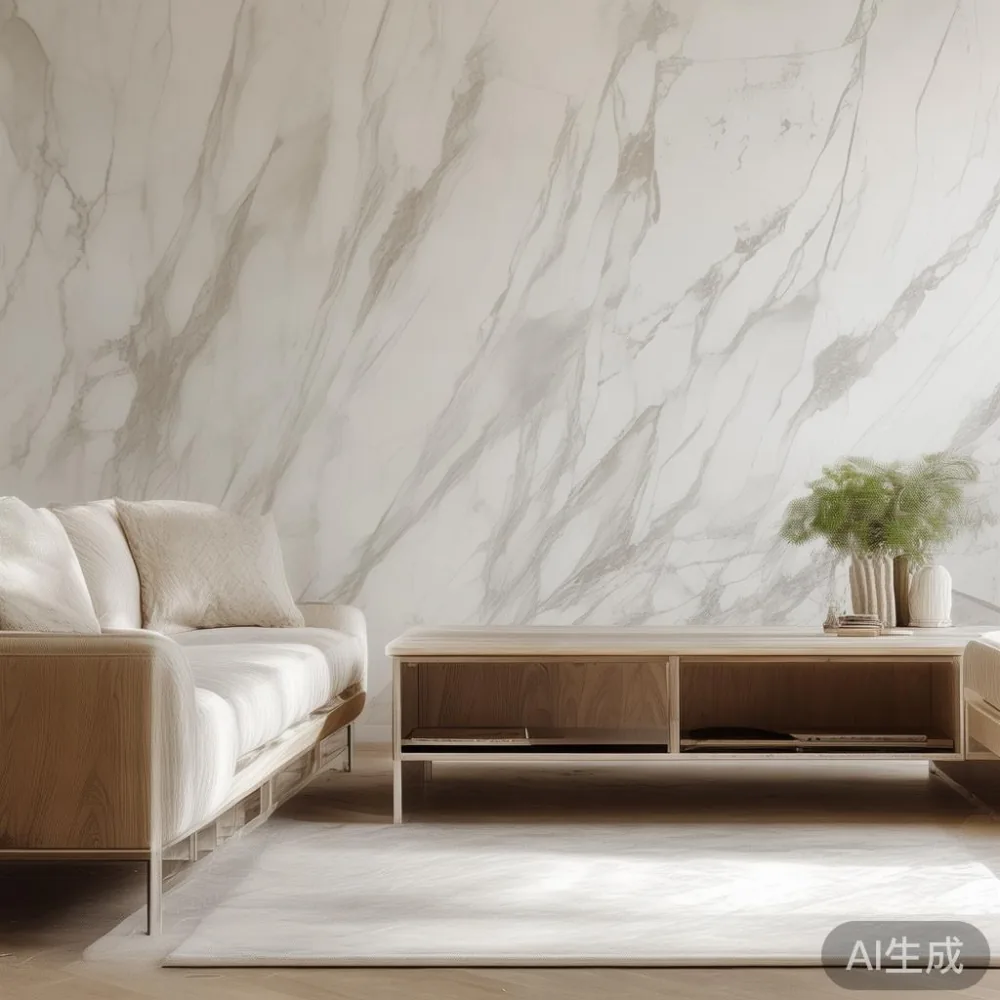
Many residents in Tampines and Bedok flats report noticing seasonal changes in their cabinetry. During the Northeast Monsoon from December to March, the wetter air pushes fiber cells to swell. A hardwood drawer designed with 8mm clearance might become difficult to pull open. Last month I visited a client in Punggol who noticed scratches appearing on her floor near a heavy wooden console. It turned out the legs had expanded slightly due to a week of high humidity following a storm. We adjusted the foot caps to raise the unit 2mm off the ground, which resolved the friction issue immediately. Such minor adjustments prevent long-term damage to both the furniture and the flooring beneath it.
Physical Changes in Solid Wood Components
The molecular structure of oak, walnut, and teak reacts predictably to environmental shifts. A standard 2-meter dining table might change width by 3mm to 5mm across the grain over a six-month period. While 5mm seems negligible, the pressure exerted during expansion can crack veneers or split solid sections if the joinery is too rigid. Post-modern light luxury designs often utilize wider planks, making them more susceptible to cupping compared to narrow tongue-and-groove constructions. Clients should allow for this natural tolerance rather than expecting static perfection. Air-conditioned rooms typically sit at 24 degrees Celsius, creating a drier microclimate than the corridor or balcony.
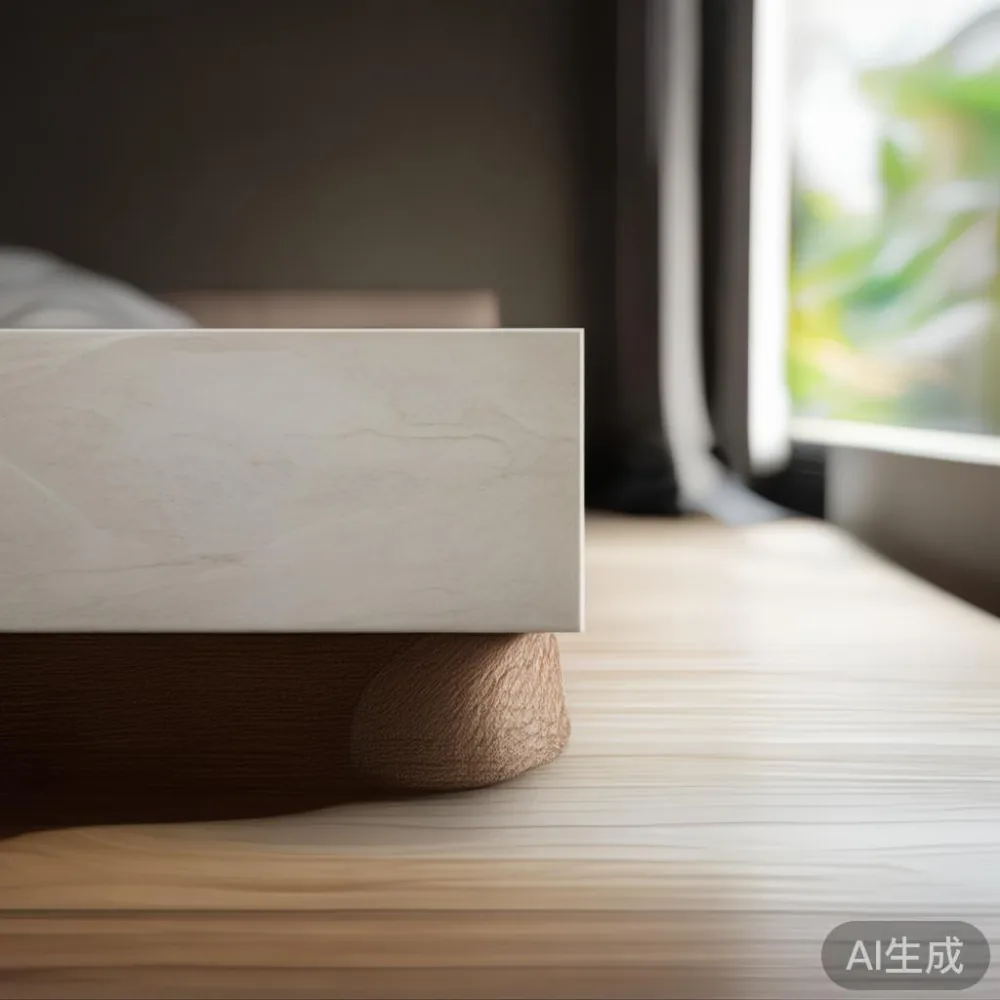
Temperature regulation plays a dual role alongside humidity control. Most residential units maintain a steady indoor temperature, yet fluctuations occur when guests arrive with outdoor clothes carrying heat. Over a single evening, the room temperature might spike by 3 degrees, causing rapid localized drying. This thermal shock affects finishes differently than gradual humidity changes. Acrylic or lacquer coatings tend to hold up better than natural oils in high-humidity zones because they form a harder barrier against moisture ingress. For those selecting a solid wood sofa with exposed frames, asking the manufacturer about finish thickness is recommended. A layer exceeding 0.5mm offers superior protection against condensation forming on cold drink glasses placed on side surfaces.
What is the difference between French accent chair and modern furniture?
French accent chairs prioritize ornate detailing and curved silhouettes while modern furniture emphasizes clean lines and functional simplicity.
This distinction influences how each piece handles moisture. Ornate carvings found in traditional styles trap more air and dust, requiring more frequent cleaning to prevent mold growth in crevices. Modern designs expose less surface area for accumulation, making them easier to wipe down after rain spills on entryways. Both styles can coexist within the same space, particularly when paired with neutral tones that reflect light rather than absorb it. Lighting choices also matter; warm LED bulbs at 3000K create a softer ambiance that masks minor surface imperfections caused by humidity cycles. Residents often pair a French style armchair with a minimalist coffee table to balance visual weight in smaller HDB living rooms.
When considering comfort and durability, the filling materials inside upholstery matter just as much as the frame. High-density foam retains its shape better than low-density alternatives when exposed to dampness. Some manufacturers use synthetic blends that resist water absorption better than natural fibers like cotton or linen. In Singapore’s context, a slipcover made from performance fabric allows homeowners to remove and wash protective layers easily. Maintenance does not require professional intervention for minor stains, saving costs associated with deep cleaning services. A 3-seater European corner sofa often becomes the focal point of communal areas, demanding higher resilience than individual seating units.
Logistics and Access Constraints in Residential Blocks
Purchasing large items involves more than just buying power; it requires logistical planning. Standard HDB flat doors measure approximately 90cm in width, while lift corridors can restrict turning angles for bulky deliveries. A solid wood dining set weighing over 80kg requires careful maneuvering around corners. Many condominiums in Bedok have elevator lobbies measuring 2 meters by 2 meters, allowing for easier rotation. However, older blocks in Punggol may present tighter access points. Delivery teams typically charge additional fees for stairs if lift access fails, estimated at SGD 50 per flight.
Shipping costs vary significantly based on distance and weight thresholds. Orders totaling above US$350 often qualify for free shipping from major manufacturers operating out of Foshan. This threshold translates roughly to SGD 470, depending on current exchange rates. Buyers should calculate the GST implications on top of the invoice value. Import duties in Singapore stand at 9%, applied to the total landed cost including freight. For a high-value item priced at SGD 2000, the GST adds SGD 180 to the final receipt. Transparent pricing models help avoid unexpected expenses upon arrival.
Delivery timelines typically span 14 to 21 working days from the factory gate. Tracking systems provide updates on customs clearance status, though delays can occur during public holidays. Planning furniture moves during non-peak hours avoids congestion in building driveways. Security guards in condos often require appointment bookings for truck access. Some estates restrict vehicle entry before 10 AM. Coordinated scheduling ensures that buyers are present to inspect items before signing delivery notes. Damages occurring during transit must be reported immediately to claim insurance coverage.
Maintenance Protocols and Structural Guarantees
Long-term ownership relies on consistent care routines. Dusting weekly prevents abrasive particles from scratching polished surfaces. Using a slightly damp cloth followed by immediate drying removes residue left by air-conditioner condensation. Avoid placing wet plants directly on wooden tops to prevent ring marks. Polishing sprays containing silicone can build up over time, trapping dirt underneath. Natural wax pastes offer a breathable alternative that nourishes the timber. Reapplication every three months maintains the finish’s luster without compromising the material’s ability to breathe.
Warranty terms define the scope of manufacturer support. MIDHILL provides a 10-year structural warranty covering frame failures and joint separations. This coverage extends beyond cosmetic issues, focusing on load-bearing capabilities. Customers receive lifetime refinishing services for solid wood surfaces, ensuring restoration is possible decades later. Refinishing involves stripping old varnish and applying new coats to match original tones. This service restores the aesthetic appeal without replacing entire units. Return policies allow exchanges within 14 days if the piece does not fit spatial requirements. Free return shipping applies if errors originate from the production side, such as incorrect dimensions.
Documentation should accompany every order for proof of purchase and warranty claims. Keeping receipts in a digital folder ensures easy access if disputes arise years later. Some brands require photos of serial numbers etched onto hidden parts of the base. Verifying these identifiers upon delivery confirms authenticity. Counterfeit products often lack proper certification labels. Genuine items carry hallmarks indicating wood species and origin. Knowing the source of raw materials guarantees ethical sourcing standards and quality consistency. Imported goods undergo strict inspection protocols before entering Singapore ports.
Integrating Marble Surfaces with Timber Structures
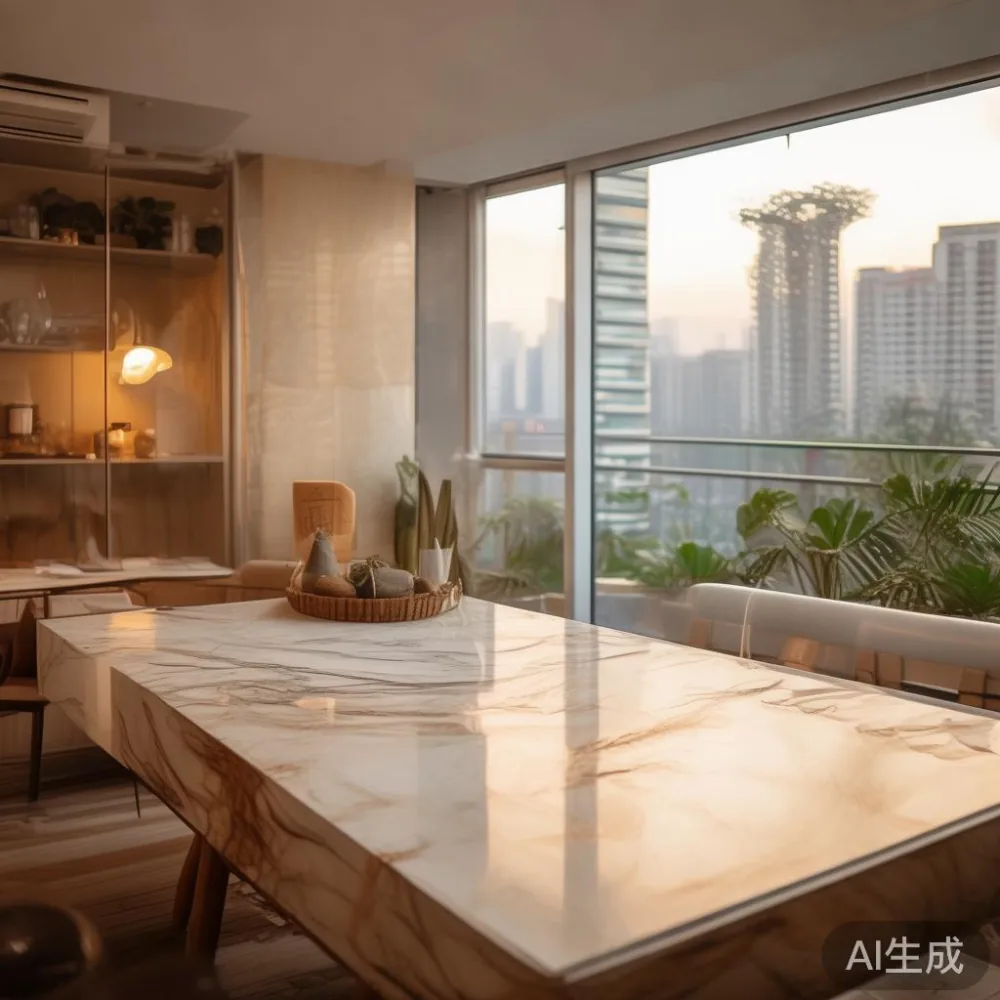
Combining stone and wood creates a balanced aesthetic suited for humid climates. Marble tabletops remain cool to the touch regardless of external temperature swings. Pairing a marble table with a solid wood base reduces the risk of warping compared to all-wood equivalents. The stone does not absorb moisture, providing a stable surface for meals and work. This hybrid approach defines much of the current light-luxury market trend. Marble furniture pieces are engineered to handle thermal shock better than untreated timber. Spilled hot coffee on a stone slab causes no harm, whereas a wooden desk might stain permanently.
Veining patterns in marble offer unique artistic value that complements the grain of wood. Natural stone variations mean no two slabs look identical. Sourcing requires careful selection to match existing decor schemes. Darker woods like mahogany contrast well with white Carrara marble, enhancing depth perception in smaller rooms. Lighter woods like ash blend smoothly with grey-toned stones, expanding perceived space. Glass extensions on dining tables increase capacity without adding excessive weight. Modular designs allow users to adjust configurations based on guest numbers.
Installation considerations differ for stone-heavy loads. A standard marble dining table can weigh 50kg to 70kg depending on slab thickness. Floor reinforcements might be necessary for older HDB units bearing uneven loads. Professional assembly ensures weight distribution across all legs evenly. Silicone pads under feet protect tile floors from scratching. Levelling feet adjust height discrepancies up to 2cm, accommodating uneven foundation settling. Regular inspection of screw tightness prevents wobbling that could destabilize the stone top. Secure mounting brackets add safety layers for households with children. These measures extend product lifespan and maintain safety standards over many years of daily use.
Ultimately, maintaining stability requires respecting the material nature of wood. Ignoring local climate conditions leads to avoidable repairs and replacements. With proper planning, solid wood investments remain functional for generations. The combination of durable manufacturing and thoughtful maintenance ensures satisfaction. Owners in Tampines and other districts benefit from understanding these principles. Choosing reliable partners guarantees support throughout the ownership journey. Quality craftsmanship withstands time when paired with informed usage habits.