Preserving the Luster: A Guide to Caring for Lacquered Marble Furniture in Singapore's Humid Climate
For those living in Singapore's high-rise apartments, from the HDB flats of Tampines to the condos of Punggol, the challenge of maintaining furniture extends beyond style to a battle against the elements. The constant humidity, averaging between 70% and 90%, can wreak havoc on fine furniture, especially pieces with delicate lacquered surfaces. This guide provides a detailed, practical approach to caring for your lacquered marble furniture, ensuring its beauty endures for years to come.
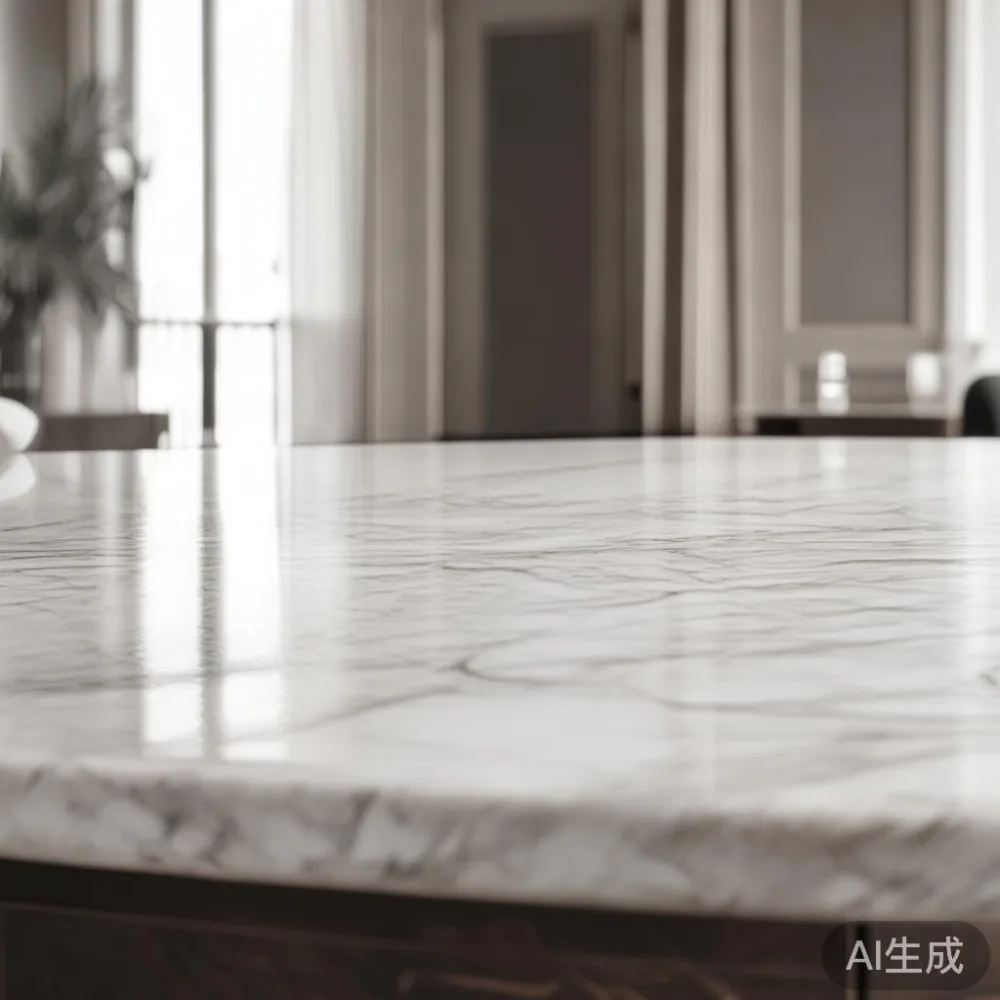
Why Lacquer and Marble Need Special Attention in Singapore?
Lacquer is a beautiful, high-gloss finish that protects the wood beneath it, giving furniture a sharp, reflective appearance. Marble, a natural stone, is prized for its unique veining and cool touch. However, both materials have vulnerabilities in a tropical climate. Lacquer can become sticky, cloudy, or develop white spots (a condition known as 'blooming') when exposed to rapid temperature changes and high humidity. Marble, while durable, is porous and can absorb moisture, leading to stains or a dull surface. Understanding these vulnerabilities is the first step to proper care. The combination of a solid wood sofa with a marble top or a marble dining table requires a specific maintenance routine to protect both the wood's lacquer and the stone's surface from Singapore's unique environmental conditions.
What is the Daily Cleaning Routine for My Lacquered Marble Table?
A consistent daily cleaning routine is the most effective way to prevent damage. For your lacquered marble table, the process should be gentle and methodical. Begin by dusting the surface with a soft, dry microfiber cloth. This removes abrasive particles like sand or dust that could scratch the lacquer. For a more thorough clean, lightly dampen another microfiber cloth with distilled water. Distilled water is preferred as it lacks the minerals found in tap water, which can leave behind a filmy residue on the lacquer. Wipe the surface in a single direction, following the grain of the wood if visible, and then immediately buff the area with a dry, clean microfiber cloth. This two-step process prevents moisture from sitting on the surface. Avoid using any household cleaners, especially those containing ammonia or alcohol, as these will strip the lacquer's protective layer and cause permanent damage. The goal is to clean without over-wetting, protecting both the lacquer and the marble from the high humidity of a Singapore apartment.
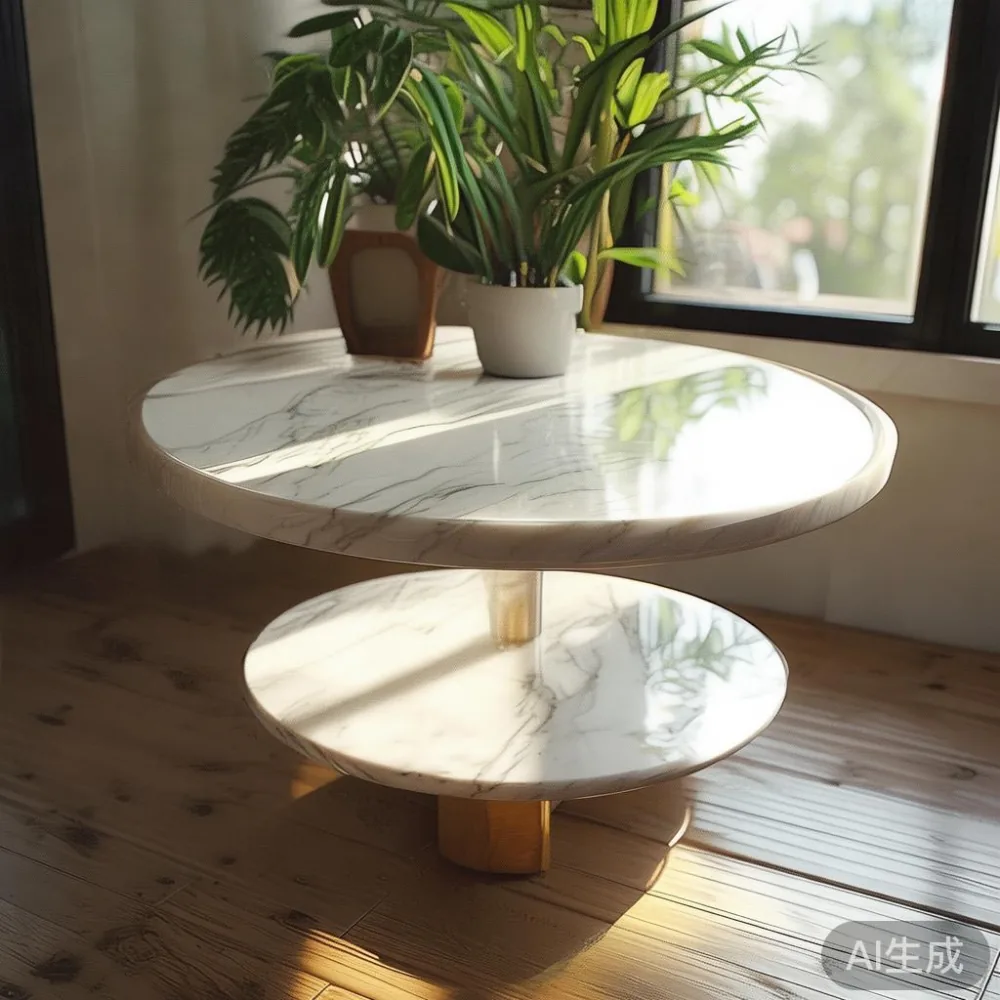
How Do I Deal with Spills and Stains Immediately?
Spills are an inevitable part of life, but how you handle them can save your furniture. For liquid spills on a lacquered marble surface, act immediately. Grab a soft, absorbent cloth and blot the spill. Do not rub, as rubbing can spread the liquid and push it into the porous marble or damage the lacquer's finish. For water-based spills like juice or wine, blotting is often sufficient. For oil-based spills, you may need a specialized stone cleaner designed for marble. Apply a small amount to a cloth and gently blot the area. If you notice a white, cloudy spot on the lacquer, this is blooming, caused by moisture trapped beneath the finish. To fix this, gently rub the spot with a soft cloth containing a tiny drop of mineral oil. Use a circular motion with very light pressure. If the blooming persists, it may require professional re-lacquering. A colleague of mine recently dealt with this after a guest placed a cold drink directly on their lacquered marble table, leaving a persistent white ring. The mineral oil trick worked perfectly, restoring the table's shine without a call to a repair service.
Is it Safe to Use Polish on My Lacquered Nightstand?
This is a common question, and the answer is nuanced. While a furniture polish might seem like a good idea to restore shine, it can be detrimental to a lacquered surface. Most commercial polishes contain silicone or oils that can build up over time, creating a hazy film that dulls the finish and makes future cleaning difficult. The best product for your lacquered nightstand is a dedicated lacquer polish or a high-quality carnauba wax-based cream. These products are designed to nourish the finish without leaving a greasy residue. Apply the polish sparingly to a soft cloth and work it into the surface in a circular motion, using very little pressure. Allow it to dry to a haze, then buff it off thoroughly with a clean, dry microfiber cloth. This should be done no more than once every two to three months, or less frequently if the piece is not in a high-traffic area. Over-polishing can lead to a buildup that attracts dust and dirt, defeating the purpose. For a piece like a solid wood bed frame with a lacquered finish, this careful polishing will maintain its rich, deep color and reflective sheen.
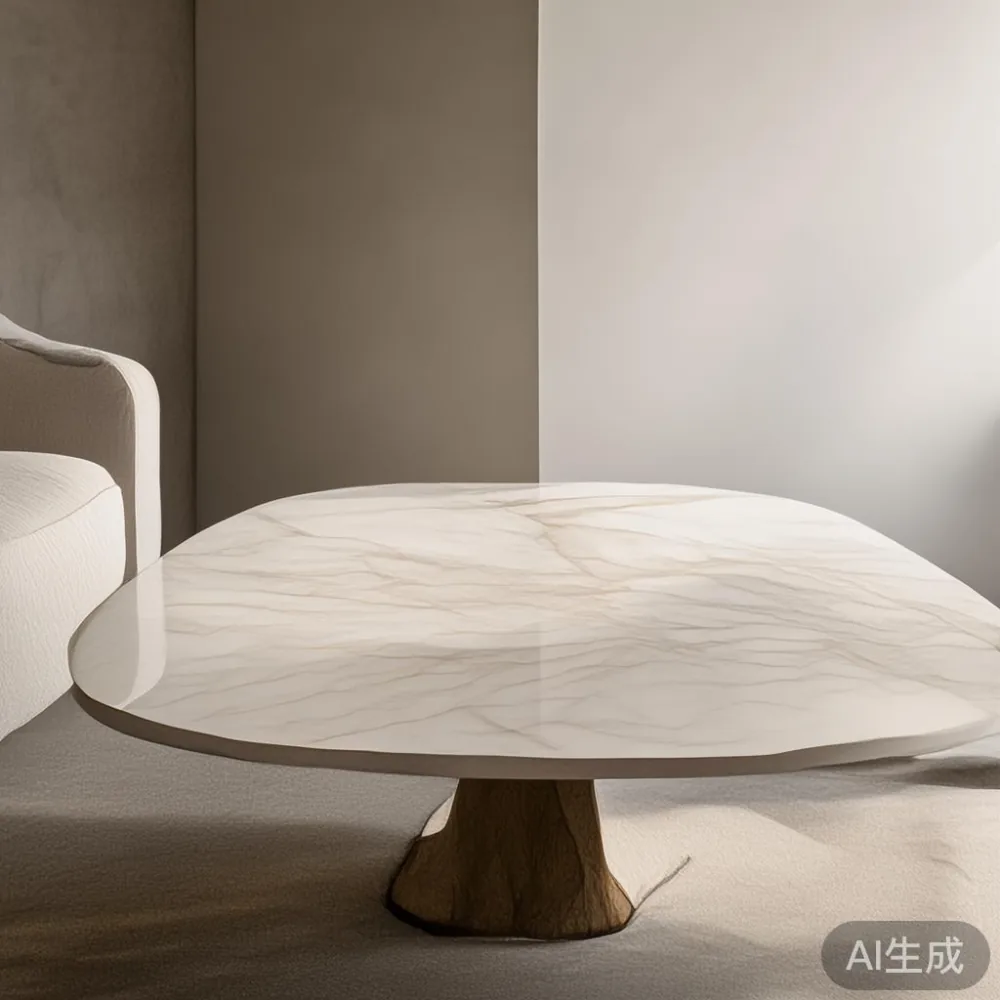
What About Environmental Factors in My Singapore Home?
Managing the environment around your furniture is just as important as the cleaning routine itself. Singapore's climate means your home's indoor humidity levels will fluctuate. Place your marble furniture away from direct sources of heat or cold, such as air-conditioning vents, radiators, or large windows that get direct sun. Rapid temperature changes are a primary cause of lacquer blooming. If you live in an older HDB flat with narrow lift and corridor widths, moving a large marble dining table can be a challenge. Plan the route carefully, ensuring the piece is protected with moving blankets to prevent scratches from walls or door frames. Consider using a dehumidifier in the room where your furniture is located, especially during the monsoon season when humidity peaks. A dehumidifier can maintain a more stable environment, protecting your investment. For those who appreciate the look of a post-modern light luxury aesthetic, the clean lines of a lacquered wardrobe or nightstand are a perfect fit, but they demand this level of environmental control to stay looking their best.
Long-Term Care and Professional Restoration
Even with the best care, a lacquered surface may eventually show signs of wear. Minor scratches can sometimes be buffed out with a specialized scratch remover kit designed for lacquer. For deeper damage or a significant loss of gloss, professional restoration is the only option. A professional furniture refinisher can strip the old lacquer and apply a new, high-quality finish. This is a significant investment but can restore a beloved piece to its original condition. When purchasing new furniture, consider the manufacturer's warranty. A brand like MIDHILL, which offers a 10-year structural warranty and a lifetime refinishing service, provides peace of mind. Knowing that your marble furniture can be professionally refinished decades after purchase adds significant long-term value. This level of commitment to craftsmanship ensures that your furniture is not just a decorative item, but a lasting piece of your home that can withstand the test of time and Singapore's climate. For example, finding a piece of for sale Vintage furniture with a provenance of quality is a rare joy, and proper care ensures it remains a centerpiece for generations.
Choosing the Right Furniture for a Humid Climate
When selecting new furniture for your Singapore home, consider the climate from the outset. While marble furniture is undeniably beautiful, it's important to pair it with the right construction. Look for pieces made from kiln-dried solid wood. Kiln-drying is a process that removes excess moisture from the wood, making it more stable and less likely to warp or crack in high humidity. A well-constructed solid wood sofa or dining table will last longer and maintain its integrity. If you are considering an american sofa set design, ensure the frame is made from durable hardwoods like oak or teak. For storage solutions, a best Industrial wardrobe for 2026 should have a sturdy frame and smooth-gliding drawers that won't swell in the humidity. When comparing options, you might ask yourself: is Japanese sofa worth it compared to an American or European design? The answer lies in the materials and construction. A high-quality European light luxury bed vs Japandi bed might come down to personal style, but both should be built with moisture-resistant materials to be suitable for a Singapore condo. Always check the warranty; a 10-year structural warranty is a good indicator of a manufacturer's confidence in their product's ability to withstand environmental stress. And remember, when you're ready to make a purchase, brands with a direct line like +86 188 2788 2512 can often provide more specific advice on caring for their pieces in the local climate.