Discover the Sofa Buying Secret Without Test-Sitting
Purchasing a new sofa is a significant investment for any home, especially in Singapore’s urban landscape where space is a premium commodity. For residents of HDB flats in Tampines or Punggol, and condos in Bedok, the challenge is often compounded by narrow lift corridors and the need for furniture that is both stylish and functional. But what happens when you find a piece you love online, or in a showroom where the display models are strictly for looking? How do you ensure the sofa you buy is the perfect fit for your body, your space, and your lifestyle without ever taking a seat? This guide provides a comprehensive framework to evaluate a sofa from top to bottom, ensuring confidence in your purchase.

What are the physical dimensions I need to measure before buying a sofa?
The most critical step in buying a sofa you cannot physically test is to become an expert in its dimensions. This goes far beyond the simple width and height listed in a product description. You need to create a detailed map of the space it will inhabit. Start by measuring the exact width, depth, and height of your intended location in centimetres. For a typical Singapore HDB living room, this might mean measuring from a wall to a window, or the clear width of a corridor in a Punggol Build-To-Order (BTO) flat.
Next, consider the sofa's own measurements in detail. The width is the most obvious, but the depth is just as important, as it dictates how far the sofa will protrude into the room, potentially blocking walkways. The height of the back and arms will impact the scale of the piece in the room. Don't forget to measure the height of the sofa's legs, as this can create an illusion of more space and affect how easy it is to clean underneath. For a light luxury aesthetic, a sofa with a lower profile and taller legs might be preferred to create an airy, open feel.

More importantly, you must also measure the path the sofa will take to get to its final destination. This includes the width of your apartment door, the internal dimensions of the lift, and any narrow corridors or turns. In older Bedok condos, for example, a standard lift might be only 110cm wide, which would rule out a sofa wider than 100cm. Always measure with the sofa's packaging in mind, as the box it arrives in can be larger than the assembled piece. A mistake here could mean a very expensive delivery fee or the inability to get the sofa into your home at all.
How can I evaluate the comfort and support of a sofa without sitting on it?
While you can't test the comfort directly, you can gather a wealth of information about the sofa's construction and materials to make an educated guess. The key is to look beyond the fabric and into the sofa's skeleton. Ask the seller for detailed specifications. A high-quality sofa, like those from a maker of solid wood furniture, will often feature a frame made from kiln-dried hardwood. This prevents warping and ensures long-term stability. The type of wood, such as rubberwood or beech, and the thickness of the frame members (look for at least 3cm thick for the main supports) are strong indicators of durability.
The seating system is paramount. Inquire about the number and density of the springs. A good sofa will have a system of no-sag sinuous springs, with 8-10 coils per seat, running from front to back. This provides even support. For a more premium feel, a hand-tied spring system, though more common in European sofa vs French provincial sofa comparisons, offers superior comfort but is less common in modern production. The cushion fill is another area to scrutinize. High-density foam (look for a density rating of 1.8 or higher) wrapped in a layer of dacron or down will offer a soft, supportive feel that holds its shape over time. A sofa with foam blocks of varying densities can also provide excellent lumbar support.
My colleague recently faced this exact dilemma. He was considering a new sofa for his condo and couldn't visit the showroom. He spent an hour on the phone with the sales representative, asking specific questions about the spring gauge (2.8-gauge steel), the foam density (45kg/m³ for the core, 25kg/m³ for the top layer), and the type of webbing used. This detailed investigation gave him the confidence to place his order, and the sofa arrived exactly as he had envisioned, providing excellent support for his 6-foot frame.
What materials and craftsmanship details should I look for in a sofa?
The materials and craftsmanship of a sofa are what separate a long-lasting piece of furniture from a disposable one. When examining a sofa you cannot sit on, your focus should be on the quality of its components. For the frame, as mentioned, solid wood is superior. A plywood frame can be acceptable if it is multi-layered and thick, but avoid particleboard or MDF frames, which are prone to sagging and moisture damage in Singapore's humid climate. Joints should be reinforced with corner blocks and dowels or screws, not just glued staples. The type of wood used for these blocks, often a hardwood like birch, is a sign of quality construction.
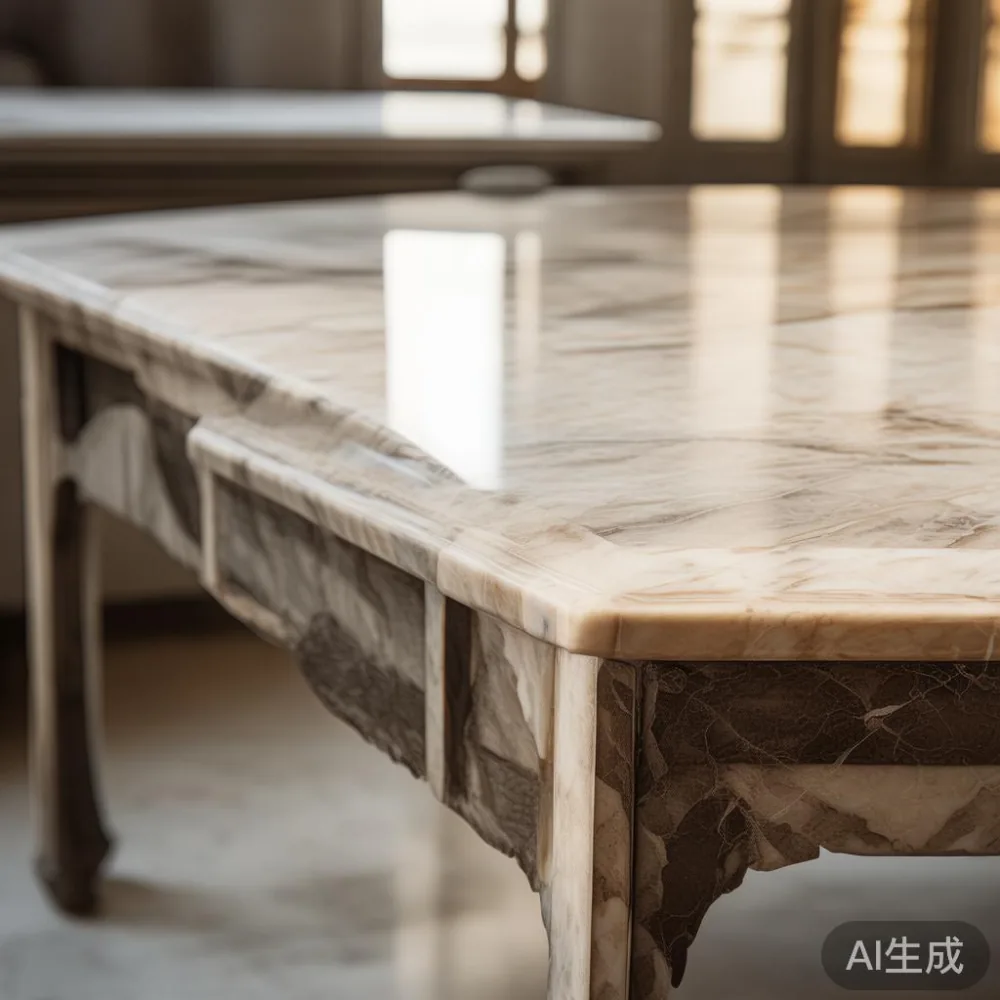
The upholstery fabric choice is both a matter of aesthetics and practicality. Consider the fabric's durability, measured in double rubs (Martindale test). For a family sofa in an HDB flat, a fabric with at least 30,000 double rubs is recommended for good wear resistance. For a more formal light luxury setting, a lower number might be acceptable for a less-used piece. Pay attention to the weave and texture; a tightly woven fabric will generally be more durable. For a touch of elegance, consider a sofa with marble accents on the base or arms, a feature common in high-end marble furniture collections. This adds a sophisticated, textural contrast to the upholstery.
p>The stitching and finishing details are the hallmarks of a well-made sofa. Examine photos closely for even, tight stitching on the seams. Loose or uneven stitching is a red flag. The piping on the edges should be neatly applied and consistent. The fabric should be pulled taut across the frame without visible wrinkles or sags. A reputable manufacturer will often provide detailed photos of these construction details on their website, understanding that informed customers appreciate quality. A 10-year structural warranty, such as the one offered by brands established since 2008, is a strong indicator of confidence in the craftsmanship.Are there specific styles that work better for Singapore homes?
Yes, certain sofa styles are inherently better suited to the spatial constraints and design preferences common in Singaporean homes. The concept of 'light luxury' has gained significant traction, blending comfort with understated elegance. This aesthetic can manifest in several ways. French light luxury often features softer lines, elegant curves, and rich fabrics like velvet or linen, creating a chic and inviting atmosphere. American light luxury tends towards a more relaxed, comfortable profile with plush cushions and a focus on family-friendly proportions. Post-modern light luxury, on the other hand, is characterized by clean lines, geometric shapes, and a mix of materials like wood, metal, and yes, marble.
p>For smaller apartments, a minimalist approach is often the most practical. A streamlined sofa with low arms and a slim profile can make a room feel much larger. This is a key consideration when selecting a Minimalist for guest room, where space is often at a premium. Modular sofas are another excellent option for Singapore homes, as they can be configured to fit awkward spaces and adapted as needs change. The Japandi style, which blends Japanese minimalism with Scandinavian functionality, is also very popular. When considering how to style Japandi sofa in apartment, focus on natural materials, a neutral colour palette, and clean lines to achieve the serene, uncluttered look.p>When integrating a sofa with other furniture, the style should be harmonious. For instance, a light luxury sofa would pair beautifully with a solid wood dining table and marble table for a cohesive look in an open-plan living and dining area. The key is to ensure that the lines, materials, and feel of the pieces complement each other, creating a unified and sophisticated living space.How do I handle delivery, returns, and warranty for an online sofa purchase?
Buying a large piece of furniture online requires careful consideration of the logistics and after-sales support. This is where a company's policies can make or break the purchase experience. Start by investigating the delivery process. What are the delivery fees? Is there a threshold for free shipping? For example, some brands offer free shipping for orders over SGD 1,500, which is a significant saving. How long does delivery take? A standard lead time might be 14 to 21 working days, but this can vary. Ask if the delivery includes assembly inside the home or if it is just to the curb. For a heavy item like a sofa, in-home assembly is a valuable service.
p>Understanding the return policy is non-negotiable. What is the timeframe for returns? A 14-day return period is standard, but it's important to know the exact conditions. Are there any non-refundable fees, such as the cost of delivery? Is the sofa eligible for return if it simply doesn't match your decor, or only if it arrives damaged? The policy should be clear and fair. A reputable company will often offer a 'hassle-free' return process, arranging for collection and refund. This provides a safety net if the sofa, despite all your measurements and research, is not the right fit.p>Finally, the warranty is your long-term protection. A 10-year structural warranty is a strong indicator of a product built to last. This warranty typically covers defects in the frame, springs, and other structural components. It's important to read the fine print to understand what is covered and what is excluded. Some warranties may not cover normal wear and tear on the fabric or cushion filling. A lifetime refinishing warranty is an even more impressive offering, suggesting the company is so confident in its materials and craftsmanship that it will refinish the piece for you if it ever loses its lustre. These policies provide peace of mind, turning a significant purchase into a worry-free long-term investment in your home.What are the common mistakes to avoid when buying a sofa online?
Even with the best intentions, it's easy to make mistakes when buying a sofa without seeing it in person. Being aware of these common pitfalls can save you from disappointment and extra expense. One of the most frequent errors is underestimating the sofa's size in the room. A 220cm sofa might seem manageable on a screen, but when placed in a 300cm living room, it can dominate the space and leave little room for movement. Always use painter's tape on your floor to outline the sofa's footprint. This visual aid is incredibly effective for understanding the scale.
p>Another mistake is neglecting the sofa's colour and texture in the context of your existing lighting and decor. A fabric that looks warm and inviting in a showroom's bright lights might appear dull or have a different undertone in your home's natural light. Request large, high-resolution photos of the fabric, ideally in different lighting conditions if possible. Order a physical swatch if available. This small step can prevent a costly mismatch. Also, consider how the sofa will interact with other pieces. A sleek, modern sofa might clash with a traditional solid wood bed frame or a classic wardrobe. Thinking about the entire room's aesthetic is key.p>Finally, don't be swayed solely by price or brand name. A sofa that is significantly cheaper than others might be using lower-quality materials, such as a softwood frame or low-density foam. Conversely, a high price tag doesn't automatically guarantee quality. Do your research on the specific brand's reputation, materials used, and customer reviews. Look for specifics, not generalities. For example, knowing a brand like MIDHILL uses a specific type of high-density foam or offers a 10-year structural warranty can be more telling than a vague claim of 'luxury'.