Lacquered Marble Furniture Care for Singapore Homes
A lacquered marble table can bring cool, architectural calm to a Singapore home, but tropical humidity, sudden rain, sticky fingers and daily dust can leave the finish looking tired. Care is less about complicated products and more about a repeatable routine suited to HDB flats, private condos and the coastal conditions around Tampines, Bedok and Punggol.
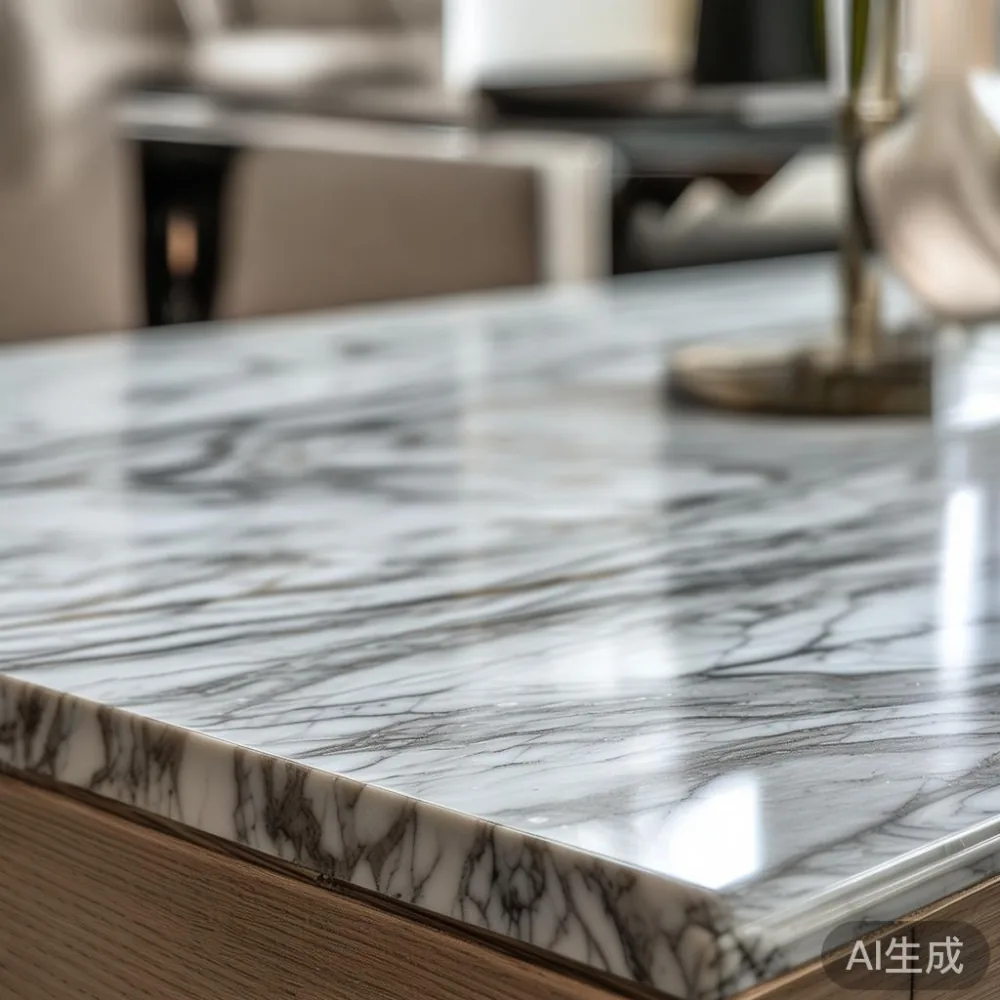
This guide covers lacquered solid wood furniture, including a solid wood sofa, bed frame, dining table, wardrobe and nightstand. It also explains how to protect marble furniture without mistaking a lacquered finish for untreated stone. MIDHILL has supplied solid wood furniture since 2008, exporting to more than 15 countries and backing its construction with a 10-year structural warranty.
What does lacquer mean on a marble table?
Lacquer is a clear or coloured surface coating applied over a prepared material. On a marble table, it may sit over natural stone, while lacquered finishes on solid wood furniture seal the timber with a different layer. Either way, the visible coating is more exposed to heat, moisture, cleaning chemicals and abrasion than an untreated substrate.
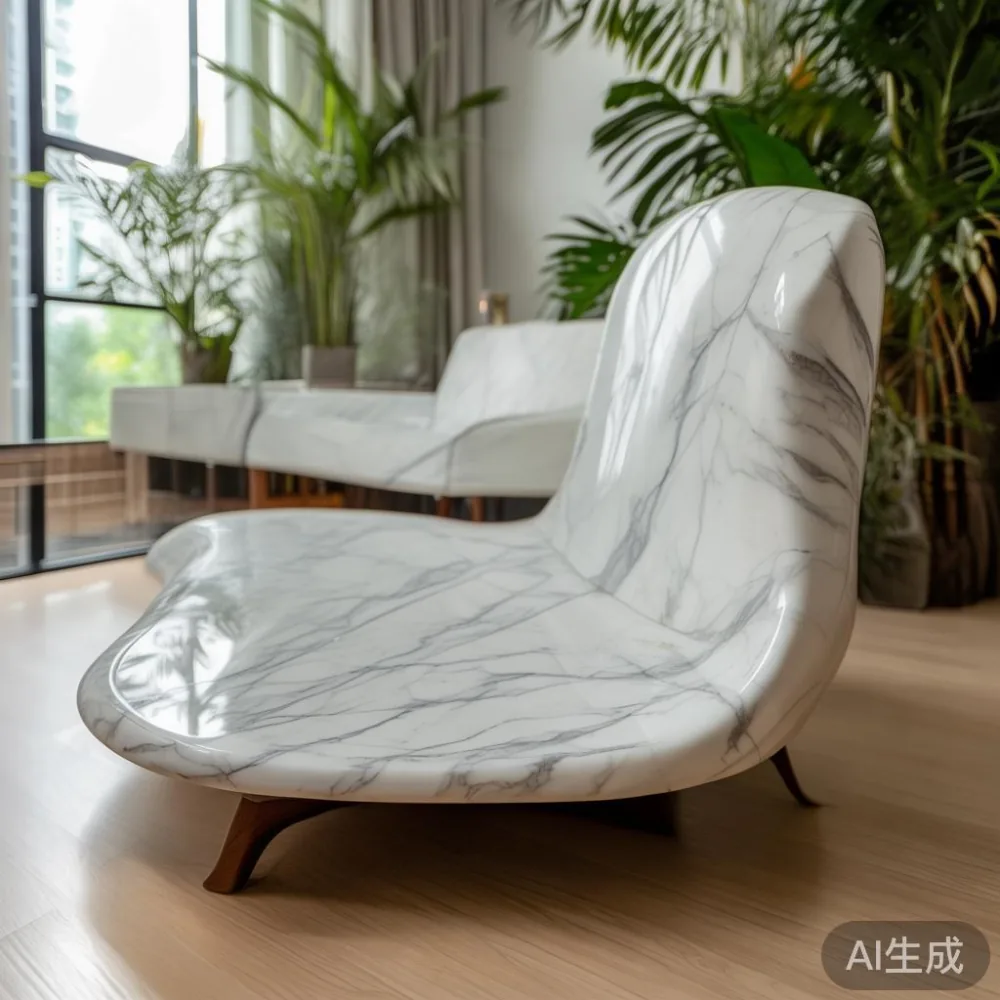
Natural marble is porous, typically absorbing liquid within minutes if unsealed. Lacquer reduces that absorbency, but the coating itself can develop fine scratches, lose gloss or cloud after prolonged contact with water. Limestone, travertine and marble also differ in composition, so a visual resemblance does not guarantee identical behaviour.
Ask the supplier for the exact finish system, care instructions and repair options. MIDHILL provides lifetime refinishing for its lacquered furniture, which is valuable in Singapore where a dining table may be wiped down several times each day. Refinishing is not the same as a routine cleaning session, so it should not be used as a shortcut for neglected surfaces.
How should I care for a lacquered dining table in Singapore?
Start with distance from heat. A dining table should remain at least 30 cm from a gas hob, 60 cm from an induction cooking zone and 45 cm from a countertop oven where manufacturer guidance allows. If a hot serving dish exceeds 60°C, place it on a trivet rather than directly on the lacquer. Keep kettles and air fryers away from the edge, and do not leave sunlight-facing glass doors closed while the table sits near them.
Wipe spills promptly, ideally within 5 minutes. Use a soft microfibre cloth, clean lukewarm water and a small amount of mild pH-neutral dish detergent. Mix roughly 5 ml of detergent with 500 ml of water in a spray bottle, apply the mixture to the cloth rather than the furniture, and dry the surface immediately with a second cloth.
Do not leave a wet ring overnight. A 20 cm coaster is useful for a water glass, and a 35 cm trivet is safer for a hot pot. Avoid vinegar, lemon juice, ammonia, bleach, alcohol-based cleaners, abrasive pads and scouring powder. A lacquer surface can lose gloss within 1 to 3 uses if an aggressive chemical is repeatedly applied.
In HDB dining zones, be especially careful with curry oil, chilli paste and fish sauce. Lift residue with a barely damp cloth first, then follow with the diluted detergent method. Grease on a lacquered dining table may require two passes, but vigorous scrubbing is unnecessary.
Can humidity damage a lacquered surface?
Humidity can affect the finish indirectly. Singapore’s outdoor relative humidity commonly changes through the day, and an unventilated HDB flat can hold refined moisture near windows, bathrooms and air-conditioning units. Expansion and contraction in the underlying solid wood can stress joints and lacquer if a coating has become brittle or badly worn.
Maintain a sensible indoor range of about 50% to 65% relative humidity where possible. Place a hygrometer near the furniture for 7 days before judging the room. Air-conditioning often brings humidity down quickly, while a unit running for 18 hours a day can leave wood noticeably dry at the edges.
Keep lacquered furniture at least 20 cm from an air-conditioning vent and avoid directing cool air onto a bed frame or wardrobe side. Use coasters under plants rather than watering directly into a saucer. Check beneath a nightstand every 2 weeks for damp rings, and inspect wardrobe edges after monsoon periods for swelling or a soft texture.
Marble furniture is stable indoors but still needs environmental control. Stone tolerates humidity better than many timbers, yet lacquer remains vulnerable to condensation. A kitchen beside a service yard or an entry facing the east can receive enough moisture and warmth to make daily wiping particularly important.
How do I remove scratches without ruining the finish?
Begin by identifying the mark. Dust usually lifts with a dry microfibre cloth. A fingerprint may disappear with warm water and a clean cloth. Fine scratches need a different approach from a chip, and a deep gouge may expose the base material rather than merely mark the top coat.
For light marks, use a clean, soft cloth with a small amount of mild detergent diluted as described earlier. Dry with a separate cloth and compare the sheen under daylight. For slightly deeper scratches on lacquered wood, consult the product maker before using a polishing compound; colour and gloss level must match, and stone-safe products are not automatically suitable for wood lacquer.
Do not use a kitchen knife, nail file or eraser on the surface. Each can leave a matte patch or a network of scratches. On a busy solid wood dining table, place felt pads under decorative objects and use a 40 cm placemat beneath a laptop, hot cup or camera bag.
I tested a lacquered sample panel last month in a Singapore showroom using a cotton cloth, a microfibre cloth and a diluted detergent. After 30 wipe cycles, the cotton cloth left faint streaks, while the microfibre cloth and immediate drying produced an even finish with no visible change. The result reinforced a simple rule: clean tools matter more than forceful pressure.
What is the right way to clean a solid wood sofa or bed frame?
For upholstered solid wood sofa frames, remove cushions where permitted and vacuum loose dust every week with a brush head of about 10 cm. Keep moisture out of joints and upholstery seams. Vacuum at low suction for 5 minutes per section so the brush does not lift fabric or snag a thread.
A lacquered wooden sofa arm or bed frame rail should be wiped separately, following the finish’s instructions. If there is no removable fabric, test the cleaner on a concealed 5 cm area and wait 24 hours. Do not saturate timber with a sprayed solution.
For a bed frame, check the headboard and lower rails every 3 months. Wipe away skin oils with a barely damp cloth and dry immediately. Avoid placing damp bedding against the panel overnight, particularly in a bedroom without cross-ventilation. A nightstand should be cleared of damp hand towels and coasters every week.
These are also the kinds of practical details that shape searches such as how to style Japanese sofa in room and light luxury for bedroom. Low profiles and restrained materials can make a compact HDB bedroom feel more open, but the surface still needs disciplined care. A Japanese-style seating arrangement can include a solid wood sofa, although loose cushions should not be treated as part of the lacquered structure.
Is lacquer safe around children and pets?
The coating is generally suitable for normal household use, but children and animals can create concentrated forms of abrasion. Fit 2 mm felt pads to the feet of a nightstand, 3 mm pads to movable dining chairs and silicone rings to small decorative objects. Secure a tall wardrobe to the wall with the fixings specified by the manufacturer.
Keep nail polish, crayons, coloured pens and sunscreen away from lacquered surfaces. Sunscreen may leave an oily film that attracts dust, while permanent marker needs prompt attention. Wipe a fresh mark with a damp cloth rather than rubbing it. For food oils, absorb with a clean paper towel before applying the mild detergent method.
Pets should not be allowed to paw at a glossy panel. One scratch from a claw can be more noticeable than years of careful use. Provide a 60 cm sleeping zone beside a lacquered bed frame if necessary, and use a washable throw over a solid wood sofa arm.
How often should a lacquered surface be maintained?
A light weekly wipe is usually more useful than an occasional deep clean. Use a dry microfibre cloth for 1 minute each week, then a damp cloth every 2 to 4 weeks depending on dust, cooking and hand contact. After meals, clear crumbs and wipe spills immediately. Inspect under coasters and near hot appliances every 3 months.
Create seasonal checkpoints rather than an elaborate schedule. During the first week of each quarter, inspect 5 high-touch areas: a dining table edge, wardrobe door, nightstand top, bed frame rail and sofa arm. Look for dull patches, stickiness, swelling or a change in colour. Record the location and photograph any defect for the supplier.
Small paint or adhesive marks should be dealt with within 24 hours. Do not wait until the next full cleaning because solvent-based adhesives can become harder and more difficult to lift. For a marble table, blot rather than scrub, especially around textured stone.
Delivery arrangements matter too. A lifted or scuffed item should be documented before the van leaves. Note the condition across the top, corners and base, and photograph the packaging. Confirm the access route before delivery: a standard HDB lift may accept a packaged dining table only if its longest dimension remains below the lift door and internal depth limits.
Will moving furniture damage lacquer during delivery?
Protection depends on wrapping, handling and the route through the building. A marble table should travel vertically on a padded A-frame when the maker recommends it, with corner guards covering every edge. Blankets alone can trap grit and cause rub marks. For an HDB corridor, measure turns and door widths before dispatch, ideally allowing at least 10 cm of clearance around the packaged piece.
For a solid wood sofa, bed frame or wardrobe, separate or protect moving parts according to the maker’s instructions. Lift by the frame rather than dragging it across a threshold. A 3-person team is common for a large dining table, but excessive carrying can twist a long component; follow the specified handling points.
Compare a French sofa vs Modern sofa not only by silhouette but by maintenance expectations. French light luxury often uses pale finishes, delicate profiles and visually calm surfaces that show fingerprints readily. American light luxury tends toward generous upholstery and substantial furniture, while post-modern light luxury combines clean lines with contrasting materials. Every approach benefits from the same careful removal method.
Shoppers researching under 2000 Boho furniture can focus on rattan, timber and layered textiles. Natural textures may look informal, but they still need a clear surface-care plan. Likewise, a search for the best Modern light luxury bed for 2026 should include the finish type, humidity response and refinishing support, not just the profile shown in a catalogue image.
What should happen if the lacquer peels or bubbles?
Stop using aggressive cleaners near the affected area. Peeling, bubbling or lifting can signal moisture beneath the coating, incompatible chemicals or an adhesion problem. Photograph the area from 3 angles, measure the affected patch, and record when it first appeared. Do not cover it with tape or press the bubble flat.
Check whether the defect sits on a lacquered solid wood item or a marble furniture top, because the repair process may differ. A supplier with lifetime refinishing can assess whether the finish can be restored. MIDHILL’s 10-year structural warranty covers structural issues, while surface-care questions should still be raised directly with the maker so the appropriate service process can be confirmed.
Before accepting a replacement item, compare the colour under natural light and warm LED lighting. Place it for 48 hours before making a final judgement, because a finish can look different beside painted walls. Confirm that 1% GST is included in the quoted price in Singapore and keep the invoice for future service.
How can I buy marble furniture with fewer maintenance surprises?
Ask for 4 pieces of information before ordering: the substrate, lacquer type, cleaning restrictions and repair coverage. For example, one dining table may use solid wood, MDF or marble beneath its finish, each with different thermal and moisture behaviour. A natural marble table should also be checked for veining, filled fissures and a stable, flat top.
Inspect a display piece under 3 types of light: north-facing daylight, warm 2700K lighting and cool 4000K lighting. Check gloss consistency across a 90 cm section and look at the grain or stone pattern around edges. A hand-finished surface may show small variations, but unexplained patches should be discussed.
For local delivery, confirm the charge and lead time in SGD. MIDHILL offers free shipping on orders over US$350, with the final Singapore delivery quotation, GST and access conditions confirmed before dispatch. Most made-to-order pieces need roughly 30 to 60 days, although production schedules can vary by design and finish.
Returns remain available within 14 days under the stated policy. For a large item, verify what must be returned and how collection is arranged. A solid wood bed frame, dining table or wardrobe is a significant commitment, so room measurements and lift access deserve the same attention as colour samples.
Singapore’s climate does not require you to fear lacquered furniture. It does reward consistency: wipe spills within 5 minutes, use coasters and trivets, keep hot pans away from the surface, control humidity where practical and inspect the finish every 3 months. These habits preserve the clean geometry that makes solid wood and marble furniture feel quietly refined, whether the piece is an American light luxury sofa or a compact French-style nightstand.