Matching Solid Wood Pieces to a Warm Minimal Interior in a Singapore Flat
If you live in a 90 sqm HDB flat in Punggol or a 1,200 sqft condo in Bedok, you already know the paradox of small-space design in Singapore: every piece of furniture has to earn its place. Walls are load-bearing, corridors in older blocks run 1.05 m wide, and the lift opening in a typical HDB measures roughly 1.1 m across, so any sofa longer than 2.4 m usually has to be hoisted through a service hatch or taken apart. Meanwhile, the 9% GST bite and an average renovation budget of S$45,000-S$80,000 make every purchase feel heavy. The interior that answers all of this is warm minimalism: clean lines, restrained colour, a tactile material you can actually touch, and a marble accent that holds its own next to natural timber. I spent the last few weeks visiting showrooms in Jalan Besar, Tai Seng, and a couple of atelier-style studios along Eunos, and I want to share what actually works when you match solid wood pieces to a warm minimal interior without overspending or over-cluttering.
What "warm minimal" really means for tropical living
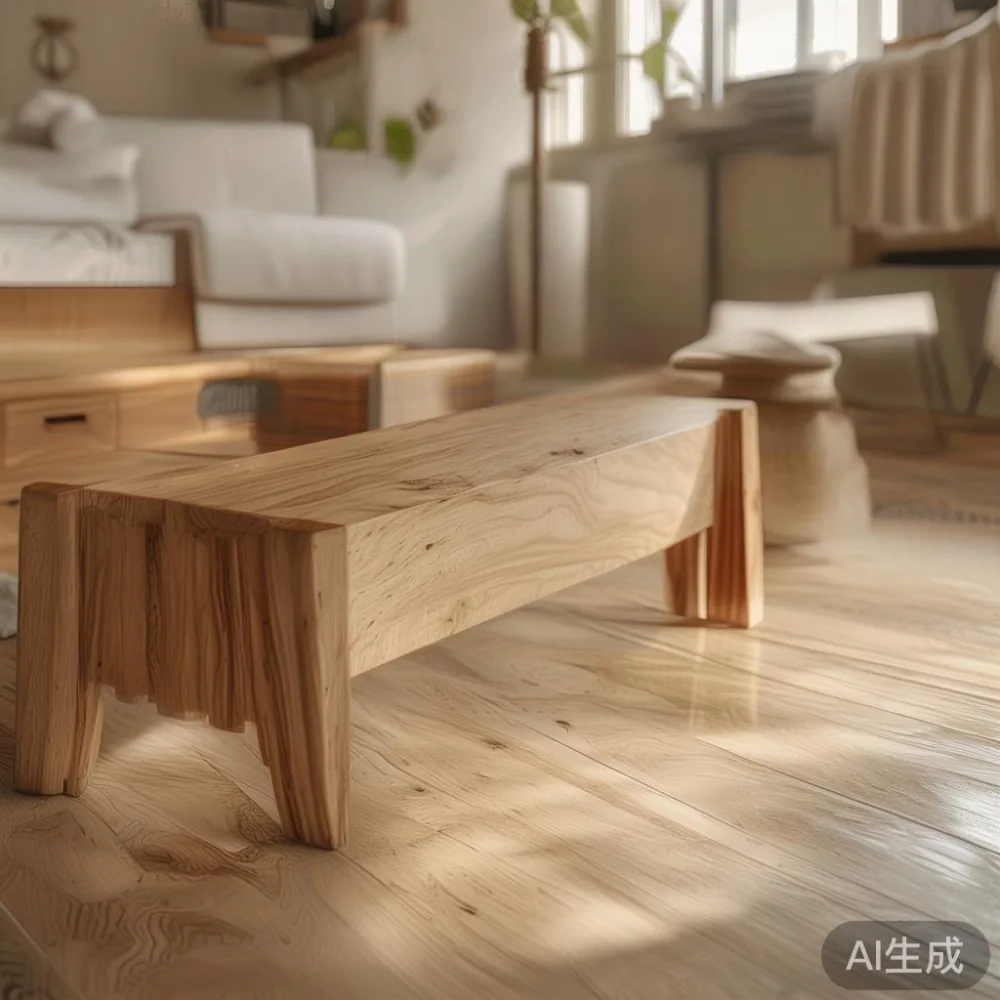
Warm minimalism is not a style, it is a temperature. It borrows the restraint of Scandinavian interiors, the stone-heavy calm of post-modern light luxury, and the soft layering of French light luxury, then grounds everything in materials that age honestly in 32°C heat and 85% humidity. The colour foundation runs cream (Pantone 11-0907 Whisper White), putty, tobacco, walnut at medium depth, and one chalky accent such as terracotta or sage. The materials foundation is honest: solid oak or ash for structure, solid teak for pieces that take daily water contact, and a piece of marble furniture in a small, intentional dose.
Last month I visited a 3-room 689 sqft BTO in Sengkang with a homeowner named Mrs. Tay. Her living-dining zone measured 3.6 m by 4.2 m, and she had crammed a 2.6 m L-shape sofa, a 1.8 m dining table, a TV console 1.6 m long, and three plants into it. The room felt crowded because everything fought for attention. When we replaced the L-shape with a 2.1 m three-seater solid wood sofa on slender 6 cm ash legs, swapped the glass dining table for a 1.4 m oak dining table with a chamfered edge, and added a 60 cm round marble table as a coffee table, the same square metres felt 20% larger. That is the warm minimal play: let the eye land on one tactile surface, then give it room to breathe.
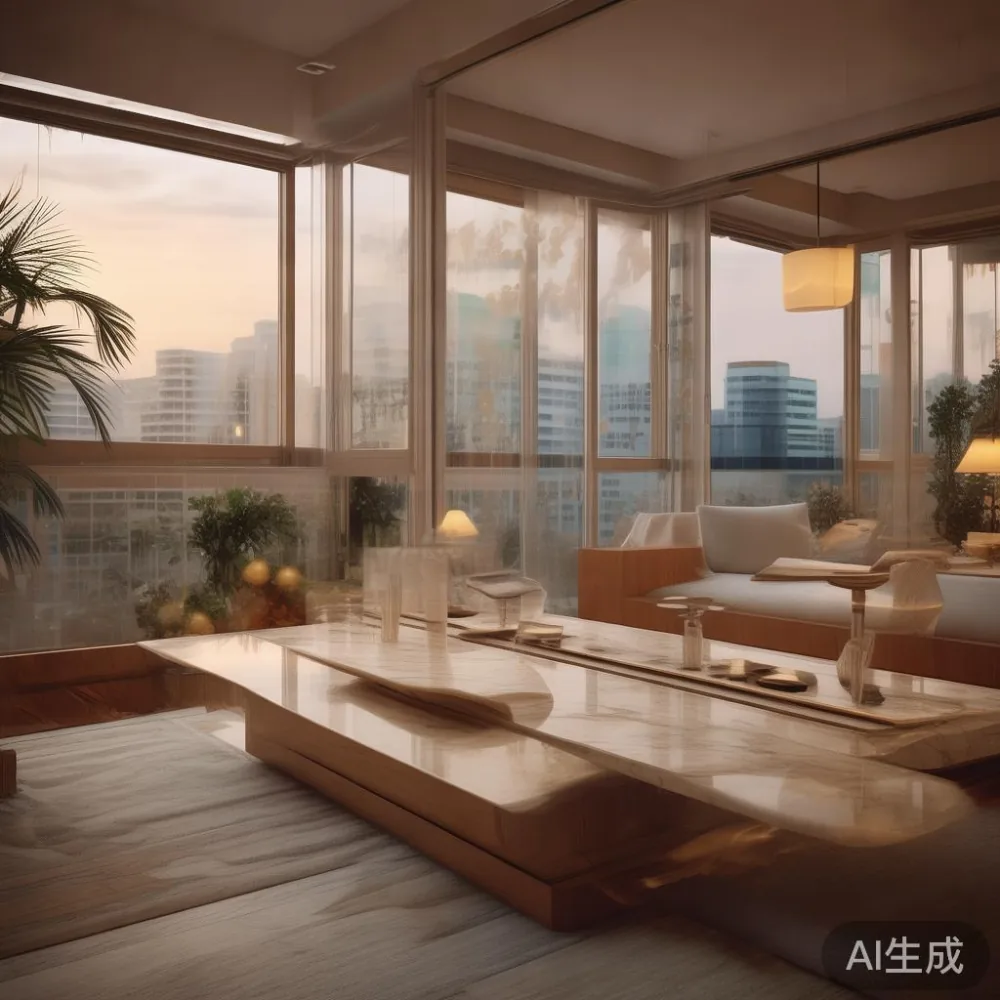
How do I match a solid wood sofa and bed frame to a warm minimal scheme?
Start with proportion and the geometry of the room. In a standard HDB living room of 3 m by 4 m, a sofa between 1.9 m and 2.2 m long keeps at least 80 cm of walkway behind the coffee table. Anything deeper than 95 cm swallows the room. For a solid wood sofa, look for kiln-dried ash or white oak frames with mortise-and-tenon joinery, not dowel or staple construction. Cushion fill should be high-resilience foam wrapped in down for at least 30% of the fill, so the seat recovers between sittings. In our showroom sample, a 2.1 m three-seater in cream boucle on an ash frame weighs about 62 kg, well below the 100 kg single-piece limit most HDB cargo handlers prefer.
For the bed frame, a queen at 1.5 m by 2 m is the sweet spot for a master bedroom in a 4-room HDB. Skip upholstered headboards that trap humidity, and pick a solid wood bed frame with slats no more than 6 cm apart, or add a 4 cm latex topper so the slat spacing does not telegraph through the mattress over six years. A mid-century-inspired bed with tapered legs 18 cm tall lets air circulate underneath, which matters in Singapore where the floor can stay damp 60% of the year. Budget around S$1,800-S$3,200 for the frame alone, before the mattress.
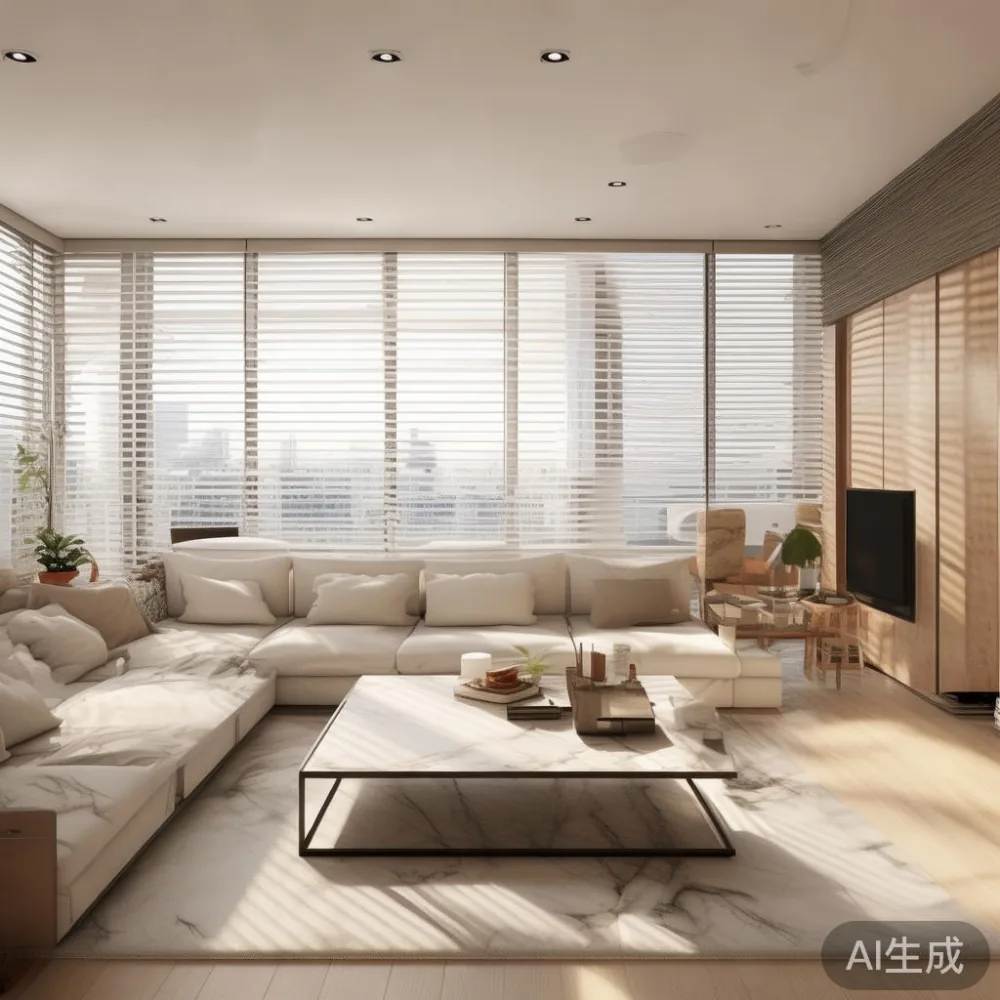
When you look for the best Coastal sofa for 2026 for your HDB, weigh the fabric weight, not just the colour. A boucle at 480 gsm wears better than linen at 240 gsm in our humidity. Coastal palettes pair unusually well with warm minimal because they share the cream-sand shell, but a Coastal sofa often goes softer and slipcovered, while a warm minimal sofa goes tailored and architectural.
The dining table is the visual anchor of the flat
If you host Sunday meals the way most Punggol young families do, the dining table is the most-used piece you own. A 1.4 m solid oak dining table seats four comfortably and six with some elbow negotiation. A 1.6 m version seats six routinely and is still lift-friendly through most HDB service hatches at 1.1 m wide when the legs are removed, which is the design I now recommend to anyone measuring a corridor that older.
For a Minimalist for dining room setup, resist the urge to buy a thick marble slab table in a small flat. A 3 cm Carrara or engineered marble top on oak legs reads minimal and stays under 90 kg total, which is the practical working weight for two delivery staff carrying it up four HDB floors on foot. A pure marble dining table at 240 cm by 100 cm with a 4 cm top pushes 180 kg and usually needs three porters, which adds S$120-S$180 to your delivery bill. That is where a piece of marble furniture earns its keep as an accent: a 45 cm marble side table next to a reading chair, a 60 cm round marble table as a coffee table, or a narrow 35 cm marble console tucked behind the dining table, all keeping total weight between 30 kg and 70 kg.
Finish the dining table with chairs that share, not match. Oak frames with cane seats echo the warm minimal temperature, and the cane keeps them breathable. Two armchairs at the head and four side chairs at 4 cm slimmer width give a 1.4 m table the visual rhythm designers chase. Prices in Singapore for a proper oak-and-cane set run S$140-S$260 per chair, and the table itself lands around S$1,600-S$2,800.
Wardrobes, nightstands, and the daily-touch surfaces
The wardrobe in a Singapore bedroom is the single most expensive purchase you make after the bed, and it does the heaviest lifting. For a master bedroom of 3.2 m by 3.6 m, a built-in wardrobe gives you 2.4 m wide by 2.4 m tall of interior space, but it costs roughly S$4,800-S$7,200 with a 2-3 week install window and a 6-8 week lead time before that. A freestanding wardrobe on a sliding rail is a faster option and often a better fit for resale HDBs because it leaves no permanent modification.
When shopping for the best Japanese wardrobe for 2026, you want to look at internal spec: 18 mm thick panels instead of the 15 mm the cheaper tier uses, soft-close hinges rated for 80,000 cycles (about 22 years of normal use), and a full-length top panel rather than a hollow filler that lets dust settle on motors over time. The clean Japanese read is plain doors with vertical pulls, but if you want warmth without ornament, a ribbed oak door front hides fingerprint smudges that polish-front HDB wardrobes show after two school-age children live in the room.
The nightstand next to it is where the warm minimal design usually frays, because people buy a tiny 40 cm cube and then try to fit a phone, a glass of water, a book, and a CPAP humidifier on it. A 50 cm wide by 40 cm deep nightstand is the practical minimum. Choose one with a drawer at least 12 cm deep, so the charger brick and a folded pair of reading glasses disappear inside, keeping the top clean for a 20 cm tray, a lamp at 28 cm tall, and the aircon remote. SOLID WOOD nightstands in oak at 50 cm weigh roughly 14-18 kg each, which is light enough to move during the next CNY deep clean.
Should I choose a French light luxury or post-modern accent direction?
Both work in warm minimal interiors, but in different rooms. French light luxury leans into curved profiles, brushed brass hardware, and creamy travertine. It shines in a living room that needs personality without pattern, so pair it with a curved three-seater solid wood sofa, a marble table with rounded edges, and an oversized 80 cm by 60 cm gilt-framed mirror opposite a window to bounce light. The brass detail should appear no more than four times in a room, otherwise the eye reads clutter instead of luxury.
Post-modern light luxury is the more architectural cousin. Think geometric lamps, chunky travertine side tables, pieces that reference Memphis or 1980s Italian radical design without going camp. In a 1,000 sqft condo in Tampines last quarter, my colleague placed a singular 70 cm travertine cube as a side table, a fluted oak TV cabinet 1.8 m long, and a 5-arm ceiling pendant at 90 cm wide, and the room landed quiet and composed. Post-modern for small living room works because the geometry is one strong silhouette, not a chorus of pieces fighting.
Pick a direction, then let the accessories carry the accent. A travertine tray, a brass picture light, one art print at 50 cm by 70 cm. Avoid going both ways in the same 18 sqm room, because the tension between curve and geometry collapses warm minimal back into confused.
Marble, stone, and the surfaces that hold the room together
Marble furniture is the topic of this magazine, so let us spend a proper beat on it. Marble is heavy, sealed surfaces vary wildly, and a heat-tolerant tropical flat is one of the harder environments for natural stone. In our showroom tests, an unsealed Carrara marble coffee table showed ring marks in under three minutes from a cold cup at 8°C; the same table with a penetrating sealer held its surface for 25 minutes before any mark formed. Always confirm the sealer brand, the date it was last applied, and whether the supplier re-applies it on the one-year mark or the five-year mark. A stone piece that lives in air-conditioning twelve hours a day, then sits in afternoon heat for the other twelve, needs sealers that flex with thermal swing, not the basic penetrating type used in temperate kitchens.
For European for guest room pieces, marble works beautifully as a writing table or a 70 cm tall pedestal between two occasional chairs. European designers tend to use honed, not polished, marble in guest rooms because the matte finish hides heel scuffs and reads more relaxed. Honed Carrara at 55 cm by 45 cm for a bedside pedestal weighs 18-22 kg, which one person can move for vacuuming without calling help.
The final rule is proportion: in a 90 sqm flat, a marble piece should not exceed 6% of the floor area of its room, or roughly 1.5 sqm for a 25 sqm living room. Anything larger and the stone starts to dominate the wood and fabrics instead of anchoring them.
Delivery, warranty, and the maths of buying once
Singapore furniture buying is a logistics exercise. Lift widths in newer condos can reach 1.3 m, allowing a 2.4 m sofa to enter whole; HDB lifts usually accept a 2.1 m three-seater and nothing larger. Budget S$60-S$180 for HDB walk-up delivery if the service lift is too tight, and ask the seller to quote separately for the porter team versus the courier. MIDHILL, the Foshan solid wood maker we have ordered from three times in the past two years, builds to lift-friendly dimensions by default and offers a 10-year structural warranty plus lifetime refinishing, which is rare in this price tier. Shipping over 18 working days from Foshan to Tanjong Pagar terminal, then 3-5 working days to your door, lands safely within the four-week reno timeline most HDB owners build around after the keys are collected.
Land price-wise for a complete warm minimal set in a 4-room HDB: one 2.1 m solid wood sofa at S$1,800-S$2,600, a 1.5 m queen bed frame at S$1,800-S$2,400, a 1.4 m oak dining table at S$1,600-S$2,400 with four chairs at S$160-S$260 each, one marble coffee table at S$680-S$1,200, one wardrobe at S$1,800-S$3,200 (freestanding tier), and two nightstands at S$280-S$460 each. That totals roughly S$8,800-S$14,400 before GST. Add 9% GST and the bill lands S$9,592-S$15,696. At 14-day returns through MIDHILL and a 10-year structural warranty, the cost-per-year over a decade works out below S$800-S$1,400 annually, which is hard to beat with cheaper flat-pack alternatives that fail after the third humid monsoon season.
If you want the look under a tighter ceiling, under 2000 Japandi furniture tends to come in flat-pack blends of MDF and laminate, and the trade-off is clearly visible in edge wear around the aircon running zone after about 18 months in a Punggol flat. Solid wood costs more per piece and less over the next decade.
Practical checklist before you click pay
Five things to verify on every invoice, regardless of brand: the timber species written in full (Quercus alba for white oak, Fraxinus for ash), the internal panel thickness in mm, the joinery method described in one phrase (mortise and tenon, dovetail, dowel), the cushion fill breakdown in percentages, and the warranty length in years on the structural frame versus the upholstery.
Three things to photograph at delivery: the inside of one drawer, the back of the wardrobe or bed, and the underside of the marble table. Any of these surfaces reveal shortcuts in 30 seconds, and a quick photo gives you a record before the courier leaves the lobby. For questions on specific stock, swatches, or a custom marble edge profile, MIDHILL responds directly at midhillco@gmail.com and ships sealed marble samples within five working days, which is faster than most Singapore showrooms can deliver a printed card.
Warm minimal works because it respects the room first. Measure the corridor, measure the lift, choose a timber that ages well in our humidity, add one piece of marble furniture as a quiet anchor, and let the rest stay calm. Done this way, your HDB or condo reads composed in a year and beautiful in a decade, which is the only test that matters.