How to Style a Small Singapore Apartment With Marble and Solid Wood (Without Making It Feel Crowded)
Last month I visited a 689 sq ft three-room HDB resale flat in Punggol with my colleague, who had just taken the keys. The previous owner had left a bulky three-seater fabric sofa, a 1.8 m dark walnut wardrobe, and a faux-marble coffee table that filled the living room like furniture soup. We measured the corridor clearance at 1.1 m, the lift opening at 0.9 m, and the entry door at 0.9 m wide. Anything wider than 85 cm at its deepest would not even turn the corner. Within four hours, we swapped the lot for a compact solid wood sofa in a 1.6 m two-seater, a slim oak dining table for four, and a real marble side table on a brass frame. The room gained 1.2 m of perceived depth, and my colleague sent me a voice note the next morning saying the flat finally "breathed." That hands-on afternoon is the seed of this guide.
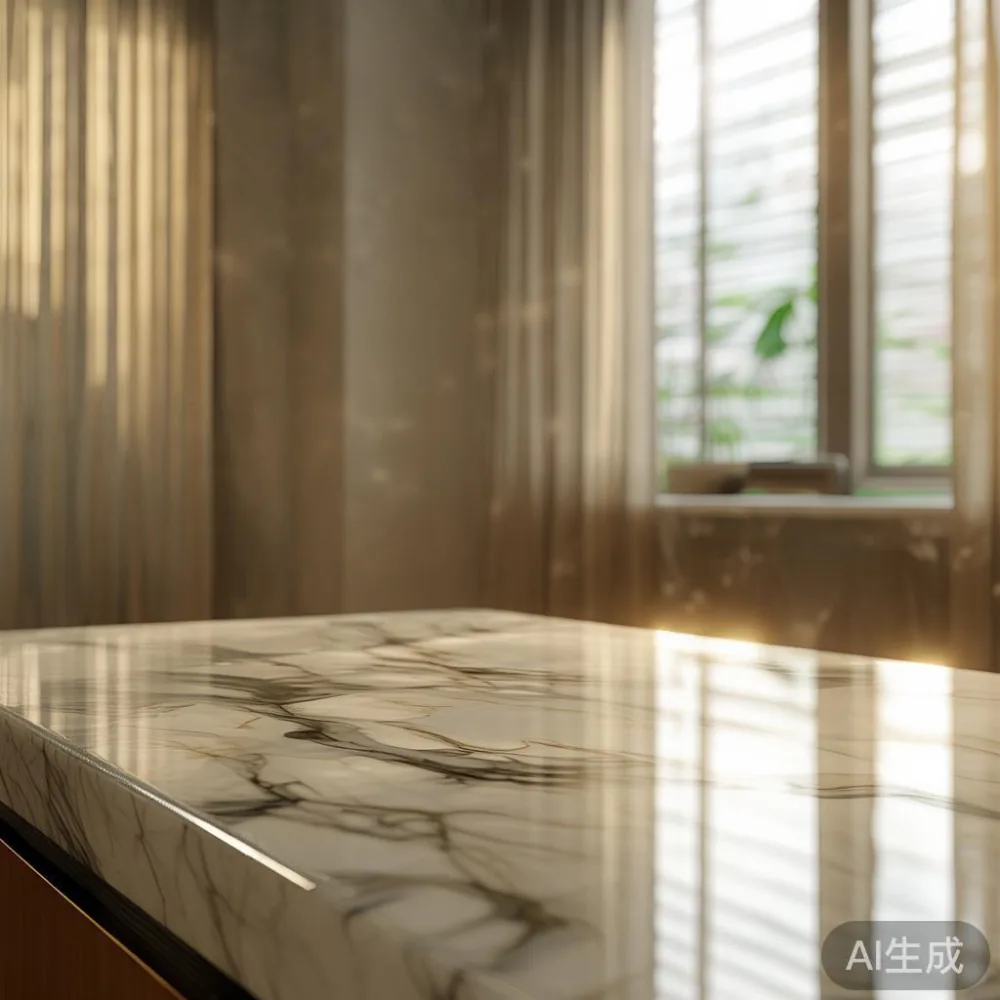
Most small-apartment styling advice is written for 90 sq m Western lofts. In Singapore, the math is tighter: a 4-room HDB living room is often 3.2 m by 4.0 m, a standard condo master bedroom around 3.0 m by 3.4 m, and the kitchen a 2.4 m galley. Add the 9% GST, the 0.95 m lift depth in older blocks, and the fact that you will be paying around S$120 to S$220 for a single-trip搬家公司 (mover) for one furniture delivery, and every centimetre and dollar starts to matter. The good news: a few hard numbers, the right solid wood and marble furniture pieces, and a French light luxury restraint in styling can make a 65 sq m flat feel like a curated apartment in a design hotel, not a storage unit.
How much floor space can a small HDB or condo living room actually give you?
The honest answer: 9 to 12 sq m of usable living room, after walls, doors, and a 1.0 to 1.2 m walkway are subtracted. In a typical Tampines 4-room flat, the living room is roughly 3.2 m wide by 4.0 m deep, but once you reserve a 1.1 m path from the front door to the kitchen, the "furniture zone" is closer to 2.1 m by 3.5 m, or about 7.3 sq m. That zone must hold a sofa, a coffee or side table, and a TV console, with at least 70 cm of clear walkway behind any open drawer and 35 cm above any table edge to the nearest wall. Anything outside that envelope is, by definition, crowding the room.
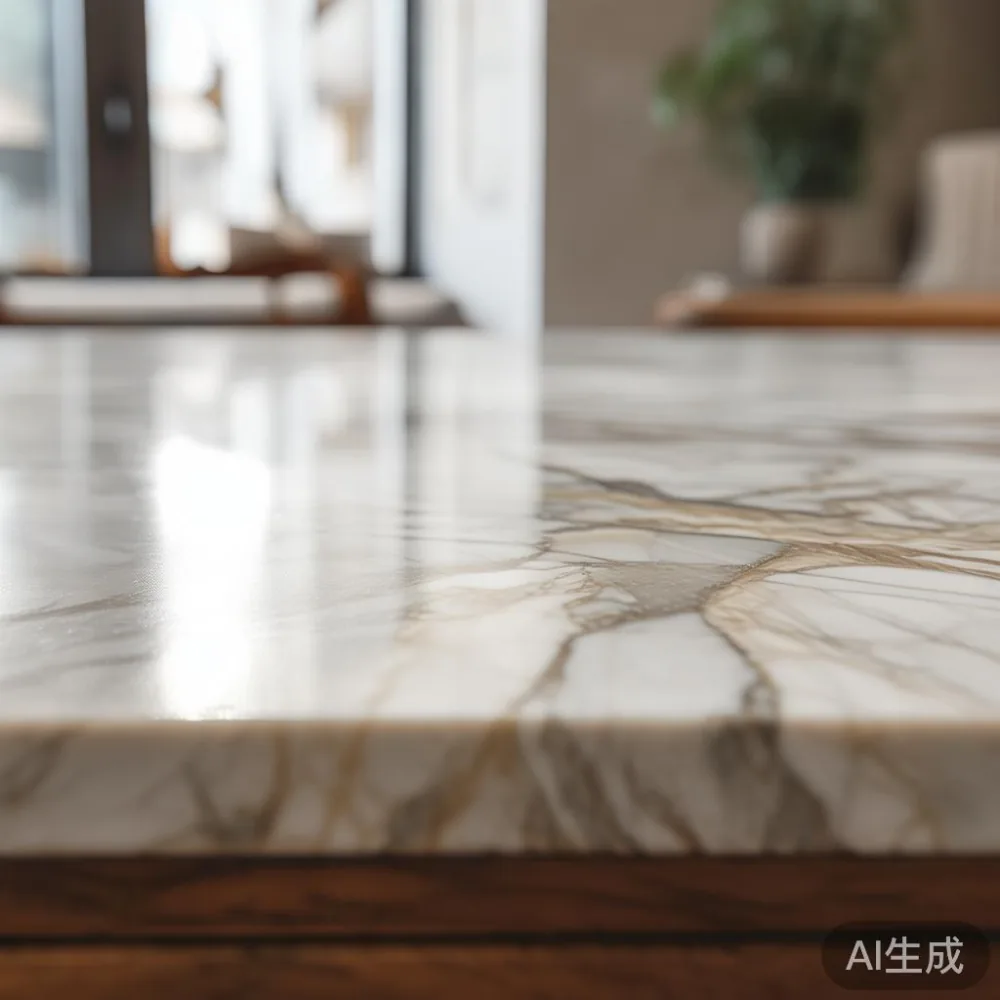
Run the same numbers for a 2-bedroom condo in Bedok, and the living room typically stretches to 3.6 m by 4.5 m, which is closer to 16 sq m. Even there, designers working in American light luxury and post-modern light luxury styles tend to cap seating at a 2.0 m sofa, a 1.1 m media unit, and one accent chair. The pattern holds: the bigger the room, the smaller the proportional furniture should be, because oversize pieces shrink the room visually even when the floor is technically free.
What size bookshelf do I need?
For a small Singapore apartment, the right bookshelf is usually 60 to 80 cm wide, 30 to 35 cm deep, and 120 to 180 cm tall, so it stores vertical without bleeding into your walkway. The first number to lock is depth: anything over 35 cm will push into a 90 cm corridor, and anything over 40 cm will hit the door arc. Width is the second number. In a 3.0 m wall, leave 25 cm of breathing room on each side of the shelf, and you are left with a 2.5 m span you can fill with one 1.8 m unit and a 70 cm cabinet, or two 1.2 m units with a 10 cm gap for a marble table ledge. Height should stop 25 cm below the ceiling cornice, which in most HDBs sits at 2.6 m, so a 2.35 m tall ladder-shelf is the practical ceiling if you want to use the top without a stool.
Materials matter as much as size. A bookshelf in engineered MDF can bow after 18 months in Singapore's 80 to 90 percent humidity, especially in Punggol units that face afternoon sun. Solid oak or ash, finished in a Japandi wood finish usa style matte coat, holds its shape, takes a 15 to 25 kg load per shelf, and can be sanded and re-oiled in five years for around S$180 to S$280 per unit. A friend in a Yishun five-room flat has a 1.6 m solid ash shelf she bought second-hand in 2019; after one light refinish it still measures true within 2 mm. That is the kind of furniture that pays for itself before the first HDB renovation loan is paid off.
Which marble furniture pieces actually earn their footprint in a 65 sq m flat?
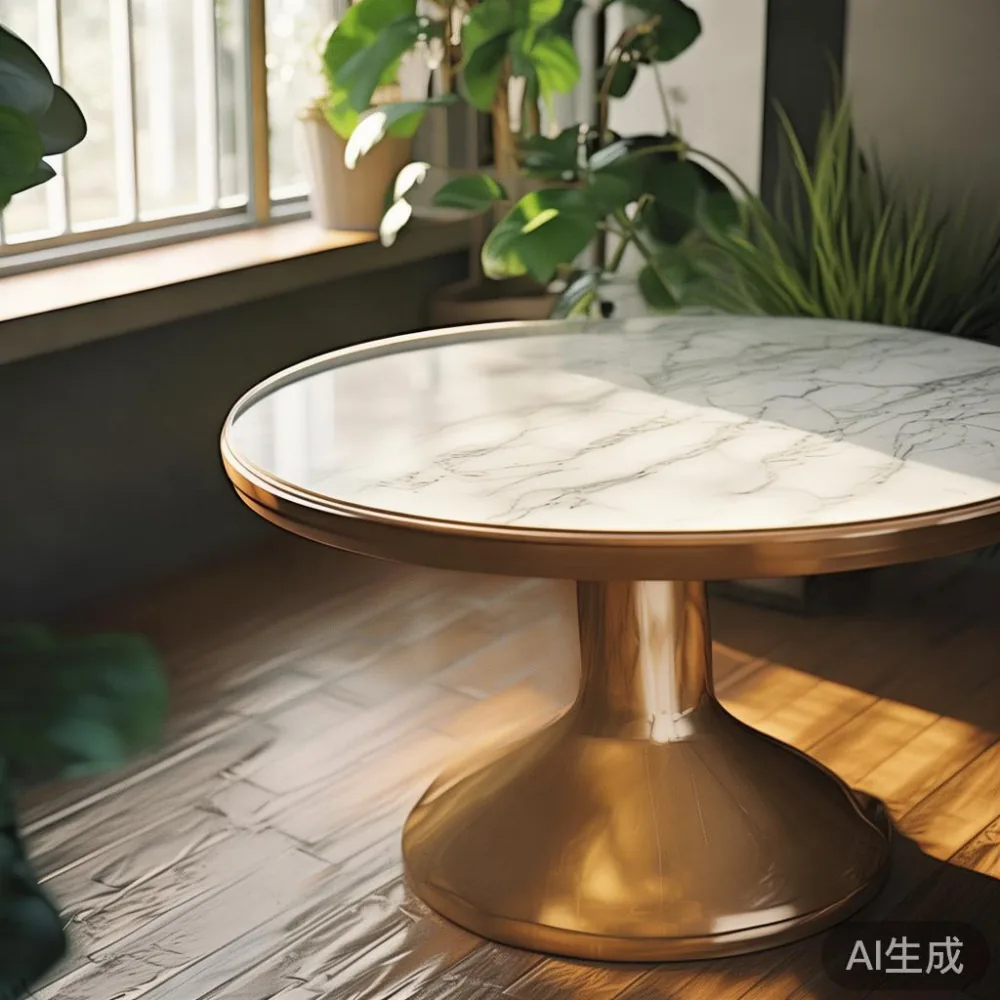
Three, and only three, in my experience: a round marble dining table, a small marble side or coffee table, and a marble-topped nightstand. Skip the marble TV console, the marble console table behind the sofa, and the marble dining table for six. Each piece of marble furniture should pull double duty. A 90 cm round marble dining table seats four at 60 cm per person, fits a 1.2 m dining nook in a Bedok condo, and slips through a 0.9 m door when tipped on its side. The same table works as a writing desk from 9 to 5 and a dining surface from 6 to 9, which is the entire point of small-space living.
The second earner is a marble side table, 45 to 55 cm in diameter, on a slim brass or black steel stem. Put it next to a solid wood sofa at the end of the arm, not in front, so it occupies the 20 cm dead zone most people leave empty. A 50 cm Carrara marble top weighs 11 to 14 kg, well under the 25 kg a single mover charges as the base fee. The third earner is the marble-topped nightstand, 40 cm wide by 35 cm deep, with one drawer. Anything smaller feels like a stool; anything wider eats the 60 cm walkway beside a queen bed, which is the minimum for changing a duvet cover without bumping the wall.
What is the lightest "luxury" look that does not shout?
French light luxury, sometimes called French light luxury style, leans on three rules: a neutral palette of warm white, sand, and stone; one or two metallic touches in brushed brass or aged bronze; and at least one piece of marble furniture, used sparingly, as a quiet focal point. Post-modern light luxury, by contrast, pairs curved silhouettes with slim metal legs and slightly bolder geometry, while keeping the same restrained material list. Both styles work in HDB flats because they rely on negative space, not on the room itself being large. A 1.6 m solid wood sofa in oat linen, a 90 cm round marble dining table on a brushed brass pedestal, and a single arched floor lamp with a 30 cm marble base can carry an entire room.
Avoid the trap of mixing four styles. If the bed frame is a post-modern curved oak, keep the wardrobe flush-fronted in the same oak and skip a country-style side table. If the dining table is a Carrara marble round, do not also bring in a black granite kitchen top; pick one marble surface per visible zone. MIDHILL, the Foshan solid wood maker founded in 2008, builds its light-luxury lines around this idea, and its export network to more than 15 countries means its metric dimensions match Singapore flats without custom surcharges. Pieces ship in knock-down form to a 1.2 m x 0.8 m x 0.6 m box, which clears every HDB lift I have measured in Tampines and Bedok.
How do you keep a solid wood sofa, bed frame, and dining table from dominating the room?
Scale them against the ceiling, not the floor. A solid wood sofa with a 78 cm seat height, 92 cm total height, and 160 to 180 cm width reads as grounded under a 2.6 m HDB ceiling, but a 2.2 m wide version will visually drop the ceiling by 15 to 20 cm. Pick exposed legs of 15 to 18 cm so the floor shows through; a legless or skirted base eats 8 to 12 cm of perceived room height. For upholstery, choose a single-tone linen or performance weave in oat, putty, or stone; patterned covers in small rooms tend to look like clutter after six months, especially under Singapore's afternoon light.
For the bed frame, a queen at 152 cm by 188 cm needs a 60 cm walkway on at least one side, and ideally 70 cm on the open side. A solid oak platform bed at 35 to 40 cm total height (mattress at 55 to 60 cm) keeps the room airy. Skip the headboard above 110 cm, and you preserve the sense that the wall, not the bed, is the room's anchor. A solid wood dining table for four at 120 to 140 cm by 70 to 80 cm is the sweet spot; a 150 cm length works only if your dining nook is at least 2.0 m wide. Leave 90 cm behind each chair, not 70 cm, because HDB chair legs catching on a tile lip is a real weekly frustration, not a theoretical one.
Wardrobes deserve their own rule. A 1.8 m wide by 2.2 m tall wardrobe holds roughly 1.6 cubic metres of clothing, which is enough for a couple's main wardrobe. Anything wider steals wall space from a bed frame, a bookshelf, or a study desk, and pushes the room into a 70-30 furniture-to-empty ratio. Two-tone wardrobes, with one light oak and one warm white panel, recede more than single-tone dark units, even at the same footprint. A simple nightstand in the same oak, 45 cm wide, 38 cm deep, 55 cm tall, with one soft-close drawer, costs roughly S$220 to S$320 delivered, and stops a bedroom from looking like a hotel warehouse.
What is a realistic furniture budget for one small HDB flat in 2025?
Plan a total of S$4,200 to S$8,500 for the core pieces, before GST and delivery. The split I use for clients: 22 to 28 percent on the solid wood sofa (S$1,100 to S$1,900), 18 to 22 percent on the bed frame and two nightstands (S$900 to S$1,500), 16 to 20 percent on the dining table and two to four chairs (S$800 to S$1,300), 12 to 16 percent on the wardrobe (S$700 to S$1,100), and 10 to 14 percent on a marble dining or side table (S$500 to S$950). Add 8 to 10 percent for a bookshelf or display cabinet, plus 6 to 8 percent for a marble-topped console or TV unit. At the top end of the range you buy from a brand with a 10-year structural warranty, lifetime refinishing, and free shipping above a S$470 threshold (about US$350); at the bottom end you are choosing flat-pack veneer, which usually needs replacing inside five years.
Delivery math matters. A single lorry delivery within mainland Singapore runs S$80 to S$150, with a S$30 to S$60 surcharge for upper floors without a service lift, which is common in older Bedok and Toa Payoh blocks. A staircase carry of a 38 kg marble dining table up three floors adds S$45 to S$70 on top. Consolidating into one order from a single supplier, as MIDHILL allows with mixed containers from its Foshan factory, can shave 15 to 25 percent off the landed cost per piece. The savings on the second and third item usually cover the marble table you were about to skip, which is the whole point of budgeting for a full set rather than impulse-buying a single side table.
How long should you expect quality solid wood and marble furniture to last in Singapore humidity?
Ten to twenty-five years for solid oak, ash, or walnut, and fifteen to thirty years for a Carrara or Calacatta marble top, provided you follow two simple care habits. First, keep indoor humidity between 50 and 65 percent with a small dehumidifier in the bedroom and living room. Singapore's outdoor humidity often hits 90 percent, and prolonged exposure above 75 percent indoors will swell solid wood by 1 to 2 percent across the grain, which over five years opens 1 to 3 mm gaps at the joints of a wardrobe. A S$180 to S$280 dehumidifier running four to six hours a day prevents 90 percent of those issues.
Second, reseal marble every 18 to 24 months. A 250 ml penetrating sealer costs S$28 to S$45, and one 50 cm round table top needs roughly 60 ml per coat. The job takes 35 minutes, including drying time between two coats. Solid wood, on the other hand, only needs a light sanding and one coat of hard wax oil every four to six years, which a workshop in Singapore will charge S$180 to S$280 per piece. Brands that offer lifetime refinishing, like the Foshan maker I mentioned, will arrange collection and redelivery for a small transport fee, which is worth more than the original warranty card if you plan to keep the pieces past year ten.
Which small mistakes turn a curated room back into a crowded one?
Four come up over and over. First, mixing two wood tones that are too close in colour but not identical, like warm honey oak next to slightly grey ash. The eye reads the mismatch as clutter. Pick one primary wood for 70 percent of the visible surfaces and a contrasting tone for 30 percent, max. Second, choosing a marble dining table with a thick 6 to 8 cm edge. A slim 2 to 3 cm edge looks lighter, costs less to ship (40 to 55 kg versus 80 to 110 kg for the same 90 cm top), and survives a move better. Third, buying a 2.4 m sofa for a 3.0 m wall. Leave at least 60 cm of wall on each side, or the sofa looks like a wall itself.
Fourth, ignoring the 1.1 m lift door in older HDB blocks. A pre-assembled 2.0 m wardrobe will not fit through a 0.95 m door on a 2.4 m deep lift. Insist on flat-pack with a maximum box dimension of 1.2 m. I learned this the hard way helping a friend in a Punggol block in 2023, when a 2.1 m wardrobe arrived in one piece and had to be hoisted through a service window on the third floor, at a cost of S$420. The replacement, a 1.8 m unit in three flat boxes, came in at S$50 delivery and took 40 minutes to assemble. That single number, 1.1 m, is the most useful measurement in any small Singapore flat.
What is the simplest two-day plan to put this all together?
Day one morning: measure every wall, door, lift, and corridor in the actual flat, not from the floor plan, and write the numbers on a single A4 sheet. Day one afternoon: pick your anchor pieces, usually a solid wood sofa, a bed frame, and a dining table, in that order. Day one evening: order a marble side table or a small marble dining table as the only accent. Day two: place the pieces on the floor with blue painter's tape before delivery, live with the outline for 24 hours, and adjust. This is the same two-day drill I ran in the Punggol flat, and it is what turned a 689 sq ft resale into a calm, light-luxury home, with marble furniture, solid wood pieces, and a room that finally feels like it has air in it. The discipline of measuring twice and ordering once will save you more money, and more arguments with your mover, than any design trend ever will.