Optimizing Small Spaces: Marble Furniture for Singapore Apartments
Living in a Singapore apartment, whether a compact HDB flat in Tampines or a streamlined condo in Punggol, presents a unique design challenge. The desire for a beautiful, curated home often clashes with the physical reality of limited square footage. The key isn't about finding more space, but about mastering the art of illusion, clever storage, and intentional design. This guide focuses on principles and furniture choices that can make a 60-square-meter living area feel open, airy, and luxurious, without ever feeling crowded.
Understanding the Singapore Context: Space is Precious
Before selecting a single piece of furniture, it's important to understand the environment you're working with. Singapore's public housing, particularly HDB flats, often features long, narrow living rooms and bedrooms. The standard corridor width is about 1.2 meters, and lift dimensions are typically 1.1 meters by 1.4 meters. This means any large furniture you bring in must be maneuverable. A bulky, solid wood sofa that is 2.2 meters long will be a struggle to get through a doorway and around corners. The same logic applies to delivery; a company like MIDHILL, for instance, understands these constraints and often provides detailed dimensions to ensure a smooth process. When budgeting, remember that all furniture purchases are subject to 9% GST, which adds up quickly on items like a marble dining table or a solid wood bed frame. Planning for these costs is part of a successful project.
How Can Furniture Actually Make a Small Space Feel Bigger?
This is the most common question I receive from clients. The answer lies in a few core principles that manipulate perception and maximize utility. First, think about sightlines. A cluttered room feels smaller because the eye has to stop and process numerous objects. By keeping floors clear and using furniture with exposed legs, you create a sense of unobstructed space, allowing the eye to travel further. A sofa raised on slender metal legs, for example, feels less bulky than one that sits directly on the floor. Second, consider scale. A massive, overstuffed sofa will dominate a small living room. Instead, opt for a more compact, streamlined piece that fits the room's proportions. The goal is for furniture to serve its purpose without overwhelming the space.
The Power of Verticality: Drawing the Eye Upward
One of the most effective strategies for small spaces is to emphasize the vertical dimension. Instead of spreading out horizontally, draw the eye upward. This can be achieved with tall, narrow bookcases or wardrobes that reach towards the ceiling. A wardrobe that stands 2.2 meters tall provides immense storage without consuming precious floor space. The same principle applies to lighting. A floor lamp with a tall, slender profile can add both illumination and a sense of height. Using vertical stripes in wallpaper or even in the lines of a tall marble console table can also trick the eye into perceiving a room as taller than it is. This approach creates a sense of grandeur and spaciousness that horizontal layouts cannot match.
Light Luxury and the Art of Minimalism
When space is limited, every piece of furniture must earn its place. This is where light luxury styles, such as French or post-modern light luxury, excel. These aesthetics are defined by clean lines, refined materials, and an emphasis on quality over quantity. A French light luxury approach might feature a delicate, elegant marble table top on a slim, wrought-iron base. The marble adds a touch of opulent texture without the bulk of a solid wood piece. The focus is on creating a calm, uncluttered environment. My colleague, who recently decorated her Bedok studio, found that investing in one high-quality statement piece, like a solid wood dining table with a beautiful marble inlay, allowed her to keep the rest of the room minimalist and open. The result is a space that feels both expensive and serene.
Choosing the Right Pieces: A Room-by-Room Guide
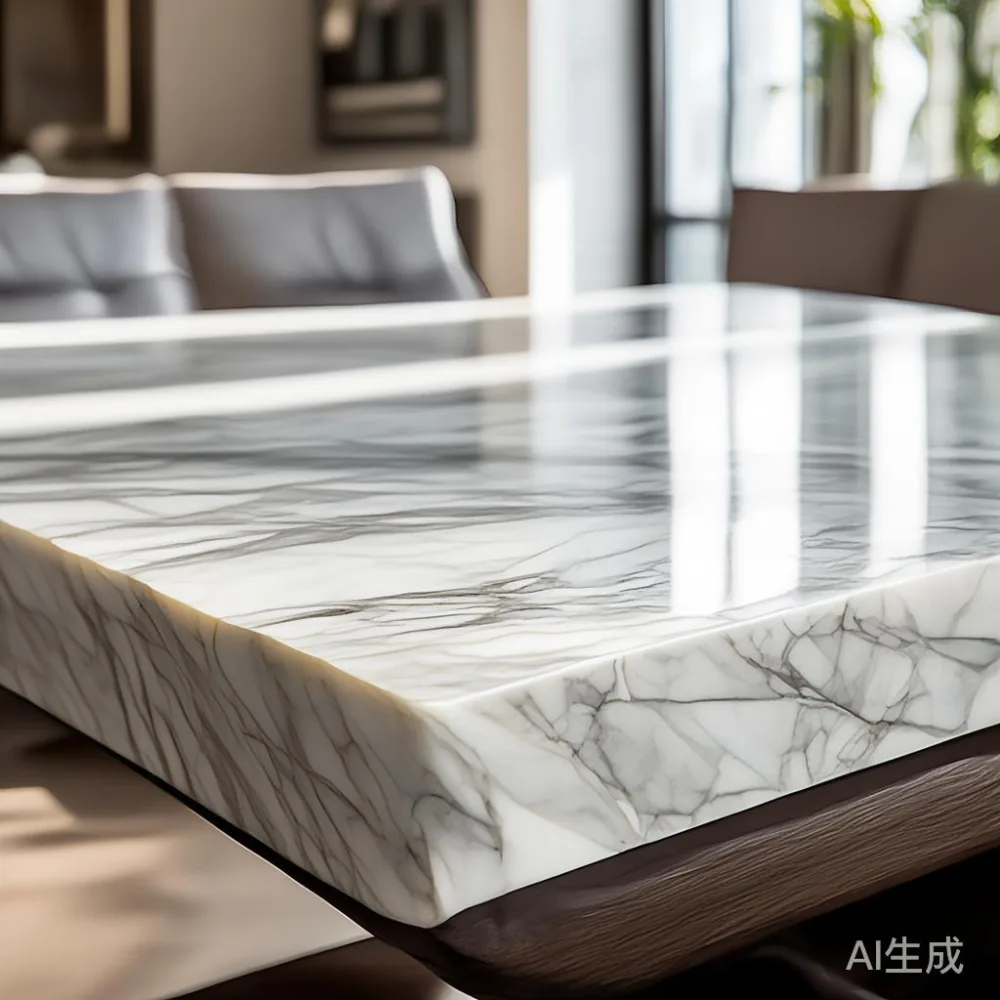
Selecting furniture for a small apartment requires a specific strategy for each room. The living room should center around a sofa that is proportionate to the space. A 2-meter long solid wood sofa might be too large for a typical HDB living room; a 1.8-meter or smaller L-shaped sofa could be a better fit. For the bedroom, the bed is the anchor. A low-profile platform bed frame, especially one in a light-coloured wood, can make a room feel more expansive. When considering the best Japanese bed for 2026, focus on designs that feature integrated storage, such as drawers underneath, to eliminate the need for a bulky bedside table. Speaking of tables, a marble table can be a stunning centrepiece for a dining area or a living room nook. Its cool, reflective surface helps to bounce light around the room, making it feel brighter and more open.
Storage Solutions That Disguise Themselves
In a small apartment, storage is non-negotiable, but bulky cabinets can make a space feel cramped. The solution is to find furniture that doubles as storage. A solid wood bed frame with built-in drawers is a classic example. Ottomans that lift to reveal hidden compartments are another excellent choice for the living room, providing both seating and a place to store blankets or remote controls. For the bedroom, a wardrobe with sliding doors is often a better option than one that swings open, as it saves the space that would be needed for the door arc. Some modern wardrobes even have interior mirrors, eliminating the need for a separate freestanding mirror and saving even more space. These integrated solutions keep your belongings neatly tucked away, preserving the clean lines of your home.
Strategic Use of Mirrors and Reflective Surfaces
It's a decorator's trick for a reason: mirrors are incredibly effective at making a small space feel larger. A large, ornate mirror leaning against a wall can create the illusion of a window or an extra room. For a more modern look, consider a wall-mounted mirror with a sleek metal or wood frame. Mirrors work by reflecting light, so placing one opposite a window will maximize the amount of natural light bouncing around the room. This principle extends to other materials as well. The reflective surface of a marble table top, for instance, can help to brighten a dark corner. Even the finish on your furniture plays a role; a high-gloss or lacquered finish will reflect more light than a matte one, contributing to a sense of airiness.
Creating Cohesion with a Unified Style
A small space can quickly look chaotic if the furniture styles clash. The best approach is to choose a unified design theme and stick with it. This creates a sense of order and makes the room feel intentionally designed, not just a collection of random items. For instance, if you love the minimalist aesthetic of Japandi for dining room, you would pair a simple, light-coloured solid wood dining table with sleek, low-profile chairs and minimal decor. Similarly, if you prefer a European light luxury for guest room, you might select a classic, elegant bed frame with refined linens and a small, sophisticated marble side table. This consistency in style helps the eye move smoothly around the room, preventing it from getting stuck on jarring elements.
Lighting: The Unsung Hero of Small Spaces
Good lighting is transformative. In a small apartment, relying on a single overhead light can create harsh shadows and make the space feel flat and confined. A layered lighting approach is key. Start with ambient light, such as a ceiling fixture with a warm bulb. Then add task lighting, like a reading lamp next to the sofa or under-cabinet lighting in the kitchenette. Finally, incorporate accent lighting, such as a floor lamp in a corner or small spotlights highlighting a piece of art or a marble table. Using light, warm bulbs (2700K-3000K) will create a cozy, inviting atmosphere. Dimmer switches are an excellent investment, allowing you to adjust the mood of the room throughout the day, from bright and energetic in the morning to soft and relaxing in the evening.
Practical Considerations: Delivery and Returns
Even the most beautiful furniture is useless if it doesn't fit or you don't like it in your home. This is where practical details matter. Before you buy, measure your doorways, lift landings, and the exact dimensions of your room. A 1.5-meter wide corridor might seem spacious, but a 1.8-meter wide wardrobe will not fit. When considering a purchase, check the delivery policy. Free shipping over SGD 350 is a great offer, but confirm the delivery timeframe. A reputable company should be able to provide a specific window, such as 7-10 business days. Equally important is the return policy. A 14-day return policy gives you peace of mind. If a solid wood sofa or a marble table arrives and doesn't look right in your space, you have the option to send it back without a lengthy, complicated process. This practicality is just as important as the aesthetic appeal when furnishing a small home.
How to Style a French Provincial Bed in an Apartment?
The French Provincial style, with its elegant curves and ornate details, can seem challenging to incorporate into a modern, small apartment. The key is to scale it down and simplify. Instead of a large, carved headboard, opt for a more streamlined version with subtle, elegant lines. Choose a lighter wood finish, like whitewashed oak or a soft grey, to keep the look airy. The bedding should be simple and luxurious—think high-quality linens in solid colours like cream, blush, or slate grey. Avoid overly ruffled or heavy curtains. Instead, use simple, floor-length panels in a light, sheer fabric. This approach allows you to enjoy the romantic charm of the French Provincial style without overwhelming your limited space. It’s a delicate balance between ornate and minimal.
The Final Touch: Personalization and Greenery
A home should reflect the people who live in it. Once the larger furniture pieces are in place, add personal touches that make the space uniquely yours. This could be a collection of books on a floating shelf, a few carefully chosen pieces of art, or travel souvenirs displayed on a console table. Plants are another important element. They add life, colour, and texture to a room. In a small apartment, vertical plants like pothos or snake plants are perfect as they don't take up floor space. A small, potted herb garden on a windowsill can also add a touch of charm. These final details transform a house into a home, making it a place you love to return to every day.