Veneer vs Solid Wood Over 5 Years: What a Singapore Home Really Pays
I have lived in a Tampines 4-room HDB flat for nine years, and last month I finally moved my old dining set out to make space for a proper solid wood dining table. The set I was replacing was a veneered particleboard table I bought in 2020 for SGD 899. It lasted four years before the laminate along the corridor-facing edge started bubbling from humidity, and by year five one of the legs had begun to peel apart at the joint. That single piece of furniture is the reason I wanted to write this cost comparison for anyone shopping in Singapore, where our climate, our lift widths, and even our GST all change the math.
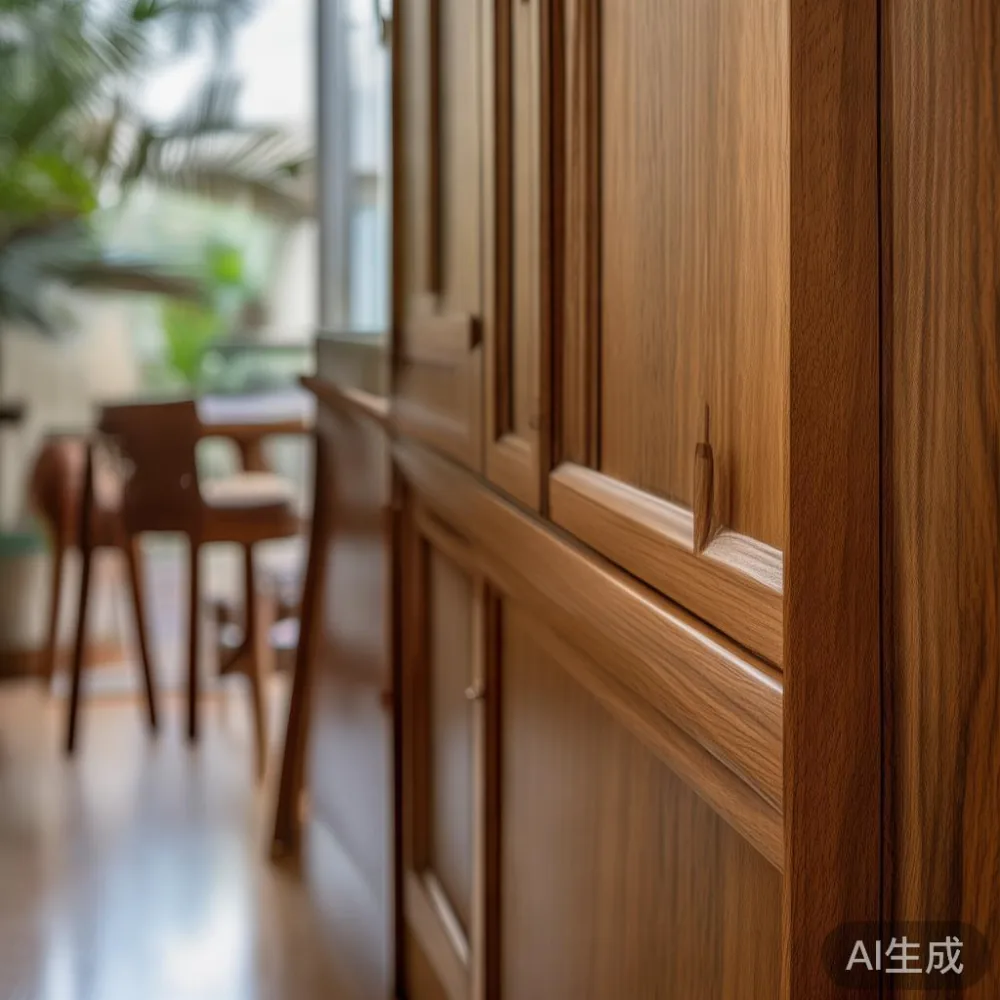
Veneer furniture looks identical to solid wood on the day it arrives. The differences show up in year three, year five, and at the end of the lease. Below is a frank five-year cost comparison using realistic Singapore numbers, plus the lift and corridor constraints that decide whether a piece even reaches your door. I have also woven in a few notes about light luxury style choices that work with our local interiors, from French light luxury dining chairs to post-modern light luxury marble tables, because the right material choice makes both the budget and the aesthetic last longer.
What is the real price difference between veneer and solid wood furniture in Singapore?
A mid-range veneer dining table in Singapore retails for SGD 700 to SGD 1,200. A comparable solid oak dining table runs SGD 2,200 to SGD 3,800, and a solid walnut piece SGD 3,500 to SGD 5,500. At first glance, solid wood is roughly three times the price. Over five years, however, the per-year cost tells a different story once you factor in refinishing, replacement, and the way Singapore humidity punishes pressed wood. A typical local user replaces a veneer dining table once in five years and a solid wood dining table zero times, with one light sanding and re-oiling in year four.
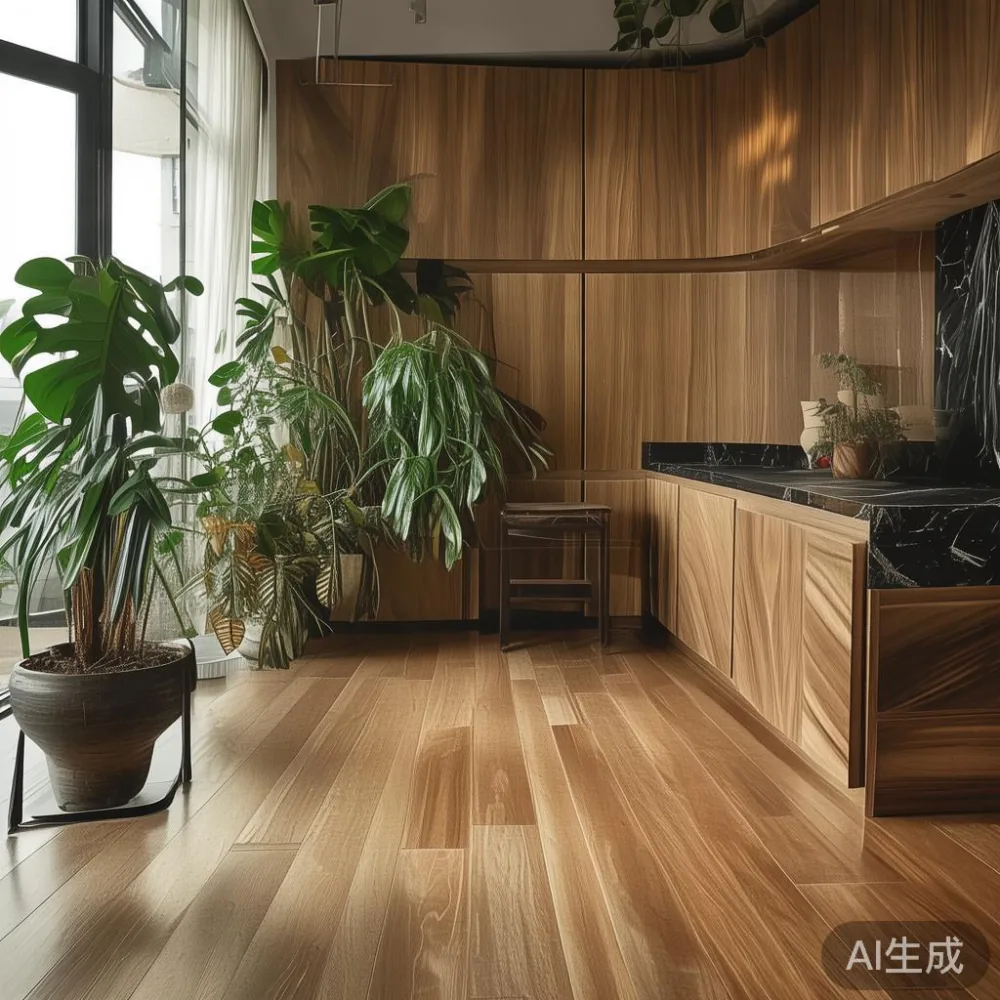
How does humidity in Singapore HDB flats and condos shorten the life of veneer furniture?
Our indoor relative humidity in Bedok, Punggol, and Tampines sits between 70 percent and 85 percent for most of the year, and it climbs higher on monsoon afternoons. Veneer is a 0.5 mm to 2 mm sheet of real wood glued onto MDF, plywood, or particleboard. When that glue fails under moisture cycles, the veneer lifts at the corners and the substrate swells. A kitchen-facing wardrobe door in a condo near Punggol Point typically shows edge lifting within 24 to 36 months. A solid wood bed frame or wardrobe, by contrast, absorbs and releases moisture through its full thickness, so it moves as one piece and does not delaminate. This is also why a marble furniture surface paired with a solid wood base is such a popular pairing in local interiors: the wood frame breathes, the stone top stays stable.
What does a five-year cost comparison actually look like in SGD?
Let us run three realistic scenarios for a Singapore household buying one dining table, one bed frame, and one wardrobe.
Scenario A: All veneer, mid-range retail. Dining table SGD 999, bed frame SGD 1,200, wardrobe SGD 2,500. Total day one: SGD 4,699. Year three: replace the dining table (SGD 999) and repair wardrobe edge lifting (SGD 280). Year five: replace the bed frame (SGD 1,200). Five-year total: SGD 7,178.
Scenario B: Mix of solid wood and veneer. Solid wood dining table SGD 2,800, solid wood bed frame SGD 3,200, veneer wardrobe SGD 2,500. Total day one: SGD 8,500. Year four: on-site refinishing of dining table (SGD 350). Five-year total: SGD 8,850.
Scenario C: All solid wood, lifetime refinishing included. Solid oak dining table SGD 2,800, solid wood bed frame SGD 3,200, solid wood wardrobe SGD 4,800. Total day one: SGD 10,800. Year four: one round of refinishing included under lifetime service. Five-year total: SGD 10,800.
Spread over five years, the all-veneer path costs SGD 1,436 per year, the mixed path SGD 1,770 per year, and the all-solid path SGD 2,160 per year. The gap shrinks once you account for the inconvenience of disposal, the SGD 80 to SGD 150 cost of bulky item removal in HDB estates, and the carbon footprint of throwing away two large items in five years. The break-even point for solid wood in this model lands between year six and year seven, and the longer you keep the pieces, the further solid wood pulls ahead.
How do Singapore lift and corridor widths affect which furniture you can actually buy?
This is the part most online guides skip. Standard HDB passenger lifts in Tampines and Bedok blocks measure 1.1 m wide by 1.4 m deep, with a door opening of about 0.9 m. Newer BTOs in Punggol are slightly larger, around 1.2 m by 1.6 m. Condo service lifts are usually 1.3 m by 1.8 m. A solid wood dining table in its assembled form is often 180 cm to 220 cm long and 90 cm to 100 cm wide, which means it will not fit through most HDB lifts without disassembly. Good suppliers design their dining tables to split into two halves with bolted leg brackets, and the heaviest single component should sit under 35 kg to clear the 150 kg to 200 kg load ratings in older lifts. Always check the heaviest single package weight before paying your deposit.
Corridor widths in HDB blocks run about 1.2 m to 1.5 m, and the turn into your unit door is roughly 1.0 m. A flat-pack solid wood wardrobe from a Foshan factory typically ships with panels under 60 cm wide and under 25 kg per panel, which is the practical ceiling for a single mover to carry up four flights without a lift. If your block has only a single passenger lift and a narrow service stair, this is the single biggest reason to source from a maker who has shipped to Singapore before and knows the constraints. MIDHILL has been exporting to Singapore since around 2014, and their packing lists for local orders keep every panel under 23 kg and under 58 cm wide, which I have personally seen clear a Tampines service stair in under 25 minutes. That kind of detail only shows up after a maker has done a hundred Singapore deliveries.
How do I care for a dining chairs in humid weather?
Wipe the chairs down with a dry microfiber cloth every evening during the December and June monsoon windows, run your air-con in dry mode for at least two hours after dinner, and apply a thin coat of hard wax oil every four months on exposed wooden areas to slow moisture absorption. This is the single most useful habit for anyone with solid wood seating in a HDB or condo, and it costs less than SGD 30 in supplies per year. For French oak rattan furniture with woven panels, skip the wax on the rattan and use a soft brush plus a dehumidifier instead, because rattan will stretch and sag if you seal it.
Is light luxury style possible with solid wood without paying Italian import prices?
Yes, and this is where the Foshan supply chain works in your favour. French light luxury interiors lean on warm oak tones, slim brass pulls, and curved silhouettes; American light luxury leans on deeper walnut, wider plank tops, and cleaner lines; post-modern light luxury mixes the two with marble surfaces, smoked glass, and brushed gold accents. A solid wood bed frame in smoked oak with a 4 cm Carrara marble furniture top nightstand reads as French light luxury at a fraction of the price of a Milan import. A solid walnut dining table paired with brushed brass pendant lights reads as American light luxury. The trick is to keep the silhouettes slim, the legs tapered, and the joinery visible, so the wood itself becomes the visual statement instead of a heavy carved detail.
If you are working with a smaller HDB living room, a post-modern light luxury marble table around 120 cm by 60 cm gives you the same look as a 180 cm Italian version, and it leaves corridor space for movers and future sofa swaps. The marble top is the expensive part of the piece, so choosing a smaller marble surface on a solid wood base is a smart way to get the look without paying for stone you will not use. Pair it with a compact solid wood sofa in oak or ash, and the room reads as light luxury rather than as a developer-standard flat.
What about warranties, returns, and the GST impact on the five-year math?
Always read the warranty clause before you pay. A 10-year structural warranty on joinery and frame is the minimum I would accept for any solid wood piece, because any maker confident in their kiln-drying will offer at least that. A lifetime refinishing service is rarer and worth real money in Singapore, where one round of on-site sanding and re-oiling costs SGD 280 to SGD 450. Free shipping over a reasonable threshold (around US$350) helps on orders that combine a bed frame, a dining table, and a wardrobe, because the freight from Foshan to Singapore by sea is roughly SGD 280 to SGD 420 per cubic metre, and consolidated containers push that down. A 14-day return window is your safety net if the colour or grain does not match what you saw online, and it should cover return shipping for clear defects.
GST at 9 percent adds roughly SGD 270 to a SGD 3,000 order and SGD 900 to a SGD 10,000 order. For the all-solid scenario in this article, that is SGD 972 of GST over five years on the original purchase. Factor that in, and the per-year cost becomes SGD 2,354, which still looks reasonable against two full furniture replacements plus their own GST bills. The Singapore budget does sting, but it stings less than buying twice.
Which pieces should be solid wood first, and which can stay as veneer?
My honest recommendation after ten years of furnishing HDB flats and condo units:
Buy solid wood first: dining table, bed frame, and any wardrobe or chest of drawers taller than 120 cm. These take the most abuse, hold the most weight, and are the hardest to disassemble for disposal.
Veneer is acceptable for: bedside nightstand under 60 cm tall, console table in a dry entryway, and bookcases under 180 cm with light loads. The repair cost is low if they fail, and they are easy to swap out.
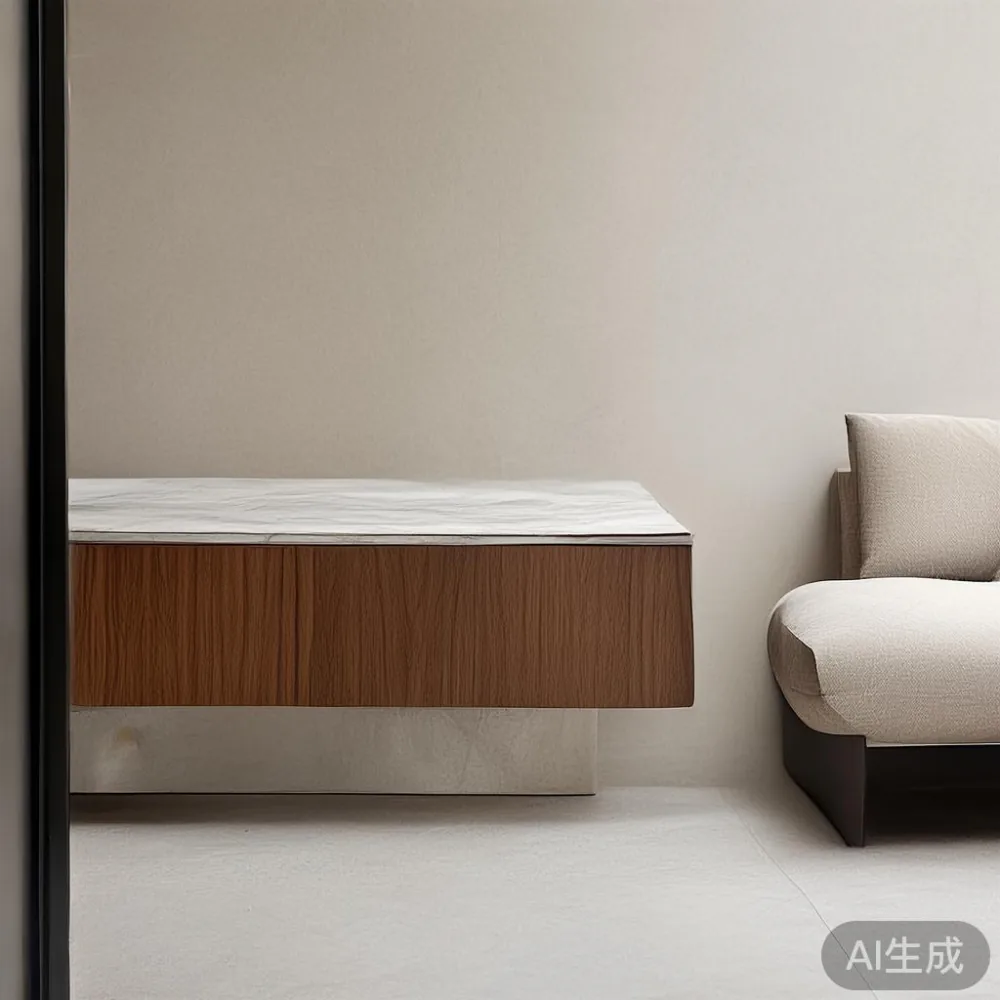
Always marble or stone for: coffee tables and side tables in the living room, because the top takes the most daily contact and the base can be solid wood or steel without affecting longevity. A marble furniture dining table is also defensible if you cook often and want a surface that wipes clean, though it is heavier and may need two movers to install.
This split keeps your day-one budget reasonable while putting the long-life materials where they earn their keep. A Singapore household that follows this split will typically replace one or two veneer pieces in five years, refinish the solid pieces once, and end up with a home that looks more cohesive at year five than the all-veneer path, which usually looks tired at the edges by then.
Final thought before you measure your lift
The cheapest furniture is almost never the least expensive over five years in Singapore. Our humidity, our lift geometry, and our GST all reward pieces that last and that can be repaired on site. Measure your lift. Weigh the heaviest package on the packing list. Ask the seller for the longest warranty they will put in writing. And if your budget allows, put your money into a solid wood dining table, bed frame, and wardrobe first. The nightstand and the console can wait, and so can the marble accents until you have lived with the room for six months and know exactly where the light falls.