Lacquered Marble Furniture in a Tropical Home: Care Without Guesswork
Singapore’s heat, humidity, and monsoon rain can be demanding on furniture finishes, but lacquered surfaces can remain attractive for many years with sensible habits. This guide focuses on lacquered solid wood furniture and marble furniture used in HDB flats and condos around Tampines, Bedok, and Punggol. It covers dining tables, bed frames, wardrobes, nightstands, and seating, with special attention to reflective lacquer, natural stone, and the restricted access common in Singapore homes.
The examples here reflect MIDHILL’s light-luxury approach, which pairs solid wood construction with restrained European and American details. A 180 cm dining table may sit comfortably in an open-plan dining zone, while a 150 cm solid wood sofa can work in a compact living room. Measurements matter because many HDB corridors are narrow, lifts have limited turning space, and a large package cannot simply be angled around a landing.
Why does tropical humidity affect lacquered furniture?
Humidity does not automatically ruin lacquer. The issue is repeated movement: a lacquered solid wood bed frame or dining table can expand as timber absorbs moisture, then contract when air-conditioning lowers the humidity. Sudden changes between a corridor at 30°C and an air-conditioned bedroom at 23°C may encourage small movements around joints and lacquered edges.
For Singapore conditions, aim for a relative humidity reading of roughly 45% to 65% where practical. Place a hygrometer near the piece rather than relying on a weather app. If the display falls below 40% for several days, run the air conditioner or dehumidifier for 1 to 2 hours rather than making abrupt adjustments. Avoid directing cool air straight at a wardrobe for 8 hours a day.
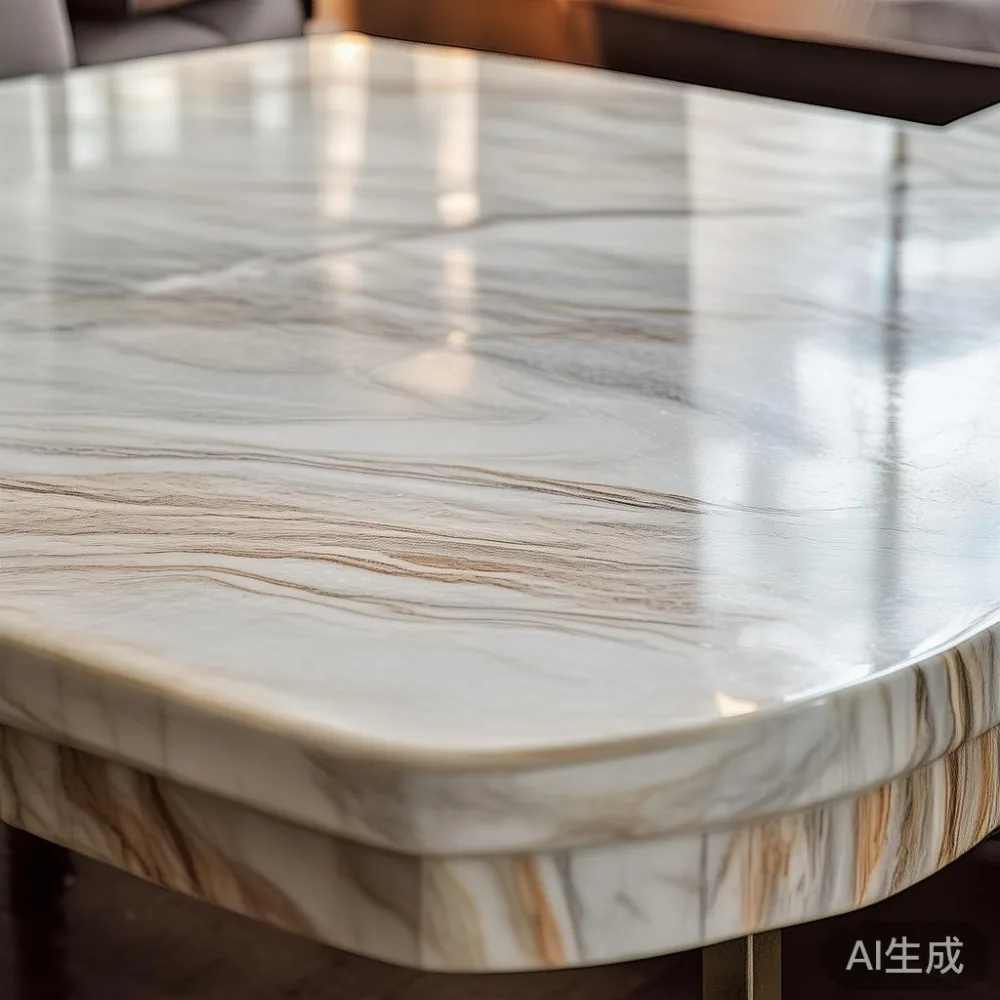
Marble furniture deserves slightly different treatment. Marble is less sensitive than timber to humidity, but its resin binder and protective lacquer can respond to heat, acidic liquids, and abrasive grit. Keep a 30 cm gap between a lacquered marble table and curtains or radiators, and use a stable coaster rather than a wet glass.
What should I do in the first 30 days with a new lacquered piece?
Allow the furniture to acclimatise for about 7 days before tightening any fittings or moving it into its final position. Check the underside, doors, drawers, and corners for transit marks. Photograph the finish in daylight and under the room’s normal evening lighting; this creates a useful record if a later issue is found.
My colleague visited a client in Bedok last month to inspect a lacquered dining table after delivery. The 200 cm table had travelled from Foshan furniture production through a narrow HDB corridor and a 900 mm lift opening. Following delivery, my colleague found 3 fine marks along one lacquered edge, documented them within 24 hours, and arranged the appropriate finish inspection. The lesson was simple: keep the packaging for at least 14 days and record all sides before assembly.
Do not place a newly delivered wardrobe directly against a sunlit wall. For a 240 cm unit, leave 10 cm to 15 cm of ventilation space at the rear where the design allows, and avoid stacking objects on its top. For a 45 cm nightstand, keep it 20 cm away from a window if condensation collects on the glass.
How should I clean lacquered marble and solid wood surfaces?
Use a soft, lint-free cloth dampened with warm water and a drop of mild dish soap. Wipe with the grain on solid wood components, then dry immediately with a clean cloth. Do not soak edges, let liquid sit for more than 2 minutes, or use baby wipes, alcohol, vinegar, ammonia, bleach, silicone spray, or abrasive powder.
For lacquer, use the “lightly damp cloth” test: the cloth should feel cool but not release water when squeezed. A 60 cm square cleaning cloth is easy to control around a marble table. Clean spills within 5 minutes where possible. A ring mark from a cup should not be treated with lemon juice or baking soda; those approaches can dull the sheen.
Follow a weekly schedule for high-touch areas and a monthly schedule for lower surfaces. Vacuum upholstered seating with a 150 mm crevice tool and remove grit before wiping lacquered frames. For a solid wood sofa, a 2.5 mm vacuum attachment keeps dust away from joints. If a surface has hairline scratches, confirm the finish type with the maker before applying oil or polish; an incompatible product can make a repair cloudy.
Can sunlight and heat cause lacquer to fade or bubble?
Yes. Prolonged ultraviolet exposure can fade colour, while concentrated heat may soften or bubble lacquer. Singapore’s west-facing condo windows can receive strong afternoon sun even when outdoor temperatures are moderate at 31°C. A dining table near a window may accumulate more heat than a wardrobe in a shaded bedroom.
Keep furniture out of direct sun where possible, or use curtains with a UV-rated fabric and a 70% to 80% opacity. Avoid placing a hot pot directly on a marble table; use a trivet with at least 3 mm thickness and allow 5 cm between the cookware and the stone edge. Maintain 30 cm between a lacquered bed frame and a floor heater. Open curtains and blinds rather than attempting to cool the finish with a sudden burst of cold air.
Do not park furniture beside a west-facing window without checking the afternoon pattern for 7 days. If direct sun reaches the finish for over 2 hours each day, shift the piece or add a filtered screen. This is especially relevant to pale lacquer, where colour change becomes easier to see against a white wall.
How do I prevent scratches, rings, and dents?
Use felt or non-abrasive pads under everyday objects. The pad should be at least 25 mm wider than the object’s base. Replace felt every 6 months because trapped grit can scratch lacquer just as sandpaper would. For a dining table, provide 2 coasters for every 180 cm section and a 40 cm trivet for hot serving dishes.
Slide objects rather than dragging them. Lift a 3 kg marble ornament when moving it, and keep stone accessories away from table edges. A 5 mm silicone ring placed under a vase can reduce vibration, but confirm that the silicone will not leave a mark on lacquer.
For a solid wood bed frame, use 8 mm or 10 mm felt pads beneath legs that move frequently. Do not use plastic glides on carpet, since grit can become trapped. In lift lobbies and condo corridors, use a 1.5 mm protective blanket around lacquered corners before moving a wardrobe or marble table.
Is French provincial sofa worth it for a compact Singapore room?
The question “is French provincial sofa worth it” depends on scale and finish rather than the style label. A sofa with carved details and pale upholstery can suit a high-ceiling HDB living room, yet a bulky 220 cm model may crowd a narrow space. A 150 cm to 180 cm solid wood sofa with a restrained French profile can feel more balanced beside French light-luxury walls or simple plaster colours.
For anyone comparing a Japanese or European design, the guide on how to style Japanese wardrobe in bedroom offers useful storage ideas, but the actual room dimensions remain decisive. Closed wardrobes support an uncluttered look and protect clothes from humidity, while open shelving requires more dust management. A 200 cm wardrobe with sliding doors may reduce corridor conflicts inside a compact bedroom, though it can make access to drawers less convenient.
Buyers searching for light luxury with storage may prefer a solid wood bed frame with 2 drawers, a nightstand with 1 drawer, or a marble table with a concealed compartment. Every internal shelf should sit at least 25 cm above the floor if the piece is stored near a balcony, allowing inspection and airflow.
How should I style a Japandi sofa and a European light-luxury sofa?
When considering how to style Japandi sofa in room, focus on proportion, texture, and clear circulation. A low 190 cm sofa can suit a Punggol HDB flat if it leaves at least 75 cm between the seat front and a coffee table. Pair it with pale timber, off-white walls, and simple cotton cushions. Avoid adding many carved details, as the combination can lose the clean visual logic associated with the style.
For European light luxury, the practical guide on how to style European light luxury sofa in room starts with a rug sized so at least 20 cm extends beyond the front legs. A 230 cm rug can anchor a 210 cm sofa without overwhelming a 3.2 m by 3.6 m living area. French light-luxury furniture may use tapered legs and a pale upholstered seat; American light-luxury styling often favours broader, simpler profiles.
Post-modern light luxury can work well when one visual idea is repeated 3 times: for example, 3 black metal frames, 2 cream textiles, or 1 marble table with matching stone accessories. Keep glossy lacquer away from the busiest walking route if it reflects fingerprints visibly, and maintain 60 cm of clearance where family members regularly pass behind the sofa.
How often should lacquered furniture be maintained, and how do I handle mould?
Inspect high-use surfaces monthly and clean them every 7 to 10 days. Check door edges, drawer runners, and the area beneath a wardrobe every 3 months. Use a moisture meter designed for wood where readings are uncertain; a reading above 18% suggests the timber is damp and should be examined.
Surface mould on lacquer should not be scrubbed aggressively. Isolate the area, ventilate the room for 1 hour, and gently wipe it with a lightly damp cloth. A small patch on a hidden back panel can be tested with a manufacturer-approved cleaning method. If mould returns within 14 days, inspect drainage, air leakage, nearby damp walls, and the space behind the unit. For marble furniture, never pour bleach or chlorine cleaner onto stone; residues can damage metal fittings and dull lacquer.
For wardrobes, dry dusty items before placing them inside, and leave doors open for 30 to 60 minutes after returning from a rainy walk. Avoid storing damp clothes for more than 12 hours. Place moisture-absorbing products only where they cannot spill or shed particles onto a lacquered surface.
How do Singapore delivery sizes, GST, and warranties affect ownership?
Measure the lift opening, lift car, landing, corridor, stairs, and door before ordering. Record the narrowest point rather than relying on the advertised door width. A 900 mm lift door does not mean a 200 cm wardrobe can turn inside the car. MIDHILL can advise on packed dimensions for specific solid wood sofa, bed frame, dining table, wardrobe, nightstand, and marble table configurations, but the site measurement should be confirmed by the buyer.
Local delivery commonly takes 7 to 14 delivery days after production, depending on the finish and configuration. A compact piece such as a 45 cm nightstand may need fewer handling points than a 240 cm wardrobe. Customers in Singapore should also account for GST on the purchase and confirm the final invoice amount before the delivery appointment.
MIDHILL provides a 10-year structural warranty and lifetime refinishing for eligible pieces. Finish-related service is different from structural repair, so retain the invoice, care photos, and delivery record. The company has exported to more than 15 countries since establishing in 2008, and its service policy should be reviewed against the product’s finish, location, and care history.
Returns are generally accepted within 14 days under the applicable policy, while lacquered and marble items may require careful packaging for return. Do not assemble a returned wardrobe if the finish can be damaged during disassembly. Photograph all 6 sides before collection.
What is the simplest care routine for a lacquered piece?
Use 4 habits: keep it shaded, wipe spills quickly, use protective pads, and check humidity. Clean with a damp cloth every 1 to 2 weeks, inspect edges every month, and arrange a professional finish assessment if a mark does not respond to ordinary wiping. Free shipping applies to qualifying orders over US$350, but the final Singapore delivery charge and GST should still be confirmed.
Thoughtful care suits the nature of lacquered furniture: it preserves the crisp lines of a solid wood sofa, protects the depth of a lacquered wardrobe, and keeps a marble table readable as a light-luxury focal point. Consistent small actions are more useful than a heavy one-off treatment, particularly in Singapore’s warm, humid environment.